
Your Read is on the Way
Every Story Matters
Every Story Matters
The Hydropower Boom in Africa: A Green Energy Revolution Africa is tapping into its immense hydropower potential, ushering in an era of renewable energy. With monumental projects like Ethiopia’s Grand Ethiopian Renaissance Dam (GERD) and the Inga Dams in the Democratic Republic of Congo, the continent is gearing up to address its energy demands sustainably while driving economic growth.
Northern Kenya is a region rich in resources, cultural diversity, and strategic trade potential, yet it remains underutilized in the national development agenda.

Can AI Help cure HIV AIDS in 2025

Why Ruiru is Almost Dominating Thika in 2025

Mathare Exposed! Discover Mathare-Nairobi through an immersive ground and aerial Tour- HD

Bullet Bras Evolution || Where did Bullet Bras go to?
In Kenya, the Energy and Petroleum Regulatory Authority (EPRA) functions like a thermostat for the nation’s energy expenses. Every month, Kenyans hold their breath as EPRA announces changes to fuel prices — small adjustments that ripple across the entire economy. From matatu fares in Nairobi to food prices in Kisumu, these price shifts set the tone for household budgets, business decisions, and even national inflation targets. EPRA’s role extends beyond just price announcements — it's responsible for safeguarding consumers while ensuring that energy suppliers get a fair deal. Balancing global oil dynamics with domestic economic priorities, the regulator walks a tightrope every month.
The review process involves calculating the average landed cost of fuel imports, exchange rates, taxes, and logistics. But it’s more than just math; it's policy. It’s the government’s way of fine-tuning the economy without passing a budget. A reduction in petrol or diesel prices often acts as a political pressure release valve, temporarily soothing public frustration over rising costs of living.
Yes — and it wasn’t just symbolic. In a move that surprised many analysts and delighted millions of motorists and businesses, EPRA recently announced a modest but meaningful reduction in fuel prices across the board. Super Petrol dropped by Ksh1.95 per litre, Diesel fell by Ksh2.20, and Kerosene saw a Ksh2.40 decrease. On the surface, these numbers might look small, but for a country where fuel prices affect nearly every other sector, the impact is substantial.
This price cut came after months of static or climbing prices and marks a turning point in EPRA’s recent trend. Many households, especially in lower-income areas, rely heavily on kerosene for cooking and lighting, so a Ksh2.40 drop offers a tangible economic breather. Similarly, logistics firms and public transport operators will likely feel the effects immediately in operational costs, though whether they pass those savings onto passengers remains to be seen.
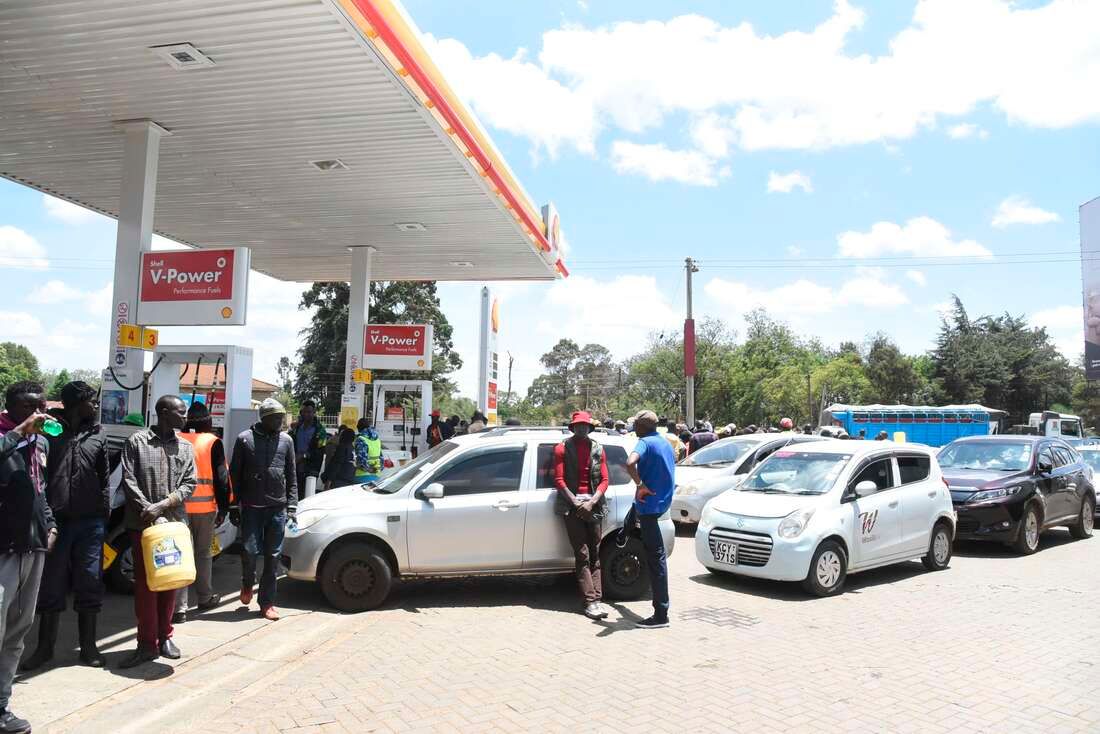
As of May 15, 2025, the pump prices in Nairobi — Kenya’s capital and pricing benchmark — stand at Ksh174.63 per litre for Super Petrol, Ksh164.86 per litre for Diesel, and Ksh148.99 for Kerosene. These prices reflect reductions from the previous period and indicate a possible downward trend. But keep in mind that these prices vary slightly depending on the region, largely due to transportation and logistical costs. Coastal towns like Mombasa usually enjoy slightly cheaper rates because of their proximity to import terminals, whereas landlocked areas often see a markup.
It’s important to note that these prices are not arbitrary. They are calculated using a formula that incorporates international oil prices, the cost of transporting fuel to Kenya, the strength of the Kenyan Shilling, and various government levies. Each component carries its own volatility, which makes predicting future prices a complex affair.
At the heart of this latest dip in prices lies a mix of international and domestic factors. First, the average landed cost of fuel has dropped. This means it’s cheaper to import refined petroleum products into the country. Second, the Kenyan Shilling has shown mild signs of recovery against the dollar, making imports slightly less expensive. Lastly, pressure from the public and transport unions may have influenced policy decisions behind the scenes, pushing EPRA to act.
But while these factors have aligned for now, none of them are guaranteed to hold steady. Global oil markets are notoriously volatile, and with ongoing geopolitical tensions and potential supply disruptions, the situation could easily reverse. Similarly, the Kenyan economy is still navigating inflation, debt repayment obligations, and subsidy pressures — all of which may play into future fuel price decisions.
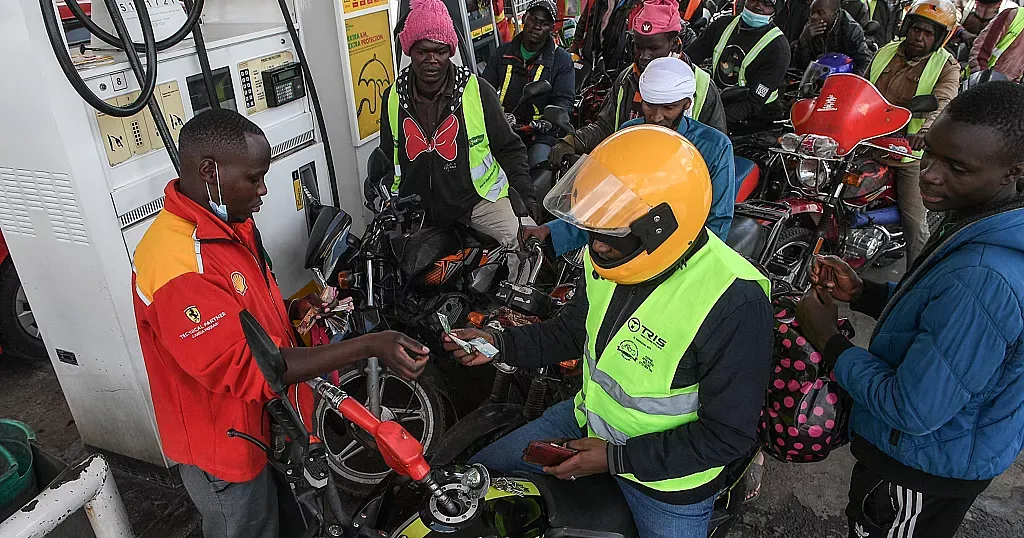
For many Kenyans, a reduction of Ksh1.95 or Ksh2.40 per litre might not sound like much on paper — but in reality, it could mean the difference between affording a week’s commute or not. Lower fuel prices reduce the cost of transporting goods, meaning food prices could ease slightly in the coming weeks. Public transport costs, too, might stabilize or drop, depending on how matatu operators respond.
For businesses that depend heavily on logistics or machinery, the cost reductions could increase profit margins or allow room for investment in growth. Even schools and health facilities that run on diesel generators will benefit. This is not just an economic tweak — it’s a social intervention.
Yet, the optimism is cautious. Many remember how quickly such relief can vanish. If the global oil market surges or if the shilling weakens again, EPRA might have no choice but to raise prices, reigniting inflation concerns.
While the recent drop has sparked hope, it's too early to declare a new era of low fuel prices. Kenya’s fuel market remains tightly bound to international supply chains, volatile oil prices, and currency exchange fluctuations. Unless there's a structural shift — such as new energy subsidies, oil exploration success, or a radical shift to renewables — future EPRA reviews will remain a guessing game.
Still, this moment offers a sliver of optimism. If EPRA continues to prioritize consumer relief while maintaining fiscal responsibility, Kenya could see a more stable fuel pricing environment. But for now, motorists and businesses will gladly take the win — however temporary it may be.






0 comments