
Your Read is on the Way
Every Story Matters
Every Story Matters
The Hydropower Boom in Africa: A Green Energy Revolution Africa is tapping into its immense hydropower potential, ushering in an era of renewable energy. With monumental projects like Ethiopia’s Grand Ethiopian Renaissance Dam (GERD) and the Inga Dams in the Democratic Republic of Congo, the continent is gearing up to address its energy demands sustainably while driving economic growth.
Northern Kenya is a region rich in resources, cultural diversity, and strategic trade potential, yet it remains underutilized in the national development agenda.

Can AI Help cure HIV AIDS in 2025

Why Ruiru is Almost Dominating Thika in 2025

Mathare Exposed! Discover Mathare-Nairobi through an immersive ground and aerial Tour- HD

Bullet Bras Evolution || Where did Bullet Bras go to?
In Kasipul, where red soil clings to foundations like memory clings to grief, a new house is taking shape. This is not just another rural home; it is the posthumous fulfillment of a dream left half-built by Albert Ojwang, a young blogger whose death in police custody sent ripples of shock across the nation.
Ojwang, known for his unfiltered online activism, had been slowly piecing together the beginnings of a modest but dignified residence for his family. He had begun purchasing bricks, planning every corner of a structure meant to offer his aging parents a permanent roof over their heads. But that plan was violently interrupted by his untimely death—an event that remains under scrutiny and has sparked calls for justice from rights groups and the public alike.
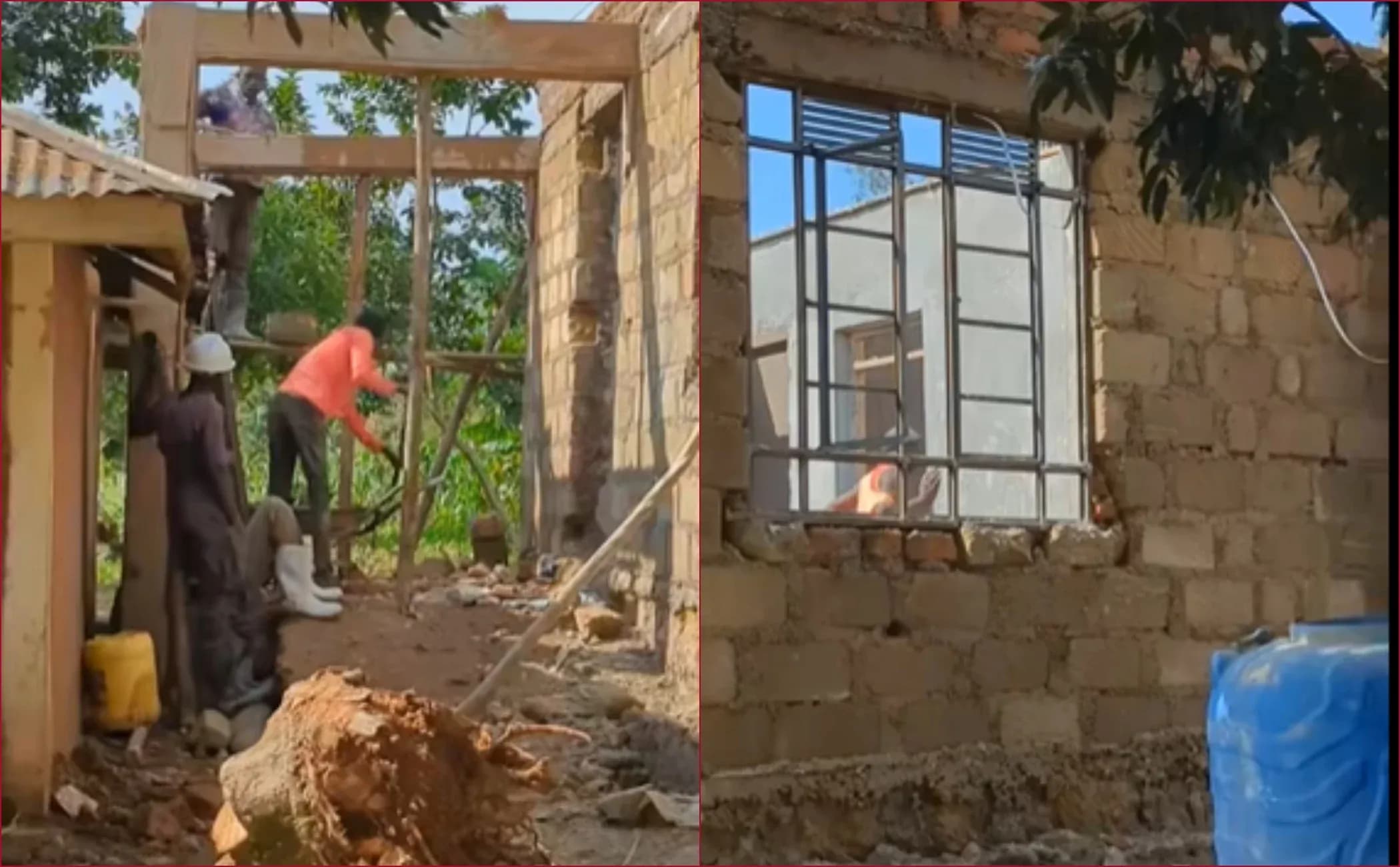
Now, construction has resumed. Videos recently released online show laborers laying rows of concrete, fitting black-grilled windows, and preparing the structure for roofing. The building is compact but strong, a two-bedroom stone-walled home designed for permanence.
It is a gesture that speaks louder than any press release—a sign that Albert's struggle has not been forgotten. The house, funded and facilitated by government officials in his home county, is being built with a sense of urgency and resolve. The videos reveal thick walls, precise finishing, and a quiet commitment to deliver something lasting.
To the family, this home is more than shelter. It is the physical expression of a nation’s mourning—a promise that while Albert Ojwang’s voice was silenced, his aspirations for dignity and stability will not fade into the soil with him.
Relatives, speaking off-camera, noted how the late blogger had hoped to finish the project by the end of the year. Now, builders and engineers are rushing to meet that unspoken deadline, making visible progress that suggests completion is only weeks away.
This construction is being interpreted as more than a compensation. It is symbolic restitution. For a family that lost not just a son, but a provider and advocate, it is also a necessary act of respect.
Public sentiment has largely applauded the effort, though some continue to question whether justice is being delayed under the veil of goodwill. The house, while deeply appreciated, does not replace the accountability demanded by human rights observers and citizens alike.
Still, there is a collective sense that something meaningful is taking place. That where tragedy broke a household, society now extends a hand—late perhaps, but not empty.
Ojwang’s story has become a larger narrative: of youth voice, state power, and the fragile tension between expression and control. In the midst of that tension, this house now rises—not as a political answer, but as a human one.
As the final bricks are laid and roofing sheets fastened, the house is becoming more than a monument. It is a sanctuary for the parents left behind, a structure built with communal resolve and quiet sorrow. And though it cannot restore a life cut short, it may restore something else—dignity, memory, and a small piece of justice.
Because in the end, a home is more than walls. It is history, it is belonging, and for the late Albert Ojwang—it is unfinished work finally brought to life.




0 comments