
Your Read is on the Way
Every Story Matters
Every Story Matters
The Hydropower Boom in Africa: A Green Energy Revolution Africa is tapping into its immense hydropower potential, ushering in an era of renewable energy. With monumental projects like Ethiopia’s Grand Ethiopian Renaissance Dam (GERD) and the Inga Dams in the Democratic Republic of Congo, the continent is gearing up to address its energy demands sustainably while driving economic growth.
Northern Kenya is a region rich in resources, cultural diversity, and strategic trade potential, yet it remains underutilized in the national development agenda.

Can AI Help cure HIV AIDS in 2025

Why Ruiru is Almost Dominating Thika in 2025

Mathare Exposed! Discover Mathare-Nairobi through an immersive ground and aerial Tour- HD

Bullet Bras Evolution || Where did Bullet Bras go to?
Leadership in Kenya has never been just about governing—it’s been about setting the tone for a nation still young, dynamic, and often torn between growth and stagnation. From Jomo Kenyatta’s independence speeches to William Ruto’s hustler mantra, each president has left an indelible stamp on the fabric of the country.
Let’s take a sweeping but sharp look at how each Kenyan president reshaped, reimagined—or in some cases, restrained—the nation’s path.
Jomo Kenyatta, Kenya’s founding president, carried the monumental responsibility of leading a newly independent country out of the shadows of British colonial rule. His emphasis on peace, unity, and "Harambee" (pulling together) helped set a national tone.
But while he promoted land redistribution and Africanization of the economy, his rule also birthed an elite political class. Land inequality and ethnic favoritism began to fester, issues that still haunt Kenya today.
Stepping into Kenyatta’s shoes, Moi presented himself as a humble servant—until power solidified. His presidency, the longest in Kenyan history, was marked by a mixture of political repression and a relatively stable state.
While Moi introduced free primary education and built rural infrastructure, his regime also became infamous for authoritarian control, economic stagnation, and rampant corruption. The one-party rule era under KANU stifled opposition voices for decades.
When Mwai Kibaki took over in 2002, hope was rekindled. He was Kenya’s first opposition-backed president, and he wasted no time pushing economic reforms. Under Kibaki, Kenya witnessed a rebirth—road networks expanded, digital growth accelerated, and the economy soared.
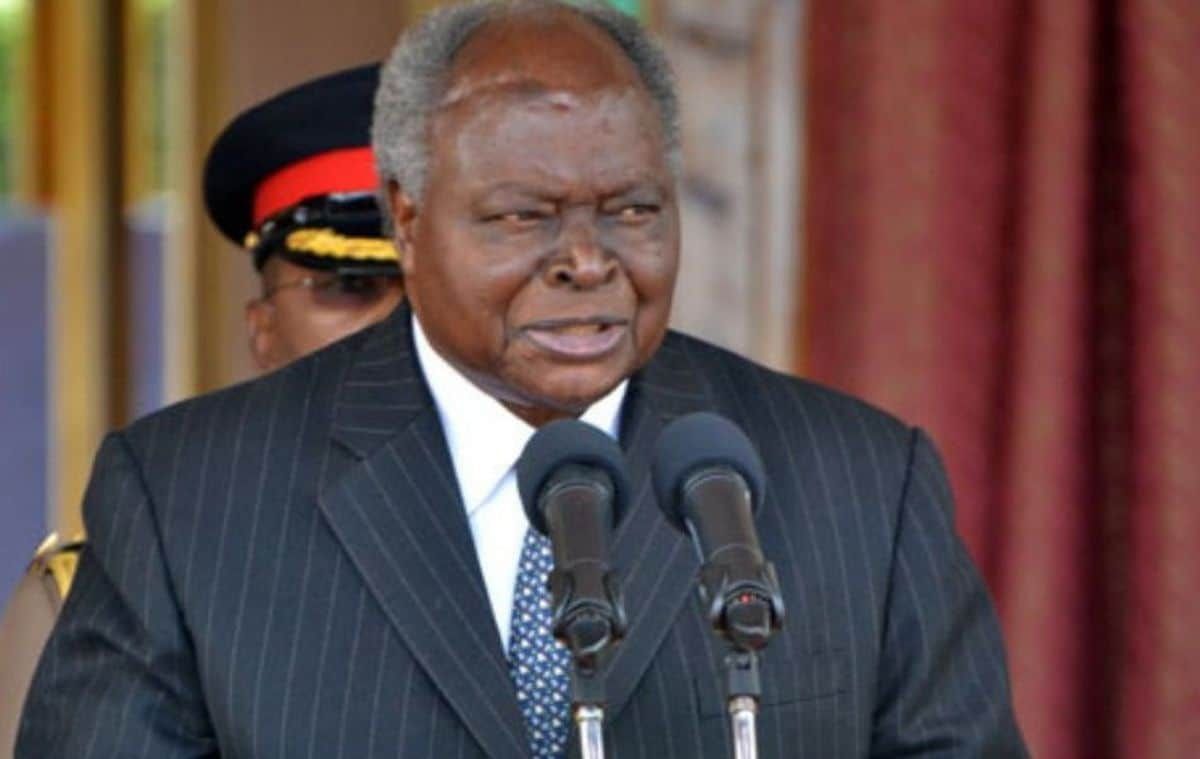
But his presidency wasn’t without crisis. The 2007 post-election violence remains one of the darkest chapters in the nation’s history. Still, Kibaki is often remembered as the father of modern infrastructure and a firm believer in institutional independence.
Son of the founding father, Uhuru came to power with promises of youth empowerment, digitization, and unity. His legacy is visibly marked by massive infrastructure projects—Standard Gauge Railway (SGR), expressways, and energy investments.
However, these came with ballooning debt, deepening public suspicion over corruption, and widening class disparities. While he promoted peace in his second term via the "Handshake" with opposition leader Raila Odinga, many questioned his commitment to accountability.
Ruto rose on the back of the "Hustler Nation"—a bottom-up economic slogan that won over youth and informal workers. He styled himself as a rebel-turned-president, vowing to dismantle dynastic politics.
His time in office, however, has been rocked by economic strain, tax protests, and allegations of hypocrisy—talking austerity while expanding government spending. His ability to genuinely uplift the struggling majority remains under sharp scrutiny.
Kenya's presidency has always carried more than just executive power—it shapes national identity, influences daily life, and steers the country’s narrative both at home and abroad. Each president has battled their demons, faced public skepticism, and tried, in their own way, to etch their legacy into Kenya’s history.
The question isn’t whether they left a mark—but what kind of mark, and at what cost.
As the country evolves, Kenyans are becoming more vocal, informed, and restless. Future presidents will not just inherit power—they’ll inherit expectation, history, and a deeply engaged electorate that’s tired of promises and hungry for results.






0 comments