
Your Read is on the Way
Every Story Matters
Every Story Matters
The Hydropower Boom in Africa: A Green Energy Revolution Africa is tapping into its immense hydropower potential, ushering in an era of renewable energy. With monumental projects like Ethiopia’s Grand Ethiopian Renaissance Dam (GERD) and the Inga Dams in the Democratic Republic of Congo, the continent is gearing up to address its energy demands sustainably while driving economic growth.
Northern Kenya is a region rich in resources, cultural diversity, and strategic trade potential, yet it remains underutilized in the national development agenda.

Can AI Help cure HIV AIDS in 2025

Why Ruiru is Almost Dominating Thika in 2025

Mathare Exposed! Discover Mathare-Nairobi through an immersive ground and aerial Tour- HD

Bullet Bras Evolution || Where did Bullet Bras go to?
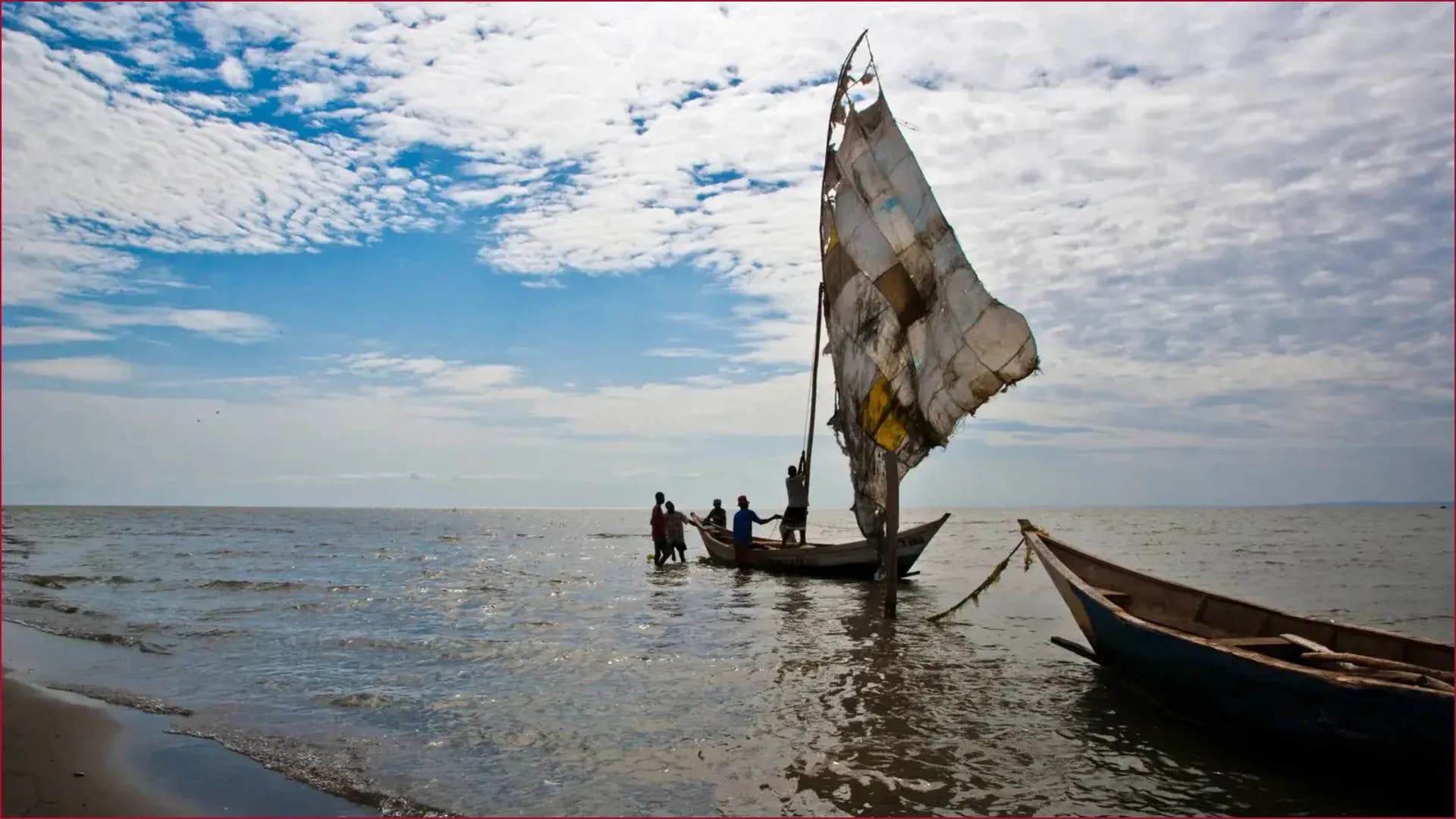
Illegal fishing in Lake Nakuru has become a significant environmental and public health concern. Despite ongoing government warnings and enforcement efforts, unauthorized fishing activities have escalated, threatening the lake’s ecosystem and local communities.
Fish caught from Lake Nakuru have been found to contain dangerously high levels of toxic metals such as arsenic, cadmium, chromium, lead, mercury, and others. These contaminants render the fish unsafe for human consumption. Nonetheless, illegal fishing continues, and contaminated fish are sold in local markets, posing serious health risks to consumers.
The rise of illegal fishing activities began around 2020, following an increase in the lake’s water levels which submerged surrounding farmlands and created new fishing areas. Fishermen, including those from neighboring regions, have established numerous unauthorized fishing operations on the lake. This is particularly concerning as Lake Nakuru is not officially designated for commercial fishing under national fisheries regulations.
Kenyan authorities, including wildlife and fisheries agencies, have conducted multiple crackdowns on illegal fishing. Operations have led to arrests, destruction of fishing gear, and seizure of illegally caught fish. However, enforcement remains difficult due to the large area to monitor and tactics employed by illegal fishermen to evade detection.
Illegal fishing has increased human-wildlife conflicts, including attacks by hippos on fishermen and visitors. Additionally, the practice threatens the biodiversity within Lake Nakuru National Park, which is home to endangered species such as black and white rhinos and various rare bird populations.
Government officials have warned against illegal fishing and highlighted the health dangers associated with consuming contaminated fish from the lake. Efforts to combat the problem include public awareness campaigns, increased patrols, arrests, and the use of technology to monitor activities on the lake.
Despite these measures, illegal fishing persists, underscoring the urgent need for stronger enforcement, community engagement, and environmental protection strategies to safeguard Lake Nakuru’s ecosystem and public health.





0 comments