
Your Read is on the Way
Every Story Matters
Every Story Matters
The Hydropower Boom in Africa: A Green Energy Revolution Africa is tapping into its immense hydropower potential, ushering in an era of renewable energy. With monumental projects like Ethiopia’s Grand Ethiopian Renaissance Dam (GERD) and the Inga Dams in the Democratic Republic of Congo, the continent is gearing up to address its energy demands sustainably while driving economic growth.
Northern Kenya is a region rich in resources, cultural diversity, and strategic trade potential, yet it remains underutilized in the national development agenda.
Can AI Help cure HIV AIDS in 2025

Why Ruiru is Almost Dominating Thika in 2025

Mathare Exposed! Discover Mathare-Nairobi through an immersive ground and aerial Tour- HD

Bullet Bras Evolution || Where did Bullet Bras go to?
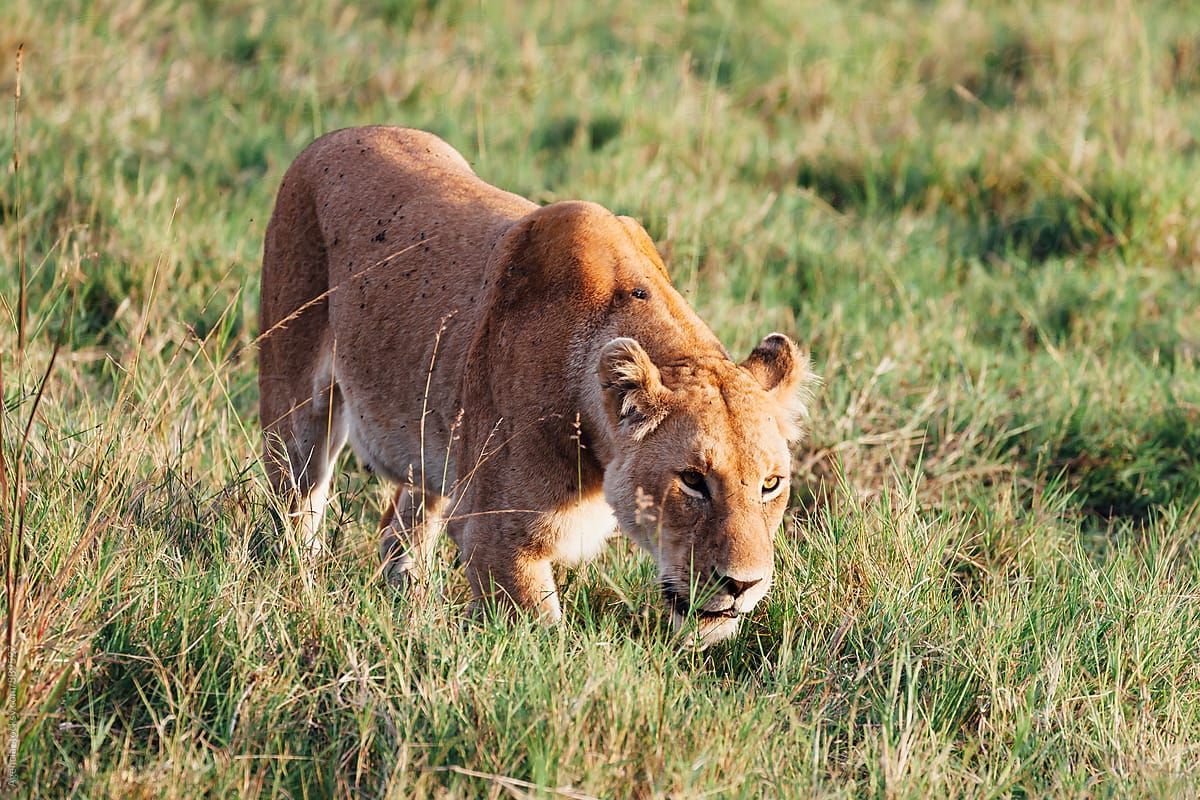
On the evening of April 19, 2025, a 14-year-old girl named Peace Mwende became the victim of a tragic and shocking attack just outside Nairobi’s National Park. As the sun set and the cool evening air settled over the village of Emakoko, Peace and her siblings were going about their daily routine when the unthinkable occurred. A lioness, which had likely wandered down from the park, jumped over the fence that bordered their home and attacked the young girl. Despite her father’s desperate attempt to rescue her, Peace was dragged away and, tragically, her life was taken. Her body was later discovered near the Mbagathi River, a grim reminder of how fragile the line between human settlements and wildlife habitats has become in this region.
This heart-wrenching incident isn’t isolated. Nairobi National Park, known for its unique location on the edge of a bustling city, is a place where wildlife and human life are in constant proximity. The park’s southern boundary is left unfenced to allow animals to migrate freely, but this opens the door for wildlife to venture into residential areas. The lioness’s intrusion into a home, once an unimaginable event, is becoming more frequent as animals search for food or a safe haven, often straying beyond their protected environment. These encounters are raising alarms in the community about the growing risks of living on the fringes of such a unique park.
While incidents like these are rare, they highlight the urgent need for improved infrastructure to safeguard both humans and animals. The ongoing human-wildlife conflict is not a new issue, but as cities like Nairobi expand, these encounters are becoming more frequent, presenting a real challenge for both conservation efforts and community safety.
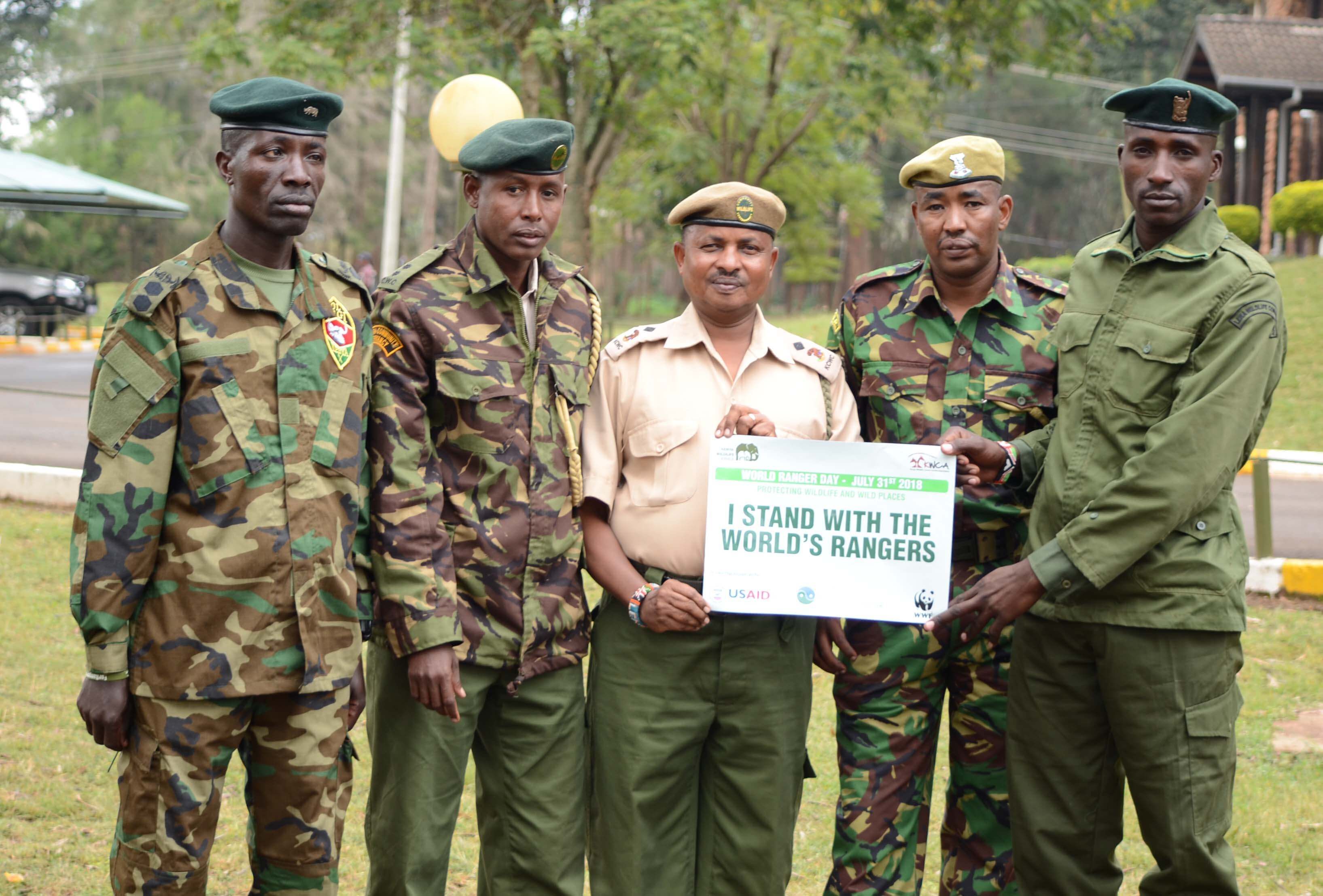
In the wake of Peace Mwende’s tragic death, Kenya’s Wildlife Service (KWS) launched an intensive search for the lioness, utilizing traps and deploying rangers to track down the animal. While the hunt for the lioness continues, KWS has reassured the public that such attacks are rare and that lion-related incidents account for a very small percentage of human-wildlife conflicts. However, the authorities are acutely aware of the growing concerns in the local communities and the pressing need to address the safety of people living near wildlife zones.
Meanwhile, local residents are calling for stronger safety measures to prevent future tragedies. Suggestions have included the installation of electric fences along high-risk areas, better lighting systems to deter wildlife from entering populated zones, and more community-based warning systems to alert residents when animals are near. The community’s response reflects a deep sense of vulnerability and a plea for action to prevent further loss.
Peace’s death is part of a larger and troubling pattern of human-wildlife conflicts that have been escalating in Kenya. Just a day before the lion attack, a 54-year-old man was killed by an elephant in Nyeri County. While incidents involving large animals like lions and elephants are not frequent, the growing urban sprawl and reduced wildlife habitats are increasingly pushing animals into human spaces. The shrinking buffer zones between cities and national parks are becoming battlegrounds, where the clash of human development and the natural world often leads to tragic consequences.
The tragic loss of a young life has shone a harsh light on the delicate balance between conservation and community safety. Experts argue that it’s time for a more comprehensive and sustainable approach to managing wildlife populations near urban areas. Enhanced fencing, better community awareness programs, and wildlife corridors are part of the proposed solutions to mitigate these dangerous encounters.
Conservationists and government agencies are beginning to understand that protecting wildlife must go hand in hand with protecting human lives. It’s not enough to safeguard the animals; the people who live alongside them must also be considered in the equation. Moving forward, the focus must be on creating a harmonious coexistence where both human and wildlife safety are prioritized. This may involve smarter urban planning, more collaboration with local communities, and a greater investment in preventive measures to ensure that tragedies like the one experienced by Peace Mwende do not become all too common.





0 comments