
Your Read is on the Way
Every Story Matters
Every Story Matters
The Hydropower Boom in Africa: A Green Energy Revolution Africa is tapping into its immense hydropower potential, ushering in an era of renewable energy. With monumental projects like Ethiopia’s Grand Ethiopian Renaissance Dam (GERD) and the Inga Dams in the Democratic Republic of Congo, the continent is gearing up to address its energy demands sustainably while driving economic growth.
Northern Kenya is a region rich in resources, cultural diversity, and strategic trade potential, yet it remains underutilized in the national development agenda.

Can AI Help cure HIV AIDS in 2025

Why Ruiru is Almost Dominating Thika in 2025

Mathare Exposed! Discover Mathare-Nairobi through an immersive ground and aerial Tour- HD

Bullet Bras Evolution || Where did Bullet Bras go to?
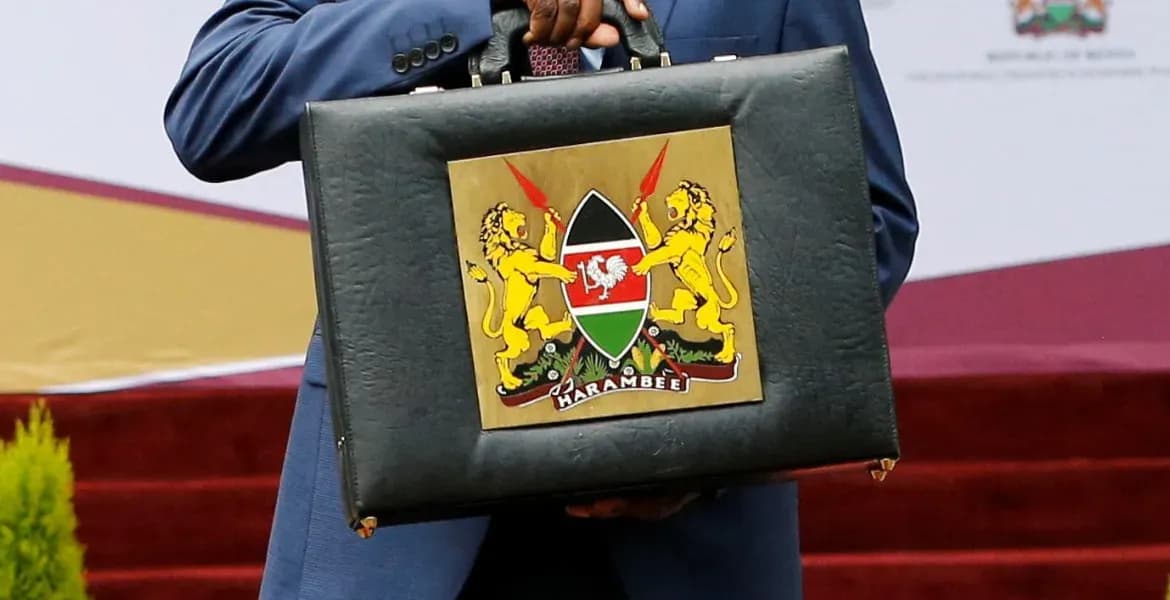
In a significant move marking the start of Kenya’s fiscal transformation, President William Ruto has officially signed the Finance Act 2025 into law, alongside the Appropriation Bill 2025. This legislative double act clears the path for the National Treasury to withdraw Ksh.1.88 trillion from the Consolidated Fund, setting the financial tone for the 2025/26 budget cycle.
The Finance Act forms the backbone of the country’s revenue-raising and expenditure strategy, containing sweeping amendments across six major tax laws. It outlines not only how the government will tax but also how it intends to spend — in a climate marked by inflationary pressures, rising debt obligations, and demands for inclusive growth.
Unlike previous years where tax legislation seemed detached from the realities of everyday Kenyans, this year’s Finance Act attempts to soften the blow in targeted areas. One of the standout reforms is a new mandatory rule requiring employers to automatically apply all applicable tax reliefs and deductions to employee payslips. This aims to eliminate bureaucratic hurdles that have long burdened salaried workers, effectively easing their monthly tax load.
Another win for the public came with the expansion of mortgage relief. Whether a Kenyan opts to build, buy, or finance a home through a SACCO or private loan, they now qualify for tax breaks — a move expected to stimulate housing ownership in an economy where real estate remains out of reach for many.
Crucially, the government dropped a proposal to restructure the PAYE tax bands. The suggested expansion — to new rates of 10%, 17.5%, 25%, 27.5%, and 30% — was abandoned after pushback from workers and economists alike. The Finance Committee maintained the existing tax brackets in a show of sensitivity toward low and middle-income earners already grappling with reduced purchasing power.
Other retained benefits include full tax exemptions on all pension payments, whether disbursed as lump sums or periodic installments. These exemptions signal a more pensioner-friendly environment and align with Kenya’s aging workforce reality.
To shield local industries from the cost pressures of increased taxation, the Act preserved the Ksh.500 excise duty per litre for licensed ENA (Extra Neutral Alcohol) users in the spirits sector. Additionally, zero-rated status was kept for essential locally assembled goods, including electric bicycles, phones, motorcycles, buses, solar and lithium-ion batteries, and animal feed raw materials.
This was not just economic logic — it was a political message: local industries matter. By rejecting Treasury’s proposal to reclassify these as tax-exempt (which would increase production costs by removing the right to reclaim VAT), Parliament preserved incentives that have fueled Kenya’s fledgling industrial revolution.
Perhaps the most contentious of all proposed amendments was a push by the Treasury to grant the Kenya Revenue Authority sweeping powers to access personal data, including private trade secrets and consumer information. The Finance Committee outright rejected this, citing constitutional breaches and conflict with Kenya’s Data Protection Act.
The public had spoken through nationwide forums — and this time, lawmakers listened. The rejection underscored the limits of state power in the digital age and signaled a stronger future role for data rights in tax administration debates.
Proposals to remove corporate tax breaks for vehicle assemblers and housing developers — including those constructing 100 or more units — were also defeated. The committee defended these incentives as essential tools for reducing the housing deficit and boosting local production. It was a nod to the government’s Big Four Agenda, still alive beneath shifting fiscal priorities.
What truly set this finance cycle apart was how much of it was shaped by ordinary Kenyans. Public forums, civil society submissions, and stakeholder feedback directly informed the final amendments. From safeguarding tax reliefs to blocking data overreach, the final version of the Finance Act 2025 bears the imprint of public consciousness more than ever before.
As Kenya steps into the new fiscal year, the Finance Act 2025 stands as both a revenue instrument and a barometer of political responsiveness. It aims to extract funds without extracting too much faith from the people — a delicate balance in a nation walking a tightrope between fiscal reform and economic justice.





0 comments