
Your Read is on the Way
Every Story Matters
Every Story Matters
The Hydropower Boom in Africa: A Green Energy Revolution Africa is tapping into its immense hydropower potential, ushering in an era of renewable energy. With monumental projects like Ethiopia’s Grand Ethiopian Renaissance Dam (GERD) and the Inga Dams in the Democratic Republic of Congo, the continent is gearing up to address its energy demands sustainably while driving economic growth.
Northern Kenya is a region rich in resources, cultural diversity, and strategic trade potential, yet it remains underutilized in the national development agenda.

Can AI Help cure HIV AIDS in 2025

Why Ruiru is Almost Dominating Thika in 2025

Mathare Exposed! Discover Mathare-Nairobi through an immersive ground and aerial Tour- HD

Bullet Bras Evolution || Where did Bullet Bras go to?
In the coastal heartlands of Kenya's Kwale County, something extraordinary is flowing beneath the surface—an unexpected convergence of technology, community, and a thirst for change. But this time, the source isn’t government-driven. It’s not politics, not policy. It’s the young minds of Kwale, turning desperation into innovation through a radical cooperative approach that’s changing the game on rural water access.
Welcome to MajiVerse, a grassroots tech co-op founded by a collective of local youth, engineers, and digital freelancers who’ve decided to tackle one of the region’s most pressing issues—water scarcity—by fusing artificial intelligence, solar technology, and indigenous knowledge systems.
The idea was born during a community hackathon in early 2023 when a group of university dropouts and technical institute graduates, tired of endless NGO pilot projects and broken promises, pooled their skills to craft a solution tailored to their people. What began as a solar-powered borehole experiment in Kinango evolved into a cloud-based monitoring system that predicts maintenance needs, optimizes water pressure, and adjusts solar usage based on weather forecasts.
The system, now deployed in 12 villages, includes solar borehole pumps, water purification modules, and an open-access dashboard that allows locals to track water levels in real-time—using just a basic smartphone. Villagers even receive mobile alerts when the water tanks hit refill thresholds.
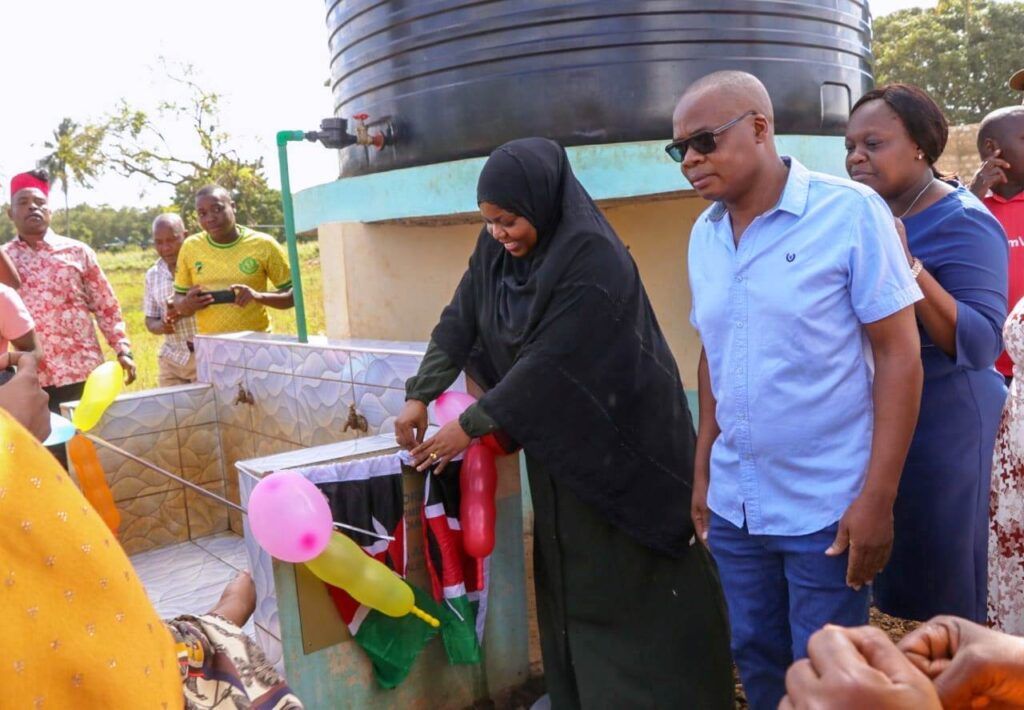
What truly sets MajiVerse apart is the cooperative ownership model. Each village that hosts a unit is a shareholder, with decisions made via digital voting on a blockchain ledger built by the youth team themselves. The model bypasses traditional government inefficiencies and promotes direct accountability.
Villagers pay a small token fee via M-Pesa that goes straight into a maintenance fund managed collectively. The tech team holds regular training camps in schools to build local capacity in both tech literacy and hardware maintenance, ensuring the system’s sustainability far beyond its founders’ reach.
The impact has rippled beyond water. Girls now spend more time in school, freed from dawn-to-dusk treks to distant rivers. Farmers are experimenting with climate-smart drip irrigation for kitchen gardens. Health clinics in underserved areas now have running water for the first time ever.
More than just drinking water, the project has improved dignity, hygiene, and productivity—transforming livelihoods at the most granular levels.
One resident of Dzombo put it bluntly: “We didn’t get aid, we got control. We finally own our water.”
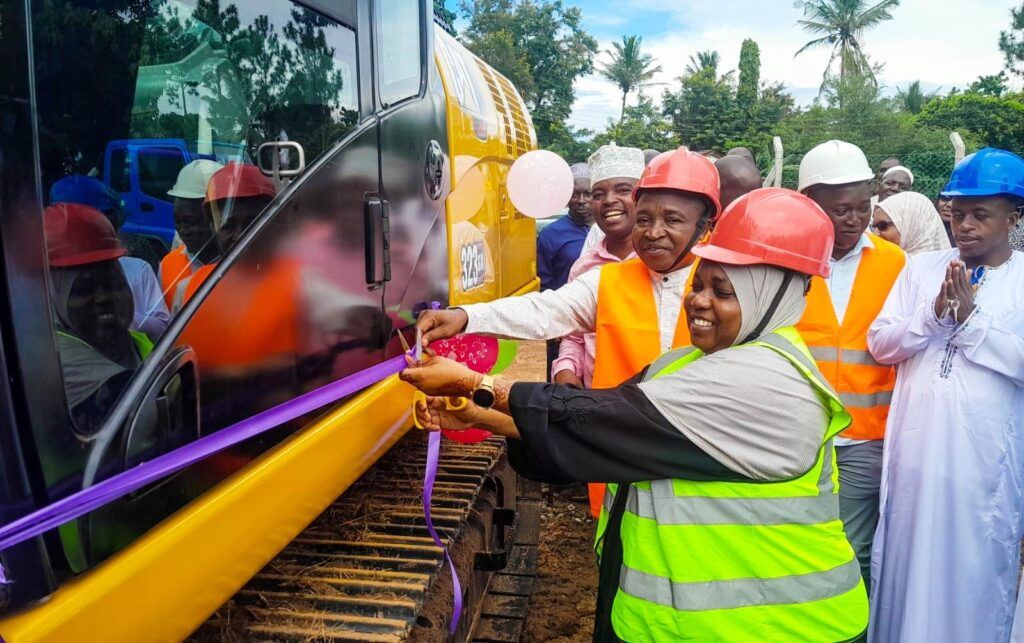
This radical reimagining of water access has caught the attention of development partners and even sparked tensions with county officials, who see the project as undermining traditional power channels. But for MajiVerse, that’s precisely the point—tech that empowers, not depends.
They’ve refused direct government funding, wary of bureaucratic delays and political strings. Instead, they’ve partnered with ethical tech investors from Nairobi and a diaspora-based Kenyan engineers' network who believe in bottom-up innovation.
With their current success, MajiVerse is now piloting AI-driven irrigation forecasting tools to further bolster food security. Plans are underway to replicate the model in neighboring Taita Taveta and Kilifi counties, with local youth there undergoing intensive mentorship from the original Kwale team.
If successful, this could signal a turning point in how African rural communities solve deeply entrenched development challenges—from the ground up and powered by their own.
In an era where buzzwords like “empowerment” and “sustainability” are often empty promises, Kwale’s tech-savvy youth are walking the talk. MajiVerse isn't just about water—it’s about rewriting the rules of development, proving that the solution doesn’t have to trickle down. Sometimes, it can rise from the dry earth, solar-powered and youth-fueled.






0 comments