
Your Read is on the Way
Every Story Matters
Every Story Matters
The Hydropower Boom in Africa: A Green Energy Revolution Africa is tapping into its immense hydropower potential, ushering in an era of renewable energy. With monumental projects like Ethiopia’s Grand Ethiopian Renaissance Dam (GERD) and the Inga Dams in the Democratic Republic of Congo, the continent is gearing up to address its energy demands sustainably while driving economic growth.
Northern Kenya is a region rich in resources, cultural diversity, and strategic trade potential, yet it remains underutilized in the national development agenda.

Can AI Help cure HIV AIDS in 2025

Why Ruiru is Almost Dominating Thika in 2025

Mathare Exposed! Discover Mathare-Nairobi through an immersive ground and aerial Tour- HD

Bullet Bras Evolution || Where did Bullet Bras go to?
Kenya is currently facing an alarming increase in femicide, with nearly 100 women murdered between August and November 2024 alone. These tragic deaths, often at the hands of intimate partners, have shed light on the deep-seated gender-based violence (GBV) problem that has plagued the country for years. The gruesome nature of these murders, some involving public attacks, dismemberment, and other acts of extreme brutality, has sent shockwaves across the nation.
In response, protests have erupted in major cities, with women taking to the streets demanding justice and protection. Hashtags like #StopFemicideKE and #HerLifeMatters have flooded social media, amplifying calls for action. However, while women have long been the primary voices against gender violence, a new and significant shift is happening—Kenyan men are stepping up to join the fight against femicide.
For decades, discussions around femicide and GBV have been predominantly led by women, often met with indifference or outright hostility from sections of society. Many men have traditionally viewed gender violence as a "women’s issue" rather than a societal crisis that affects everyone. This passive stance has allowed a culture of silence and impunity to thrive, leaving women to bear the burden of fighting for their safety. However, a growing number of Kenyan men are beginning to challenge this narrative by taking an active role in dismantling harmful gender norms.
Influential male voices, community leaders, and grassroots activists are now acknowledging their responsibility in fostering change. More men are speaking out against femicide, educating their peers, and participating in movements aimed at promoting gender equality. This shift is crucial because men, as fathers, brothers, partners, and community members, play a key role in influencing the behaviors and attitudes that either perpetuate or prevent violence against women.
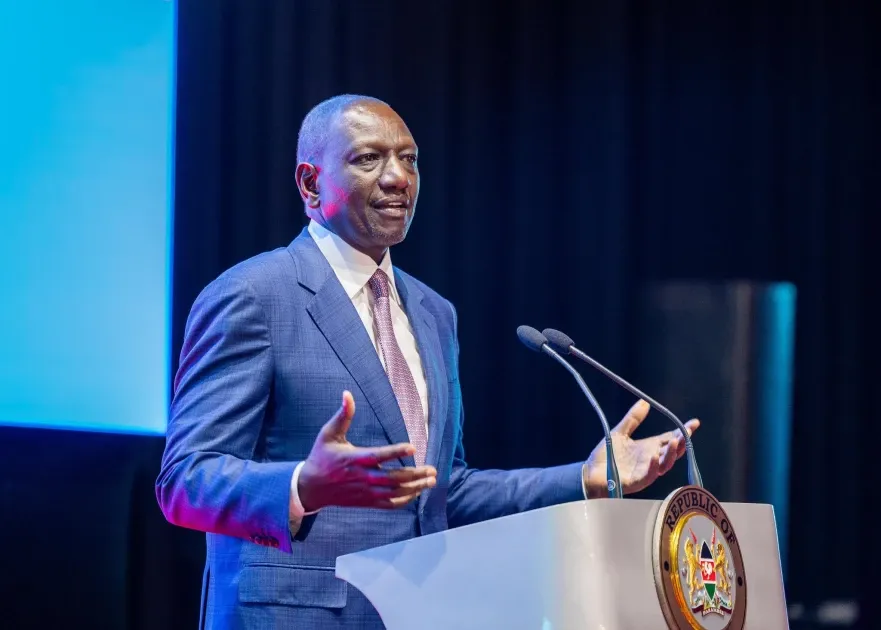
Recognizing the urgency of the femicide crisis, the Kenyan government has taken steps to address the issue at a national level. President William Ruto recently announced a Ksh100 million investment in the "Safe Homes, Safe Spaces" initiative, a program designed to provide shelter, legal aid, and psychological support to survivors of GBV.
This funding marks a significant step toward protecting women and ensuring that they have access to the resources needed to escape dangerous situations. However, while government interventions are essential, real change also requires transformation at the grassroots level. Various initiatives are emerging across the country, driven by activists, religious leaders, and community-based organizations dedicated to shifting harmful attitudes and preventing violence.
One of the key initiatives gaining traction is the National Young Male Dialogue Forum, a platform that brings together men from different backgrounds—students, professionals, religious leaders, and community members—to engage in open discussions about their role in ending GBV. These forums encourage men to reflect on how societal expectations of masculinity contribute to violence and how they can become active agents of change. By confronting topics like toxic masculinity, emotional suppression, and the normalization of violence, these discussions aim to reshape traditional notions of what it means to be a man. Through mentorship programs and personal testimonies, many young men are learning that strength is not defined by dominance but by respect, empathy, and the ability to protect and uplift others.
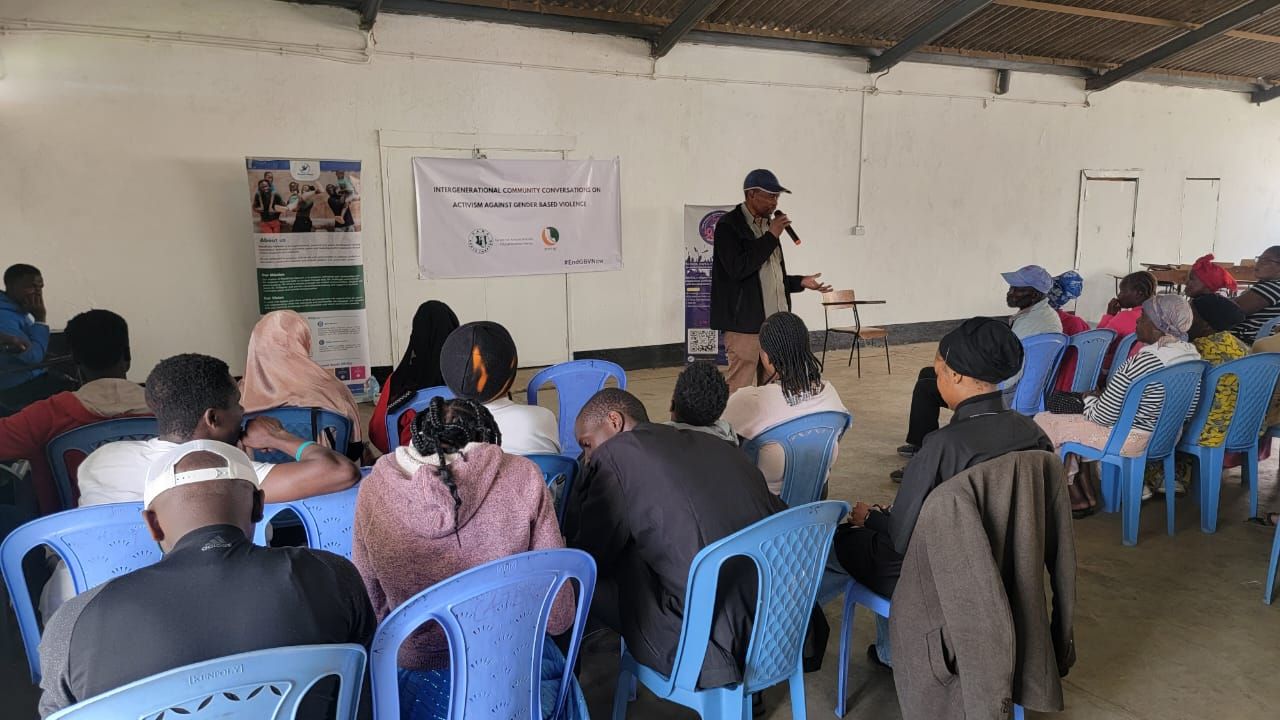
In addition to community dialogue, Kenyan social media influencers, celebrities, and media personalities are using their platforms to challenge harmful gender norms. Over the past year, several high-profile Kenyan men have spoken out against femicide, sparking important online conversations. Viral videos and trending hashtags have pushed more men to confront the reality of gender violence and the ways in which they may have unknowingly contributed to the problem.
Influencers have also started digital campaigns that encourage men to take a stand by calling out abusive behavior among their peers, offering support to survivors, and committing to non-violence in their relationships. This digital activism has played a crucial role in shifting public perception and ensuring that conversations about femicide extend beyond formal conferences into everyday interactions.
Beyond online activism, on-the-ground efforts are gaining momentum. Recently, Kenya held its first-ever Men’s Conference on Femicide and GBV, an event dedicated to addressing the role men play in both perpetuating and preventing gender-based violence. The conference featured powerful testimonies from survivors, expert discussions on masculinity and violence, and strategies for mobilizing men to become allies in the fight against femicide.
Religious institutions and community organizations have also joined the cause, organizing educational workshops that teach conflict resolution, healthy relationships, and the importance of consent. These movements emphasize that men must not only reject violence but also actively intervene when they witness abusive behavior, whether in their families, workplaces, or communities.

At the heart of these interventions is the effort to redefine masculinity in a way that promotes safety, respect, and equality. Many Kenyan men grow up in environments where aggression, emotional suppression, and control over women are seen as markers of masculinity. These deeply ingrained cultural norms contribute to violence by fostering entitlement and justifying harmful behaviors. To address this, various programs are working to reshape the way men understand their roles in relationships and society.
Educational campaigns are being introduced in schools, universities, and workplaces to challenge harmful gender stereotypes and instill positive values in young men. These programs emphasize that masculinity is not about domination but about emotional intelligence, responsibility, and mutual respect. By reaching boys at a young age, these initiatives aim to create a new generation of men who reject violence and view women as equal partners rather than subordinates.
In addition to community-based efforts, large-scale awareness campaigns are being rolled out across Kenya to ensure that the fight against femicide becomes a national priority. Government agencies, non-governmental organizations (NGOs), and media outlets are using television, radio, and social media to spread messages that challenge victim-blaming, promote gender equality, and encourage men to take accountability.
Billboards and public service announcements featuring influential male role models are being used to reinforce the idea that real men protect, support, and respect women. Some of these campaigns also include training programs for law enforcement officers and judicial officials to ensure that cases of femicide and GBV are handled with the urgency and seriousness they deserve.
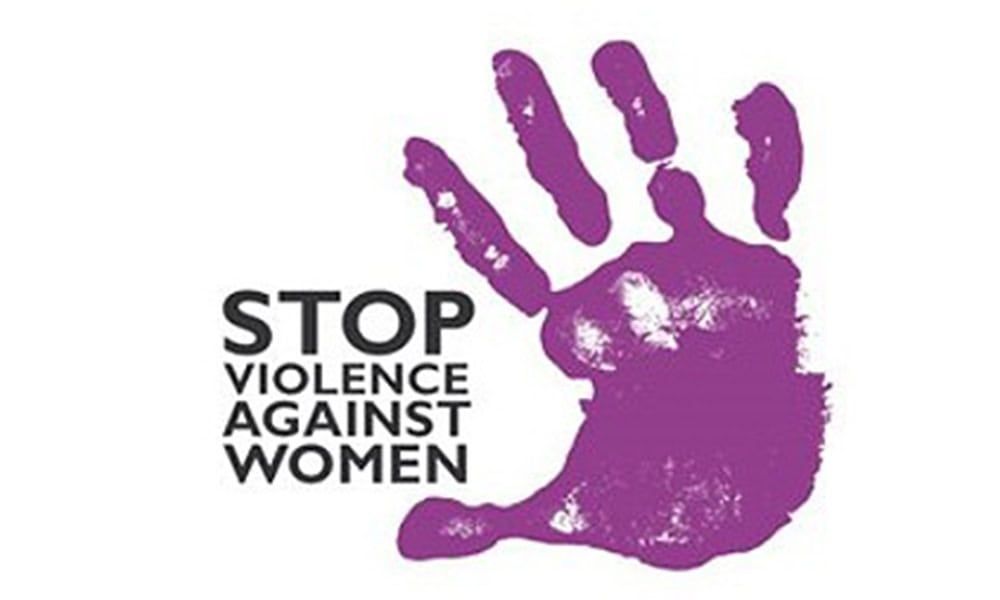
While the growing involvement of men in the fight against femicide is a promising development, there is still a long way to go before Kenya can eradicate gender-based violence. A cultural shift of this magnitude takes time, and deeply ingrained beliefs cannot be changed overnight. However, the momentum that has been built through grassroots initiatives, national policies, and male-led advocacy efforts signals that progress is being made.
Moving forward, it is essential that these conversations continue, and that more men take responsibility for addressing the behaviors and attitudes that perpetuate violence. Educational programs must be expanded, legal protections for women must be strengthened, and perpetrators must face real consequences. Additionally, men must continue holding each other accountable—challenging sexist jokes, calling out abusive behavior, and modeling respect in their own relationships.
Kenya has reached a turning point where men are no longer just bystanders in the fight against femicide; they are becoming allies, advocates, and active participants in building a safer society. If this momentum is sustained, the country can move toward a future where femicide is not just condemned, but prevented altogether.





0 comments