
Your Read is on the Way
Every Story Matters
Every Story Matters
The Hydropower Boom in Africa: A Green Energy Revolution Africa is tapping into its immense hydropower potential, ushering in an era of renewable energy. With monumental projects like Ethiopia’s Grand Ethiopian Renaissance Dam (GERD) and the Inga Dams in the Democratic Republic of Congo, the continent is gearing up to address its energy demands sustainably while driving economic growth.
Northern Kenya is a region rich in resources, cultural diversity, and strategic trade potential, yet it remains underutilized in the national development agenda.

Can AI Help cure HIV AIDS in 2025

Why Ruiru is Almost Dominating Thika in 2025

Mathare Exposed! Discover Mathare-Nairobi through an immersive ground and aerial Tour- HD

Bullet Bras Evolution || Where did Bullet Bras go to?
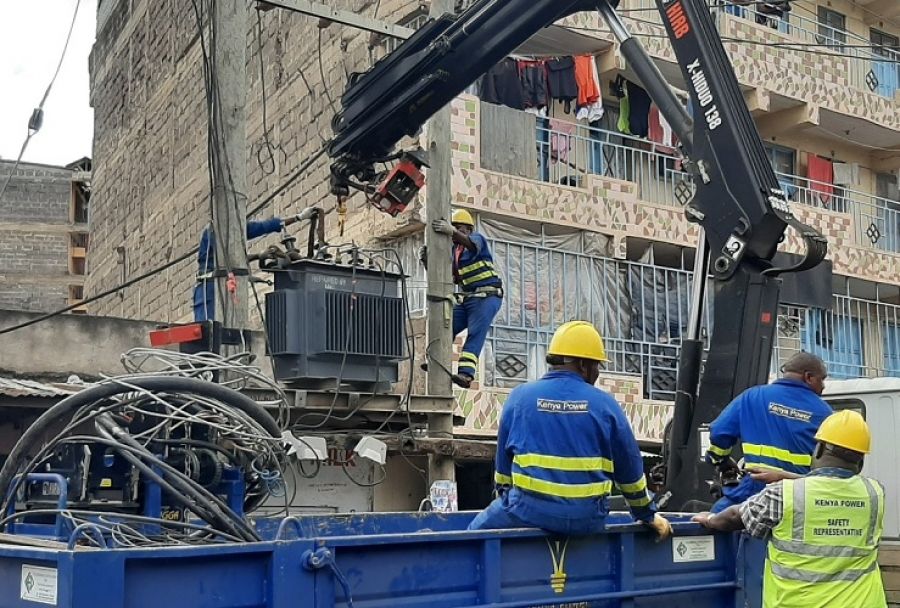
How does a nation leap toward universal electricity access in a single strategic move? Kenya Power's new KSh 54 billion electrification rollout aims to answer that — by connecting over half a million homes across Kenya, many of which have remained in darkness for years. This project, one of the largest under the Last Mile Connectivity Programme (LMCP), is set to spark an economic and social shift, empowering families and entire villages with reliable power.
This is not just about lighting up homes — it's about unlocking potential, reducing inequality, and improving livelihoods. And if you're one of the thousands waiting to get connected, here’s everything you need to know — from who qualifies to how to apply and when to expect your connection.
This project is tailored for households in low-income, underserved, and rural areas — especially those that sit within 600 meters of an existing power transformer. These homes have been mapped out as "ready to connect" under the new phase of the Last Mile rollout. If you’ve got the right documents and wiring done, you're likely in the fast lane.
To be eligible, you must:
Live within 600 meters of an existing transformer.
Own or lease the house you want connected.
Have internal wiring certified by a licensed electrician.
Provide the necessary identification and property documents.
The focus here is on fairness and need — Kenya Power wants to avoid the past delays and confusion and make sure this rollout gets electricity to the people who’ve waited longest.
The budget will cover much more than just cables and poles. The KSh 54 billion includes:
Extending low-voltage distribution lines into deep rural areas.
Installing new transformers where none exist.
Meter installations for over 500,000 homes.
Technical surveys, connection logistics, and customer service operations.
This is not a pilot — it’s a full-scale power blitz. And unlike in the past, Kenya Power has pledged tighter timelines and fewer bureaucratic roadblocks. The funds will also support deferred payment options, helping those who can't afford upfront connection fees.
Make sure you’re within 600 meters of a power transformer. If you're unsure, you can consult with your local Kenya Power office or ward administrator. Communities have already been mapped, but if you suspect your home was skipped, visit the nearest Kenya Power branch.
You’ll need to fill out a connection request form. This form asks for:
Your full name and ID details.
Precise location of your house.
Contact information.
Land or tenancy documentation.
Forms can be picked up from Kenya Power offices or downloaded online. Be precise — any mismatch between your location and the transformer data could slow down the process.
Ensure you have:
A copy of your national ID or passport.
A title deed, allotment letter, or signed tenancy agreement.
A wiring certificate from a licensed electrician.
This wiring certificate is crucial. Without it, your application won’t proceed, regardless of your location.
Once your application is submitted, a Kenya Power team will come to your home to:
Assess its proximity to the transformer.
Evaluate the condition of your wiring.
Determine if the standard fee applies or if more infrastructure is needed.
If your home qualifies under the 600-meter rule, you’ll be offered a subsidized connection fee — typically KSh 15,000. If you can’t pay it all at once, you can opt into the deferred payment plan.
For more complex connections (e.g., where transformer upgrades are needed), Kenya Power will provide a custom quote.
Kenya Power understands that not every household can pay KSh 15,000 in one go. That’s why they’ve introduced a flexible installment plan:
Pay 60% upfront.
Clear the remaining 40% over several months.
Interest rate: 15% annually.
Eligibility includes a soft credit assessment by Kenya Power.
To apply:
Submit your application alongside a deferred payment request form.
Attach all required documents.
Await confirmation and contract terms.
Once approved, your home will be queued for connection under the same timelines as full-paying applicants.
Kenya Power has outlined the following estimated timeframes:
Meter-Only Connection (no line work): Within 7 working days.
Low Voltage Extension (line work required): Up to 28 working days.
High Voltage or Transformer Work: 30–60 working days, depending on materials and approvals.
Note: These timelines depend on your readiness, wiring, payment status, and site accessibility. Regular follow-up is advised.
Once you’re connected:
A prepaid meter will be installed at your home.
You’ll receive a customer number and can start buying electricity tokens.
You’ll also receive basic power safety education.
Maintenance support will be accessible via customer care or local technicians.
Kenya Power encourages households to report issues immediately — especially over-voltage or faulty meters. Shared transformers (serving 4–6 homes) will be managed under cluster maintenance plans.
Electricity is not a luxury — it’s a catalyst. This project will do more than light homes; it will:
Allow children to study after dark.
Empower women to run home businesses.
Enable refrigeration, phone charging, and online learning.
Support small-scale manufacturing, agribusiness, and retail.
A connected home becomes a productive home. Kenya Power’s latest rollout is an aggressive leap toward closing Kenya’s power divide, promoting inclusivity, and unlocking untapped rural potential.





0 comments