
Your Read is on the Way
Every Story Matters
Every Story Matters
The Hydropower Boom in Africa: A Green Energy Revolution Africa is tapping into its immense hydropower potential, ushering in an era of renewable energy. With monumental projects like Ethiopia’s Grand Ethiopian Renaissance Dam (GERD) and the Inga Dams in the Democratic Republic of Congo, the continent is gearing up to address its energy demands sustainably while driving economic growth.
Northern Kenya is a region rich in resources, cultural diversity, and strategic trade potential, yet it remains underutilized in the national development agenda.

Can AI Help cure HIV AIDS in 2025
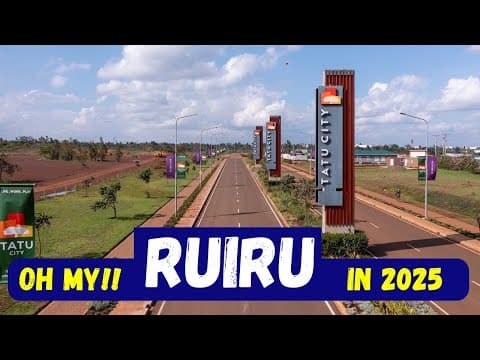
Why Ruiru is Almost Dominating Thika in 2025

Mathare Exposed! Discover Mathare-Nairobi through an immersive ground and aerial Tour- HD

Bullet Bras Evolution || Where did Bullet Bras go to?
What was meant to be a unifying national celebration in Kitale quickly turned into a quiet rebellion that echoed far beyond the confines of the stadium. As President William Ruto took the podium to deliver his Madaraka Day speech, a stunning scene unfolded — rows of residents began to rise from their seats and silently exit.
The symbolism was deafening. What should have been a proud, patriotic moment was transformed into an organized rejection of the man at the helm. This wasn’t just a crowd growing restless. It was a coordinated message: Trans Nzoia is tired of being sidelined, misled, and ignored.
The absence of Governor George Natembeya spoke volumes. This was not an accidental scheduling conflict. This was deliberate. The county’s top leader refused to show up for a national event happening in his own backyard. Over the past weeks, Natembeya has been under increasing political pressure, allegedly fueled by forces within the national administration.
The timing of recent investigations and legal distractions aimed at his office was too convenient to ignore. By boycotting the event, Natembeya wasn’t just avoiding a handshake — he was aligning himself with the frustrations of his people. His silence shouted louder than any speech Ruto could have made that day.
At the heart of the anger lies a painful economic truth. Workers at Nzoia Sugar Company have gone unpaid for months. Despite repeated promises from the government, nothing has changed on the ground. These are not abstract policy issues — they are the lived realities of families unable to pay rent, buy food, or send children to school.

When residents hear Ruto make pledges from the podium, they can’t help but recall how many similar pledges remain unfulfilled. For them, Madaraka Day was not a celebration of freedom — it was a reminder of betrayal. The walkout wasn’t spontaneous. It was planned, felt, and deeply emotional.
Trans Nzoia, like much of Western Kenya, has long struggled with feelings of marginalization. Infrastructure projects skip the region. Development funds trickle in slowly or not at all. Politicians show up during campaigns with promises of revival, only to vanish once votes are secured.
People in Kitale and beyond are no longer content to sit quietly as they watch other regions thrive while theirs stagnates. The walkout served as a visual indictment of the imbalance, a physical representation of their exclusion from the national narrative. Residents walked not just away from Ruto — they walked toward the truth of their own reality.
The image of citizens calmly exiting the venue while their President spoke is now etched into the nation’s political memory. It was a protest unlike the loud, chaotic ones that usually draw headlines. This was more dangerous — calculated, peaceful, and disciplined. It revealed a population that has moved beyond anger into strategy.
These are not citizens asking for attention; they are demanding change. For Ruto, the warning is clear: the people are watching, they are no longer afraid, and their silence may soon turn into a political reckoning. If the government continues to ignore these signals, it risks a wider revolt across disillusioned counties.





0 comments