
Your Read is on the Way
Every Story Matters
Every Story Matters
The Hydropower Boom in Africa: A Green Energy Revolution Africa is tapping into its immense hydropower potential, ushering in an era of renewable energy. With monumental projects like Ethiopia’s Grand Ethiopian Renaissance Dam (GERD) and the Inga Dams in the Democratic Republic of Congo, the continent is gearing up to address its energy demands sustainably while driving economic growth.
Northern Kenya is a region rich in resources, cultural diversity, and strategic trade potential, yet it remains underutilized in the national development agenda.

Can AI Help cure HIV AIDS in 2025

Why Ruiru is Almost Dominating Thika in 2025

Mathare Exposed! Discover Mathare-Nairobi through an immersive ground and aerial Tour- HD

Bullet Bras Evolution || Where did Bullet Bras go to?
President William Ruto’s recent pardon of Joseph Irungu—widely known as Jowie—has ignited a fresh storm in Kenya's public and legal arenas. Sentenced to death in February 2024 for the 2018 murder of businesswoman Monica Kimani, Jowie's unexpected release under a national amnesty has led to confusion, outrage, and calls for clarity.
While the pardon is legally grounded in the Power of Mercy Act, which allows the President to release prisoners based on advisory recommendations, the emotional weight and public memory attached to this particular case have given rise to a national uproar.
Jowie was among 57 inmates granted presidential clemency—a move that typically passes with minimal media attention. However, the gravity of his crime and the symbolic nature of his sentencing make this case exceptional. Unlike other prisoners whose pardon is often justified on humanitarian grounds or exemplary reform, no official rationale was offered in Jowie's case.
This silence has paved the way for public speculation, rumors of political interference, and debates about the true intent behind the amnesty.
As news of the pardon broke, many Kenyans turned to social media to express disbelief and frustration. One voice that stood out was that of prominent online commentator @ItsWanga, who posted:
“No22: Joseph Irungu Maina. Jowie Irungu murdered someone's daughter in cold blood. Ninja was found guilty and sentenced to death by a court of law. But leave it to this regime. These Government just pardoned a felon on death row.”
The tweet encapsulates a widespread sentiment: that justice was not only denied, but reversed. For many, the idea that a convicted murderer could be released within a year of sentencing feels like an affront to both the victim's family and the rule of law.
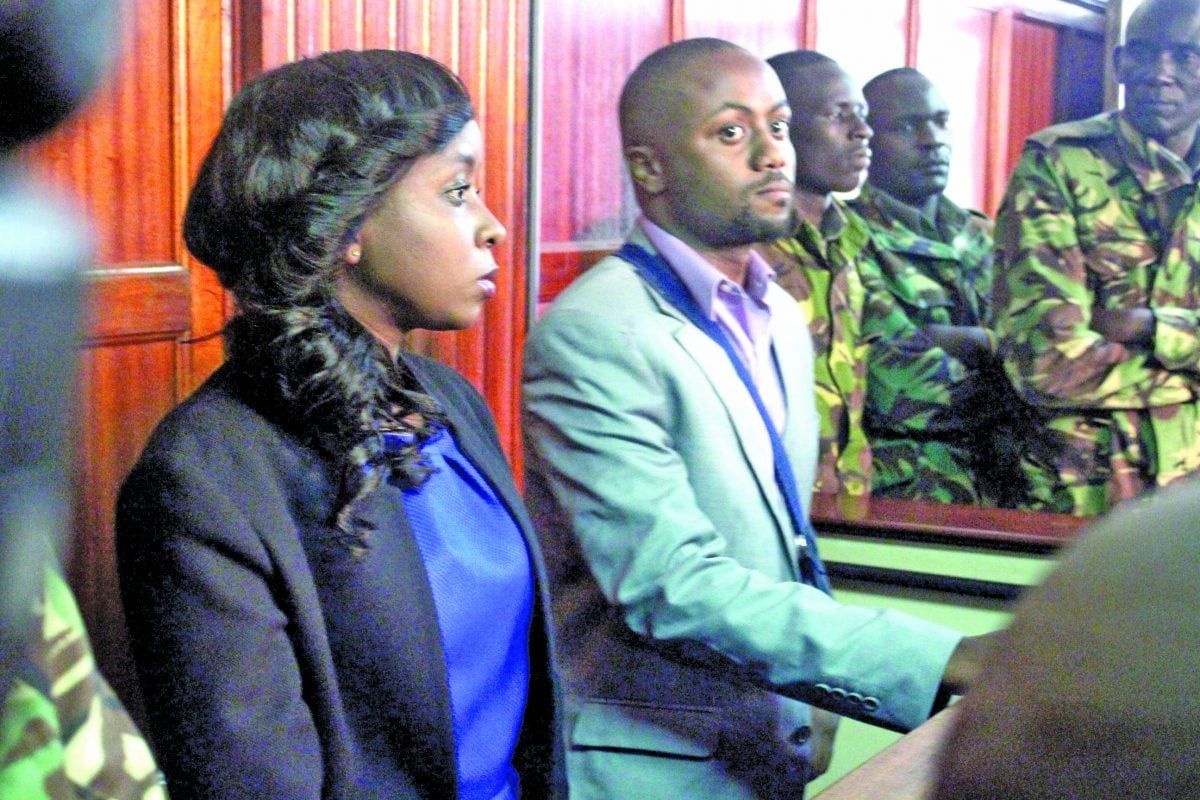
The Monica Kimani case had become a grim symbol of how justice could still be pursued through the courts, even amid media frenzy and societal pressure. Her murder and the dramatic trial that followed drew national attention, culminating in Jowie’s conviction as a moment of legal closure.
Now, that closure is unraveling.
Legal experts argue that while presidential pardons are part of democratic checks and balances, they must be applied with discretion—especially in cases involving violent crimes. The absence of any public reasoning for Jowie's inclusion in the pardon list only deepens concerns.
Supporters of the pardon may point to rehabilitation, overcrowded prisons, or legal procedures being properly followed. But for critics, this decision represents a disturbing trend of politicization in the criminal justice system.
There are whispers of identity confusion—was the “Joseph Irungu” pardoned truly the same Jowie convicted of murder? Government officials have yet to confirm or deny. Others argue that this is not a case of mistaken identity but a deliberate act cloaked in silence.
For the Kenyan public, this is more than one man’s release—it’s about the integrity of justice and the credibility of leadership. When those convicted of heinous crimes are quietly walked out of prison by presidential signature, the trust between the governed and the governing frays.
As pressure mounts on the State House and the Advisory Committee on the Power of Mercy to explain their decision, the eyes of a skeptical public remain fixed on one demand: accountability.
President Ruto's decision to pardon Joseph Irungu may have been legal—but legality does not always align with legitimacy in the court of public opinion. The silence from the highest offices only fuels a growing belief that justice, in this case, has not only been delayed but betrayed.
Kenya now faces a reckoning—not just about the fate of one man, but about the values it wants its justice system to uphold






0 comments