
Your Read is on the Way
Every Story Matters
Every Story Matters
The Hydropower Boom in Africa: A Green Energy Revolution Africa is tapping into its immense hydropower potential, ushering in an era of renewable energy. With monumental projects like Ethiopia’s Grand Ethiopian Renaissance Dam (GERD) and the Inga Dams in the Democratic Republic of Congo, the continent is gearing up to address its energy demands sustainably while driving economic growth.
Northern Kenya is a region rich in resources, cultural diversity, and strategic trade potential, yet it remains underutilized in the national development agenda.

Can AI Help cure HIV AIDS in 2025

Why Ruiru is Almost Dominating Thika in 2025

Mathare Exposed! Discover Mathare-Nairobi through an immersive ground and aerial Tour- HD

Bullet Bras Evolution || Where did Bullet Bras go to?
The Grand Vision Behind Galana Kulalu
The Galana Kulalu Food Security Project was born out of a simple but bold idea: irrigate a million acres of arid land to secure Kenya’s food basket. Launched in 2013 under the national food security pillar, it was designed to wean the country off its chronic dependence on maize imports and transform Kenya into a net food exporter. The chosen site—spanning across Kilifi and Tana River counties—was selected for its vast landmass and potential to sustain high-volume farming through irrigation.
The initial vision was comprehensive: about 500,000 acres dedicated to maize, with the rest split among sugarcane, horticulture, dairy, beef ranching, and even aquaculture. With this strategy, the government hoped to not only end food shortages but also create thousands of jobs, unlock rural economies, and drive industrial agriculture into the heart of Kenya’s marginal regions.
Despite the promise, the Galana Kulalu dream stalled almost as soon as it started. After years of slow progress, cost overruns, and bureaucratic entanglements, the project's credibility began to fade. The first blow came with the cancellation of a contract with a foreign firm tasked with developing a pilot 10,000-acre model farm. Mismanagement, unmet expectations, and political interference became recurring themes.
Rumors swirled about powerful cartels sabotaging the project. The theory was simple: if Galana Kulalu succeeded in producing abundant maize, the grip of importers and millers on Kenya’s food chain would be broken. Stakeholders who profited from maize imports allegedly worked behind the scenes to delay, discredit, or distort the project. For a while, their efforts seemed to work. Galana Kulalu became the poster child of grand but failed government projects.

Fast forward to 2023, and the new administration signaled a complete policy shift. President William Ruto announced that Galana Kulalu would be revived through a Public-Private Partnership (PPP) model. Rather than the government running the entire scheme, selected private players would manage farming operations, bring in innovation, and invest in infrastructure. This decision marked a major departure from the previous top-down approach that had left the fields barren for years.
The revival plan was not just rhetorical. Dams, canals, and access roads have since been fast-tracked. A 10,000-acre pilot farm is now in active cultivation, testing high-yield maize varieties with the aim of producing yields that surpass the national average. The surrounding infrastructure, including a large siltation basin and a water distribution canal, is now reportedly complete—a key milestone in the scheme’s transformation from a symbol of failure to one of hope.
Under the revamped model, the government isn’t going it alone. Instead, it has onboarded a consortium of agri-investment firms to lead the technical, logistical, and managerial execution of the project. These companies bring in expertise on large-scale modern farming, mechanization, and value-chain integration. Their presence is also meant to shield the project from the vagaries of political cycles and state mismanagement that have previously plagued national agricultural programs.
This shift toward privatization isn’t without critics. Some argue that it may marginalize local communities or prioritize profit over food sovereignty. However, the counterargument is equally compelling: without efficient management, modern tools, and strong governance, Galana Kulalu could once again fall into disrepair. For now, the presence of professional agricultural firms has brought renewed energy to the fields—and even early harvests.
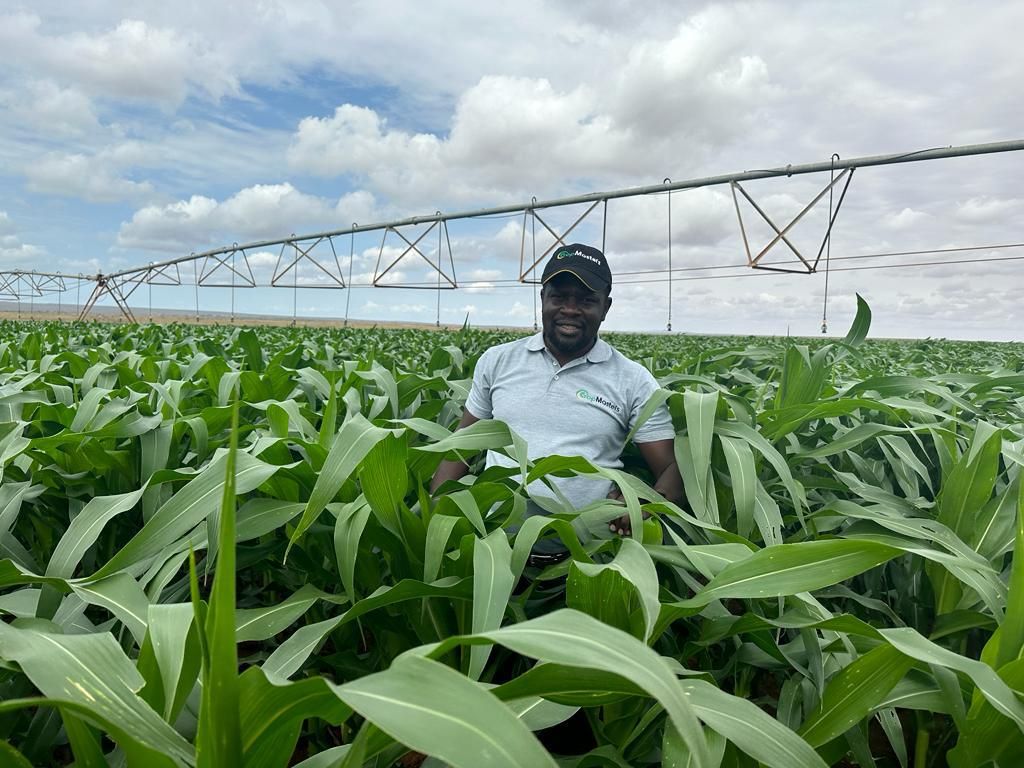
In many ways, Galana Kulalu has become more than a farming project—it’s a political litmus test. Its success or failure is bound to reflect on the current administration’s broader economic vision. For President Ruto, whose campaign focused heavily on hustler empowerment and self-reliance, this is a chance to showcase practical delivery. For Kenyans tired of empty promises and rising food costs, Galana Kulalu offers a rare opportunity to believe in the potential of local production once more.
Yet the stakes are high. The government must tread carefully to ensure the project benefits ordinary citizens—not just politically connected investors. Land disputes, water access, and benefit-sharing remain potential flashpoints if not carefully managed. Moreover, transparency around procurement, leasing, and revenue generation will determine whether this public-private hybrid model is truly inclusive.
Looking forward, the future of Galana Kulalu rests on two major pillars: sustained political will and tangible results. If the project can consistently deliver maize, create jobs, and reduce Kenya’s import bill, it could serve as a blueprint for similar initiatives across Africa. The inclusion of value addition facilities—such as grain silos, animal feed factories, and food processing plants—could further extend the project's impact far beyond the farm.
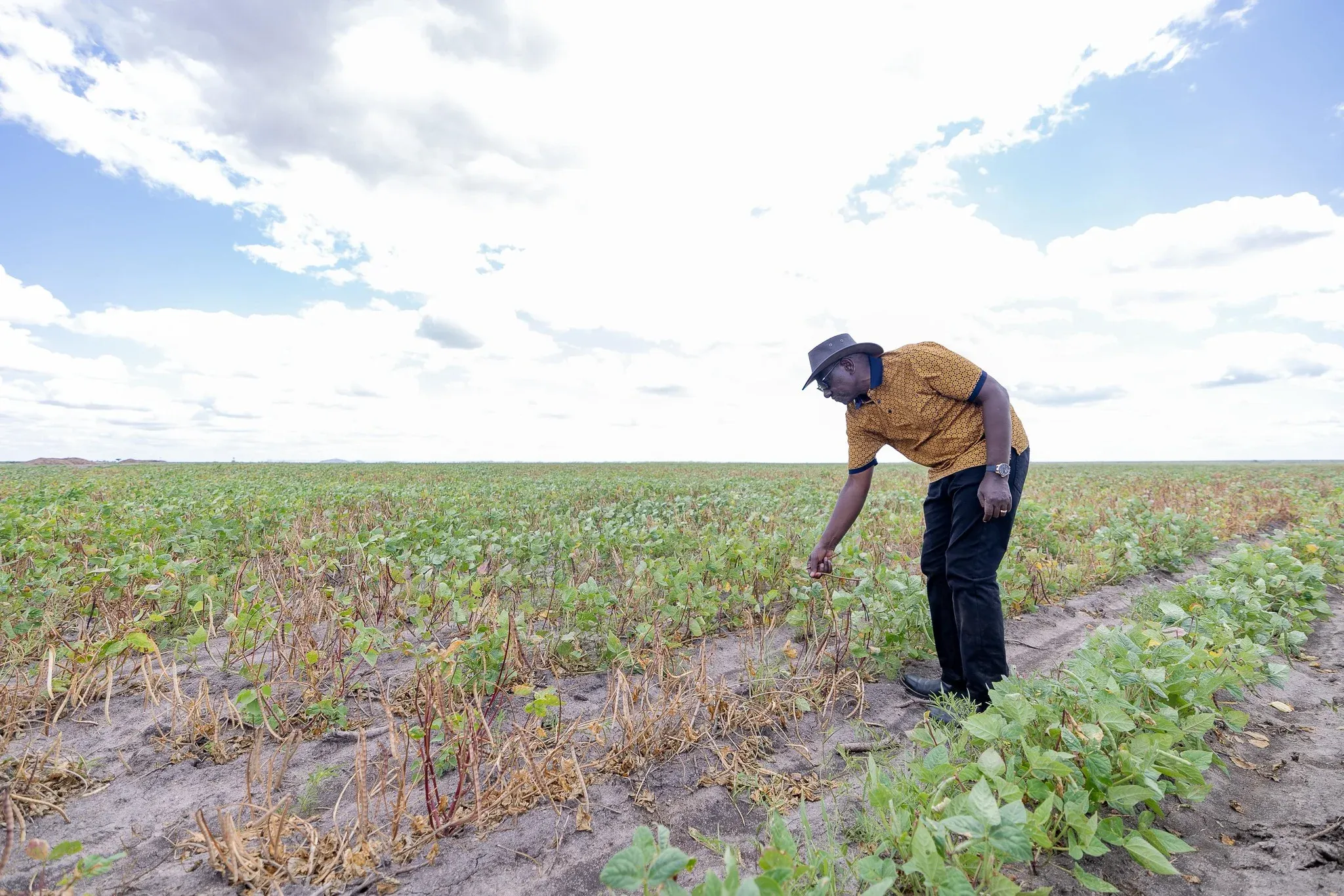
Equally important is community integration. Residents in Kilifi and Tana River must see the benefits directly: access to employment, water, and training. Without local buy-in, even the most advanced infrastructure will ring hollow. This is why the project’s ongoing phase is not just about growing food, but about restoring trust—trust in leadership, in public projects, and in Kenya’s ability to feed itself.
Galana Kulalu has taken a long and painful journey, from a glittering national dream to a near-forgotten scandal—and now, possibly, to a symbol of revival. Its success is not guaranteed, but it is once again within reach. With the right blend of policy clarity, investor oversight, community inclusion, and agricultural innovation, this massive tract of land could finally fulfill its promise.
Whether Galana Kulalu becomes Kenya’s breadbasket or remains an ambitious ghost project will depend on what happens in the next few seasons. But one thing is certain: the country—and the region—is watching.





0 comments