
Your Read is on the Way
Every Story Matters
Every Story Matters
The Hydropower Boom in Africa: A Green Energy Revolution Africa is tapping into its immense hydropower potential, ushering in an era of renewable energy. With monumental projects like Ethiopia’s Grand Ethiopian Renaissance Dam (GERD) and the Inga Dams in the Democratic Republic of Congo, the continent is gearing up to address its energy demands sustainably while driving economic growth.
Northern Kenya is a region rich in resources, cultural diversity, and strategic trade potential, yet it remains underutilized in the national development agenda.

Can AI Help cure HIV AIDS in 2025

Why Ruiru is Almost Dominating Thika in 2025

Mathare Exposed! Discover Mathare-Nairobi through an immersive ground and aerial Tour- HD

Bullet Bras Evolution || Where did Bullet Bras go to?
When the Seven Forks dams in Kenya overflow, the risks to people, homes, and infrastructure downstream become immediate and severe. This dam network along the Tana River plays a vital role in supplying hydropower, supporting irrigation, and maintaining water security across the region. Now that the dams have released excess water, sudden and destructive flooding impacts communities along the river.
This flooding doesn’t just damage property—it disrupts livelihoods, displaces families, and threatens economic stability. Taking prompt, appropriate safety measures after the overflow is critical to minimizing harm. With the right preparation and response, people can protect themselves and reduce the devastating consequences that follow such floods.
Residents living near the riverbanks and flood plains evacuate quickly and safely as floodwaters surge downstream. Local authorities issue warnings and evacuation orders via radio, text alerts, and community leaders. However, in some cases, information doesn’t reach everyone immediately, especially in remote areas.
Because of this, many residents take the initiative to move to higher ground on their own. Those who planned evacuation routes and know the location of emergency shelters manage to leave more efficiently. Open communication between families, neighbors, and local leaders helps coordinate evacuation efforts and reduces panic. Communities that act swiftly and stick to their plans avoid dangerous situations and keep more people safe.
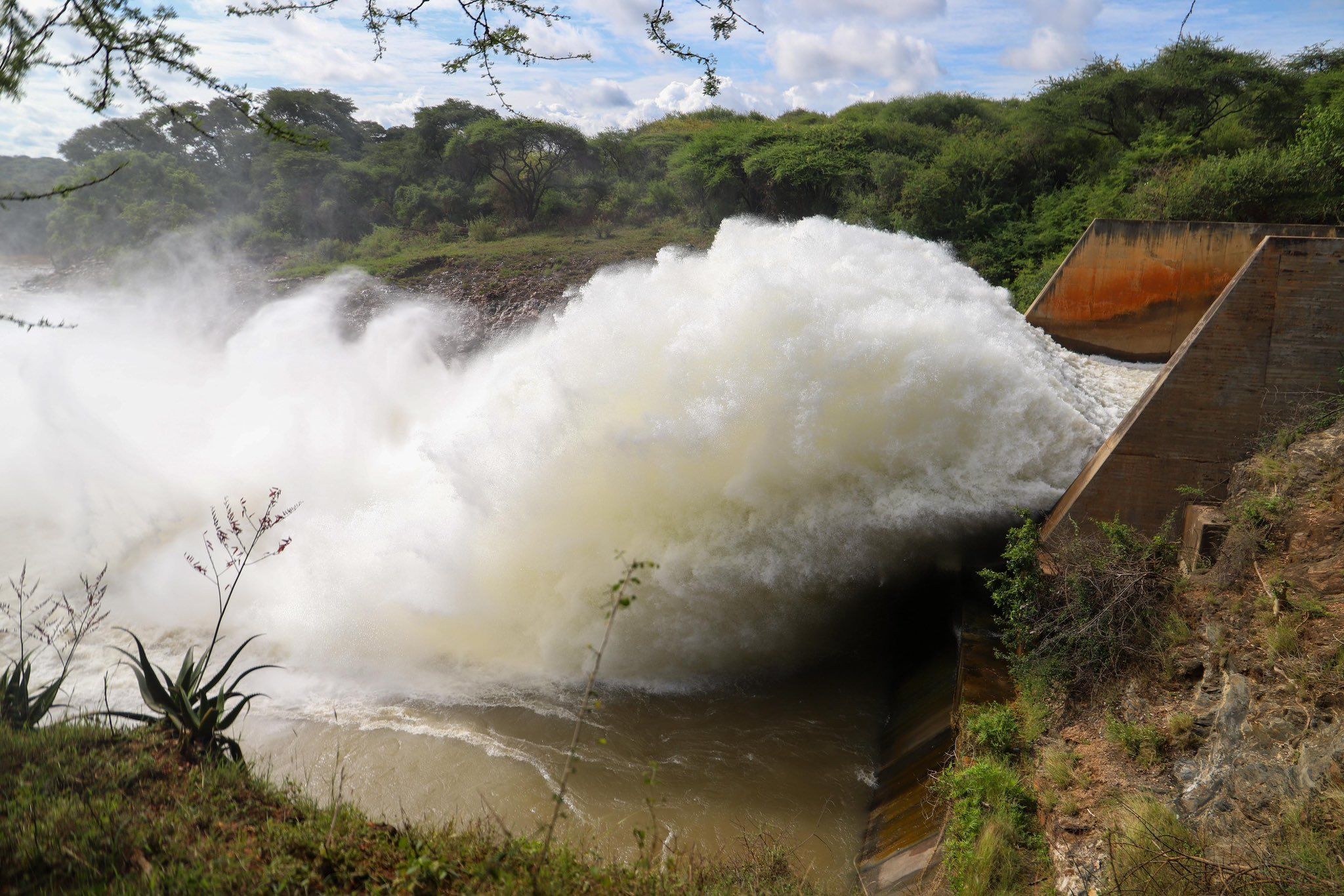
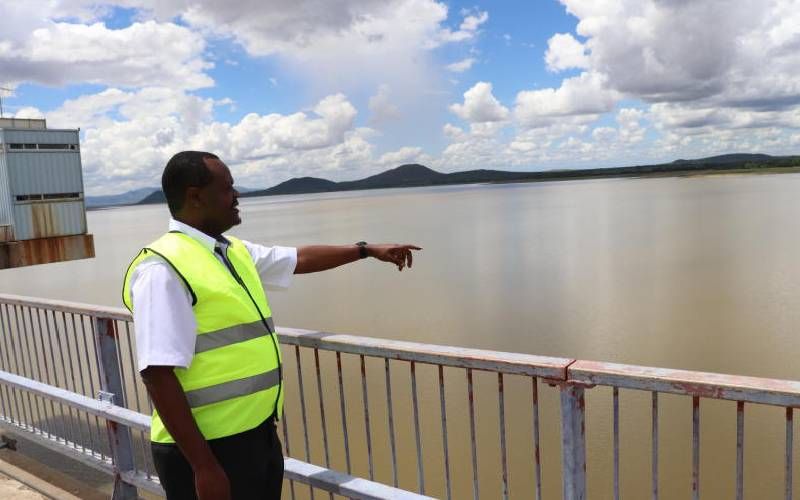
Kenya’s disaster management teams continuously monitor water levels at the Seven Forks dams and issue early warnings to affected communities. Residents stay tuned to local radio stations, official social media pages, and mobile alert services to receive timely updates. They understand that alerts range from precautionary notices, signaling preparation for potential evacuation, to mandatory evacuation orders requiring immediate departure.
Correctly interpreting these warnings is crucial—residents who recognize the urgency evacuate without hesitation, while those who wait too long put themselves at risk. Public awareness campaigns help communities grasp the severity of different alerts, allowing them to respond appropriately and avoid confusion or panic.
As floodwaters rise, residents take steps to safeguard their homes, valuables, and sources of income. Many move important documents like IDs and land titles into waterproof containers or higher ground to prevent loss. Those with time reinforce homes using sandbags or plastic sheets to block water entry.
Farmers along the Tana River relocate livestock to safer locations and harvest crops ready for picking to minimize agricultural losses. They store equipment and supplies on raised platforms to avoid water damage. These efforts, though sometimes challenging to organize quickly, significantly reduce the financial and emotional toll of flooding on families and communities.
Floodwaters carry harmful contaminants, and after the Seven Forks dams overflow, the risk of waterborne diseases increases sharply. People boil or treat drinking water to avoid infections like cholera, typhoid, and dysentery. They avoid contact with stagnant or moving floodwaters to prevent skin infections and parasitic illnesses.
At the same time, stagnant water creates breeding grounds for mosquitoes, causing malaria and dengue fever cases to rise. Residents wear protective clothing, use insecticide-treated bed nets, and apply mosquito repellents to reduce exposure. Health workers and organizations run education campaigns and provide medical assistance to prevent outbreaks and control disease spread.
Flooding damages roads, bridges, and power lines, making travel and access to services dangerous. People avoid crossing flooded roads or bridges because the water conceals damage that can cause collapse. Electrical hazards arise when power lines fall or electrical equipment contacts floodwaters.
Residents steer clear of downed wires and report these dangers to authorities. Even after waters recede, damaged infrastructure delays relief efforts, so people exercise caution and patience while repairs are underway. Staying off unsafe routes protects individuals and allows emergency teams to operate effectively.
As immediate dangers subside, government agencies, NGOs, and community groups coordinate relief efforts to support those affected. They distribute food, clean water, and medical care, and provide temporary shelters for displaced families. Relief centers accommodate children, the elderly, and vulnerable groups with special care.
Communities work with relief workers to speed aid delivery and start rebuilding. Recovery efforts focus on restoring homes, livelihoods, and local infrastructure while improving preparedness for future floods. This collaborative approach strengthens resilience and helps affected populations regain stability and security.





0 comments