
Your Read is on the Way
Every Story Matters
Every Story Matters
The Hydropower Boom in Africa: A Green Energy Revolution Africa is tapping into its immense hydropower potential, ushering in an era of renewable energy. With monumental projects like Ethiopia’s Grand Ethiopian Renaissance Dam (GERD) and the Inga Dams in the Democratic Republic of Congo, the continent is gearing up to address its energy demands sustainably while driving economic growth.
Northern Kenya is a region rich in resources, cultural diversity, and strategic trade potential, yet it remains underutilized in the national development agenda.

Can AI Help cure HIV AIDS in 2025

Why Ruiru is Almost Dominating Thika in 2025

Mathare Exposed! Discover Mathare-Nairobi through an immersive ground and aerial Tour- HD

Bullet Bras Evolution || Where did Bullet Bras go to?
A Nil tax return is a declaration to the Kenya Revenue Authority (KRA) that you had no taxable income during a financial year. It's not a loophole or an evasion tactic—it’s a legitimate filing option for anyone who earned nothing taxable. However, its widespread use, especially among the youth and informal sector, raises interesting questions about unemployment, digital compliance, and Kenya’s tax culture.
The most common reason people file nil returns is simple: they didn’t earn any income. This includes:
-University or college students
-Fresh graduates yet to land a job
-Self-employed individuals in low-income informal work
-Kenyans between jobs or laid off
Filing nil confirms that you’re still compliant, even without income. It shows you're on KRA’s radar and avoiding penalties for failing to file at all.
Even if you have no income, KRA expects an annual return once your PIN is active. Failing to file—whether you earned anything or not—can attract a penalty of KES 2,000.
This compels many to file nil returns just to avoid fines and maintain a clean tax record.
Many government services and job applications require a Tax Compliance Certificate. To obtain one, your filing history must be up to date. If you didn’t file returns—even nil ones—you can’t get the certificate.
So even jobless applicants must file nil returns to prove tax compliance when seeking employment or government services.
A considerable number of people file nil returns wrongly—even when they’ve had some income. This often happens due to:
-Ignorance of what qualifies as taxable income
-Lack of professional tax guidance
-Misuse of the system to avoid paying taxes
For instance, someone earning from online gigs, ride-hailing apps, or freelance work may still file nil, wrongly believing they’re exempt.
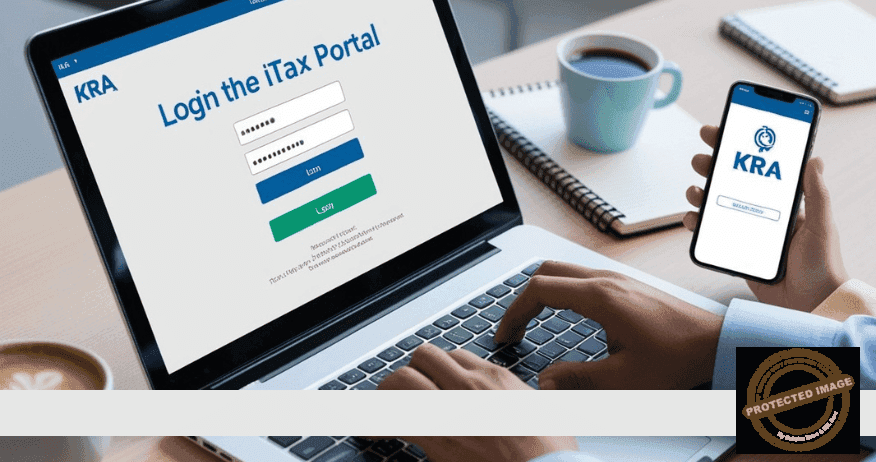
Unlike full tax returns, a nil return is quick to complete on the iTax portal. It requires no receipts, income details, or calculations. With growing internet access and tutorials everywhere, many prefer to submit nil just to tick the box and move on—especially when they’re unsure about their status.
Filing a nil return makes sense if you truly had no income. But it's not meant as a shortcut or escape route. KRA is increasingly monitoring PIN activity, including bank statements and digital transactions. Filing nil while receiving income is a tax offense that can lead to audits, penalties, or legal action.
If you're unsure whether to file nil or declare some income, consult a tax expert or visit a Huduma Centre for guidance.





0 comments