
Your Read is on the Way
Every Story Matters
Every Story Matters
The Hydropower Boom in Africa: A Green Energy Revolution Africa is tapping into its immense hydropower potential, ushering in an era of renewable energy. With monumental projects like Ethiopia’s Grand Ethiopian Renaissance Dam (GERD) and the Inga Dams in the Democratic Republic of Congo, the continent is gearing up to address its energy demands sustainably while driving economic growth.
Northern Kenya is a region rich in resources, cultural diversity, and strategic trade potential, yet it remains underutilized in the national development agenda.

Can AI Help cure HIV AIDS in 2025

Why Ruiru is Almost Dominating Thika in 2025

Mathare Exposed! Discover Mathare-Nairobi through an immersive ground and aerial Tour- HD

Bullet Bras Evolution || Where did Bullet Bras go to?
KRA and Mobile Money Oversight
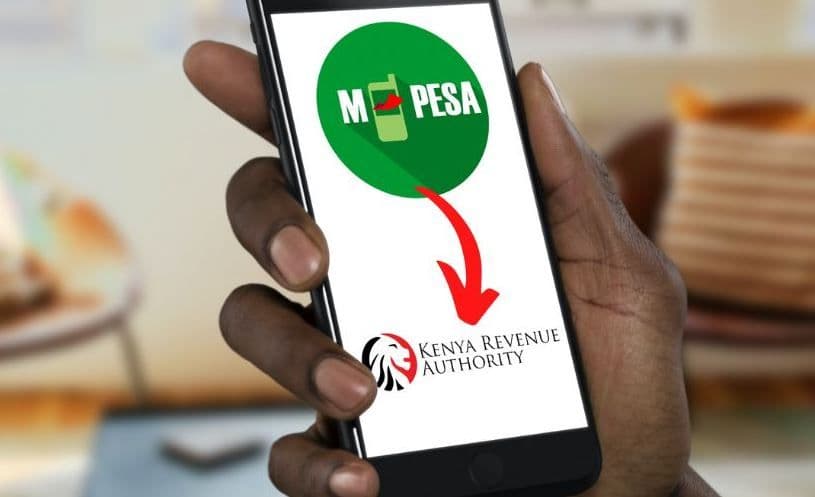
In the digital age, mobile money has become central to commerce and personal finance in Kenya. With M-Pesa at the heart of most financial transactions, questions often arise about whether the Kenya Revenue Authority (KRA) monitors M-Pesa balances. The short answer: KRA does not routinely check your balance, but it can access your M-Pesa transaction history when needed.
KRA’s focus is not on how much money you have in your wallet but rather how much income or revenue you earn—and whether you’re declaring it correctly for taxation purposes.
KRA does not have live access to your M-Pesa balance. However, it can obtain your transaction records from Safaricom if there is a legal or tax-related reason to do so. These records include deposits, withdrawals, business payments, Paybill transactions, and transfers that could signal undeclared income or suspicious financial activity.
This means the tax authority isn't spying on your day-to-day spending, but it does reserve the right to review your M-Pesa data during audits, investigations, or when verifying tax declarations.
M-Pesa records become relevant under several circumstances:
-During tax audits of self-employed individuals or businesses suspected of underreporting income.
-When verifying Turnover Tax (TOT) declarations for small businesses using mobile money for most transactions.
-If flagged by third-party reporting, such as from banks, employers, or procurement systems.
-During lifestyle audits, where your spending patterns don’t match your declared income.
In these cases, KRA can lawfully request statements from Safaricom through official channels, especially if the individual is already under scrutiny.
This does not mean you should fear every transaction made through M-Pesa. Instead, it’s a reminder that digital footprints are traceable, and taxpayers—especially those in business—should be consistent in declaring their earnings.
If you operate a small business using M-Pesa as the primary channel for payments, it's crucial to:
-Keep records of income and expenses.
-Register for Turnover Tax (TOT) if eligible.
-File returns even if you have no income (via nil returns).
-Respond to any KRA communication in time.
As Kenya pushes toward full digitization of tax compliance, the collaboration between KRA and financial service providers like Safaricom is expected to increase. This helps widen the tax net and improve revenue collection without direct harassment or invasive practices.
The message is simple: if your lifestyle or cash flows are inconsistent with your tax filings, authorities may use available digital data—including M-Pesa—to reconcile the truth.
KRA may not monitor M-Pesa balances daily, but it does have the power to request and analyze mobile money records when needed. For taxpayers, especially informal traders, transparency and regular filing are the surest ways to stay on the safe side of the law. As financial systems become more integrated, avoiding scrutiny begins with honest, consistent declarations.


0 comments