
Your Read is on the Way
Every Story Matters
Every Story Matters
The Hydropower Boom in Africa: A Green Energy Revolution Africa is tapping into its immense hydropower potential, ushering in an era of renewable energy. With monumental projects like Ethiopia’s Grand Ethiopian Renaissance Dam (GERD) and the Inga Dams in the Democratic Republic of Congo, the continent is gearing up to address its energy demands sustainably while driving economic growth.
Northern Kenya is a region rich in resources, cultural diversity, and strategic trade potential, yet it remains underutilized in the national development agenda.

Can AI Help cure HIV AIDS in 2025

Why Ruiru is Almost Dominating Thika in 2025

Mathare Exposed! Discover Mathare-Nairobi through an immersive ground and aerial Tour- HD

Bullet Bras Evolution || Where did Bullet Bras go to?
For decades, Kenya’s dairy industry has been a critical pillar of the agricultural sector, contributing significantly to both livelihoods and the economy. However, the small-scale farmers who make up the majority of milk producers remain at the bottom of the value chain, earning barely enough to sustain their operations. The industry is largely controlled by a few dominant processors and middlemen, who dictate prices without considering the costs of milk production. Farmers are forced to sell their milk at unfairly low prices, often below the cost of production, while processors and retailers reap enormous profits. With rising costs of cattle feed, veterinary services, and transportation, many small-scale dairy farmers are trapped in a cycle of debt and frustration.
Even when farmers deliver high-quality milk, payments are often delayed, making it difficult for them to plan financially or reinvest in their dairy businesses. In some cases, unscrupulous middlemen manipulate prices further by underreporting milk quantities or rejecting deliveries without valid reasons. The lack of price regulations allows for unchecked exploitation, forcing many farmers to abandon dairy farming altogether or shift to other agricultural activities. If the status quo remains, Kenya’s dairy sector could soon see a decline in production, increasing reliance on costly milk imports.
Recognizing that individual efforts to demand fair prices are largely ineffective, dairy farmers have begun forming cooperatives to reclaim control over their produce. These cooperatives provide farmers with a collective voice, enabling them to negotiate directly with milk processors for better prices. By pooling resources, they also gain access to better infrastructure, including cooling facilities that allow them to store their milk and avoid immediate sell-offs at low prices. In some regions, farmer-led cooperatives have successfully negotiated higher farm gate prices, ensuring members receive timely payments and improved earnings.

Additionally, cooperatives play a crucial role in educating farmers about best dairy practices, disease management, and market trends. Many provide access to subsidized animal feeds, artificial insemination services, and financial support, helping farmers enhance productivity while reducing costs. However, challenges remain. Some cooperatives struggle with internal mismanagement, while others face resistance from established dairy corporations that view them as a threat to their monopoly. Without stronger government backing, the long-term sustainability of these cooperatives remains uncertain.
Among the most outspoken groups in the fight for dairy reforms is an initiative called "Milk for Justice." This farmer-led movement is calling for urgent policy changes to protect small-scale farmers from predatory pricing. Their main demand is the introduction of a legal minimum price per litre of milk, ensuring that farmers always earn above the cost of production. They argue that without such measures, the industry will continue to favor big processors while farmers remain in poverty.
"Milk for Justice" has gained significant traction, with farmer protests and advocacy campaigns pushing for government intervention. The movement also seeks transparency in milk pricing, stronger regulations to curb exploitation by middlemen, and better financial support systems, such as low-interest loans and subsidies for dairy farmers. However, they face stiff opposition from powerful dairy companies, which are lobbying against such reforms to maintain their control over the sector. Despite these obstacles, the movement continues to grow, fueled by the determination of farmers who refuse to accept unfair treatment.
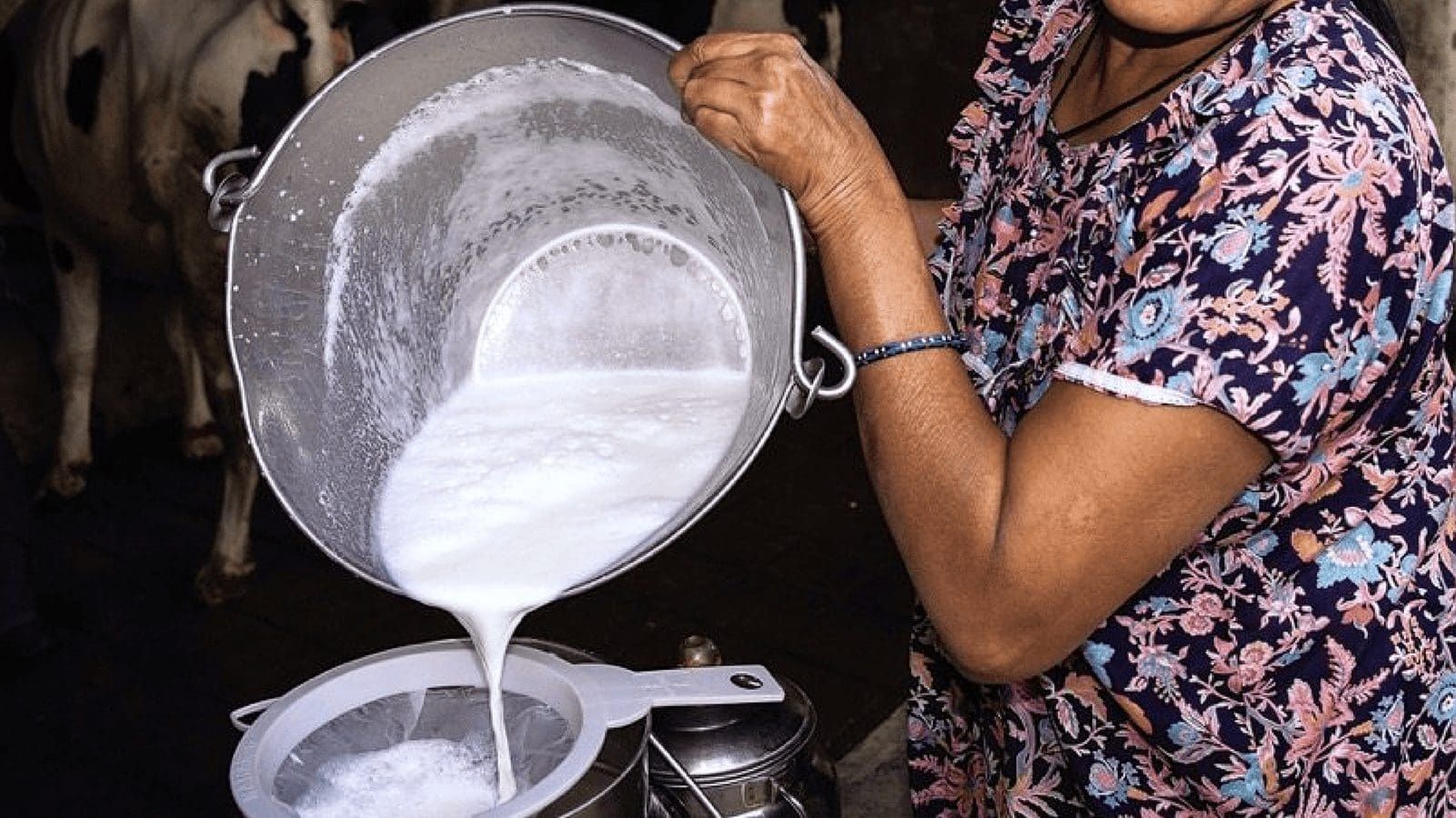
While the Kenyan government has acknowledged the plight of dairy farmers, actual reforms have been slow. The Ministry of Agriculture has proposed introducing a set minimum price for milk, but enforcement remains weak. A recent directive by President William Ruto instructing the New Kenya Cooperative Creameries (KCC) to purchase milk at no less than KSh50 per litre has sparked hope among farmers. However, many fear that without industry-wide enforcement, private processors will continue exploiting farmers.
Additionally, while the government has invested in programs aimed at improving livestock genetics, disease control, and milk storage infrastructure, these efforts have yet to translate into significant price improvements for farmers. Corruption, bureaucratic inefficiencies, and resistance from major dairy corporations have stalled many policy changes. Unless stronger measures are taken, small-scale farmers will continue to bear the burden of an unjust dairy market.
As traditional markets continue to fail them, many farmers are seeking alternative ways to sell their milk. Some have begun processing their own dairy products, such as yogurt, butter, and cheese, to capture more value from their produce. By cutting out middlemen and selling directly to consumers, these farmers are able to set their own prices and earn higher profits. Digital platforms are also playing a transformative role in connecting farmers with buyers, allowing them to bypass brokers and secure fairer deals.

Innovative dairy startups are also stepping in, offering farmers opportunities to sell milk through farmer-run collection centers and automated milk dispensers. Some cooperatives have partnered with supermarkets and local retailers, creating farm-to-table supply chains that ensure fresher products and better earnings for farmers. If these alternative models continue to grow, they could significantly disrupt the traditional dairy industry, forcing major processors to reevaluate their pricing strategies.
The fight for fair milk prices is far from over. What began as scattered frustrations among small-scale farmers has now evolved into a full-scale movement demanding systemic change. The rise of cooperatives, advocacy groups, and alternative business models signals a shift in the industry—one where farmers are no longer passive participants but active decision-makers in their own future.
However, significant challenges remain. Without stronger government enforcement of fair pricing policies, small-scale farmers will continue to be at the mercy of dominant dairy corporations. Corruption and political influence within the dairy industry further complicate efforts to implement meaningful reforms. Additionally, while direct-to-consumer sales and farmer-run cooperatives offer promising solutions, they require better infrastructure, financial investment, and widespread market adoption to be truly effective.
Ultimately, the survival of Kenya’s dairy sector depends on collective action. Farmers must continue to organize, push for policy reforms, and embrace innovative ways of selling their products. Consumers also have a role to play by supporting farmer-led dairy initiatives and demanding greater transparency in milk pricing. If these efforts succeed, Kenya’s dairy industry could become a model for fair trade, sustainability, and economic empowerment.





0 comments