
Your Read is on the Way
Every Story Matters
Every Story Matters
The Hydropower Boom in Africa: A Green Energy Revolution Africa is tapping into its immense hydropower potential, ushering in an era of renewable energy. With monumental projects like Ethiopia’s Grand Ethiopian Renaissance Dam (GERD) and the Inga Dams in the Democratic Republic of Congo, the continent is gearing up to address its energy demands sustainably while driving economic growth.
Northern Kenya is a region rich in resources, cultural diversity, and strategic trade potential, yet it remains underutilized in the national development agenda.

Can AI Help cure HIV AIDS in 2025

Why Ruiru is Almost Dominating Thika in 2025

Mathare Exposed! Discover Mathare-Nairobi through an immersive ground and aerial Tour- HD

Bullet Bras Evolution || Where did Bullet Bras go to?
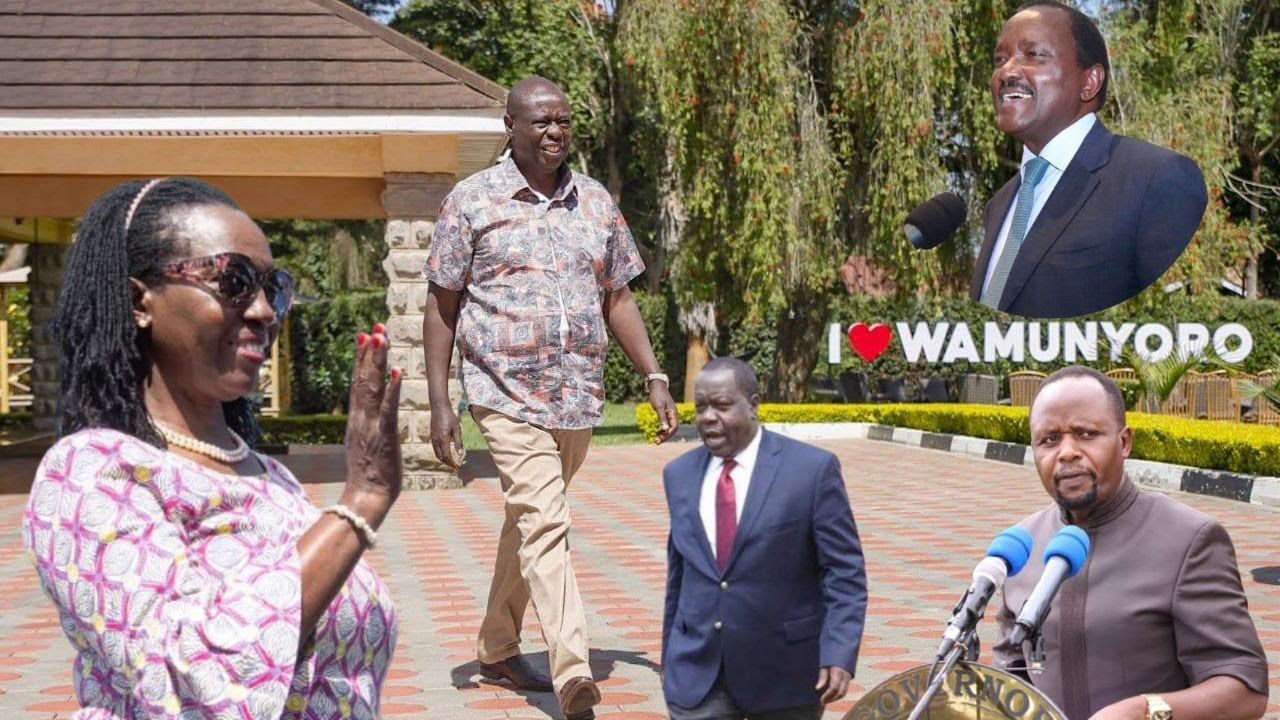
Wamunyoro wasn’t on anyone’s radar a few years ago. It was the kind of place drivers sped through, barely glancing at the rusted signposts or the dusty shops flanked by idle motorcycles. It didn’t have a monument, a big school, or a famous market. It didn’t make news — and didn’t want to. But all of that changed when a political earthquake jolted the nation’s top leadership and set in motion a comeback tale the country had not prepared for. In the eye of that storm stood Wamunyoro — no longer just a village, but a gathering place for ambition, reinvention, and political warfare cloaked in rural calm.
There was a time when the man many now call the “Wamunyoro King” sat next to the nation’s most powerful seat — the Deputy President’s office. He had power, reach, and a firebrand style that divided opinion. Then, just as fast as his rise, he was booted from power, politically crucified and cast out as a cautionary tale. He disappeared from Nairobi’s high tables.
But instead of fighting to stay, he vanished into silence — and returned to his roots. Not out of defeat, but out of clarity. His enemies believed they’d dumped him in obscurity. What they didn’t know was that Wamunyoro, the very place they thought irrelevant, would give him something Nairobi never could — unfiltered loyalty and the freedom to plot without scrutiny.
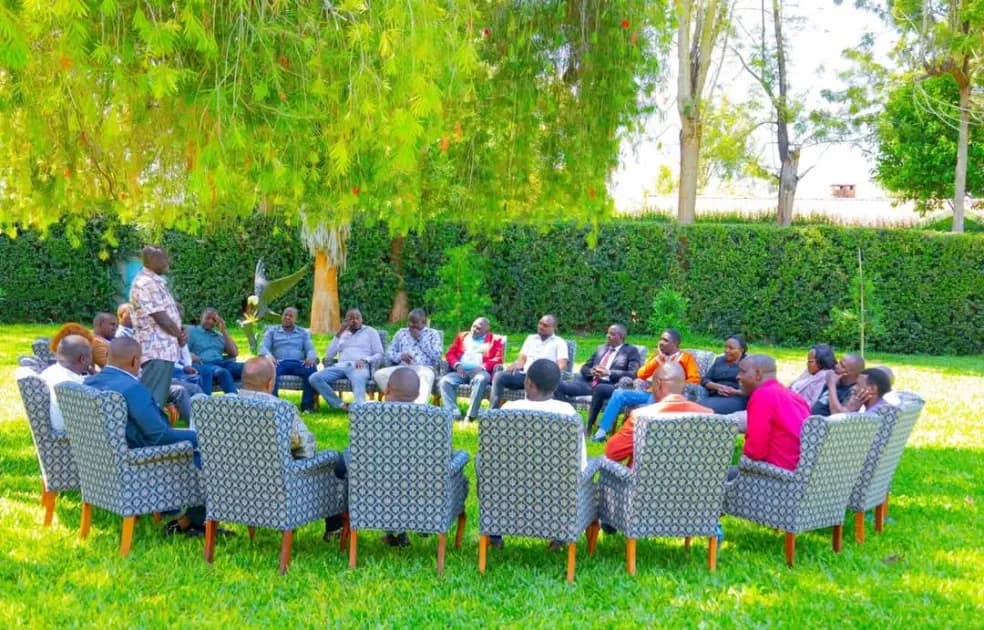
At first, the return was low-key. A few visitors, a handshake or two, a subtle speech at the local church. But beneath that calm, something was brewing. The once-quiet compound slowly turned into a fortress. What began as weekend gatherings turned into full-blown tactical retreats.
Influential guests started showing up — county leaders, youth mobilizers, businessmen with deep pockets and quiet agendas. They didn't come for tea. They came for instructions. Soon, Wamunyoro wasn’t a hideout — it was an operation base. And the man who once fell from national grace was suddenly the one flipping chess boards behind the curtain.
In political circles, symbolism is everything — and Wamunyoro became a code word. It meant strategy. It meant dissent. It meant the regrouping of forces disillusioned with the status quo. It was no longer just a home. It was a sanctuary for plotting a counter-narrative. Even his critics noticed the shift.
The media struggled to define what was happening — was it rebellion? A reinvention? A rural revolt? He didn’t care for definitions. What mattered was that decisions once made in Nairobi were now being influenced by conversations held on plastic chairs under trees surrounded by red soil. The power language had changed — and Wamunyoro was the new dialect.

To outsiders, the transformation seemed sudden, but to those close to him, it was calculated. He stopped chasing validation. Instead, he created a place where others came seeking his approval. His silence became more powerful than his speeches. His critics accused him of tribal strongman politics, but supporters called it strategic regional grounding.
While others ran flashy campaigns, he built a silent army — loyal, hungry, and fiercely territorial. His identity was no longer just linked to his title, but to a place. A name. Wamunyoro. And every time he was mocked for it, the brand grew stronger. What was meant to shame became a symbol of rising from dust to dominance.
Today, Wamunyoro isn’t just a location on a map. It’s a pulse in the heart of Mount Kenya’s political terrain. It has rewritten the rules of comeback. It taught a country that exile isn’t always punishment — sometimes, it’s a reset. The SUVs still roll in. Journalists still wait by the gate.
Opponents still wonder what he’s planning next. And through it all, he remains calm, watching it unfold from the same place they tried to send him to as a footnote. Wamunyoro has made it clear: if you want to understand where Kenya is headed next, start by asking who’s been visiting that compound with no title but all the power.




0 comments