
Your Read is on the Way
Every Story Matters
Every Story Matters
The Hydropower Boom in Africa: A Green Energy Revolution Africa is tapping into its immense hydropower potential, ushering in an era of renewable energy. With monumental projects like Ethiopia’s Grand Ethiopian Renaissance Dam (GERD) and the Inga Dams in the Democratic Republic of Congo, the continent is gearing up to address its energy demands sustainably while driving economic growth.
Northern Kenya is a region rich in resources, cultural diversity, and strategic trade potential, yet it remains underutilized in the national development agenda.

Can AI Help cure HIV AIDS in 2025

Why Ruiru is Almost Dominating Thika in 2025

Mathare Exposed! Discover Mathare-Nairobi through an immersive ground and aerial Tour- HD

Bullet Bras Evolution || Where did Bullet Bras go to?
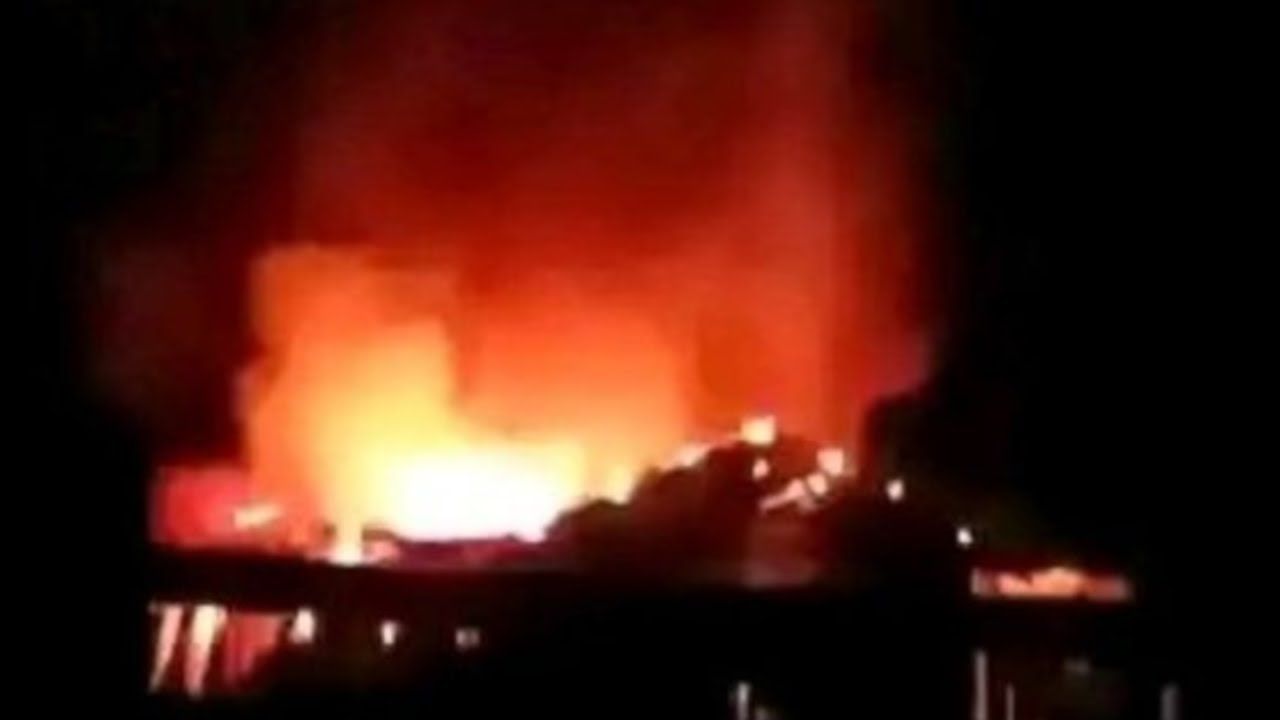
What began as murmurs of discontent over a delayed musical device exploded into a full-scale disaster on the night of Saturday, July 13, as Lari Boys High School in Kiambu County descended into flames and chaos.
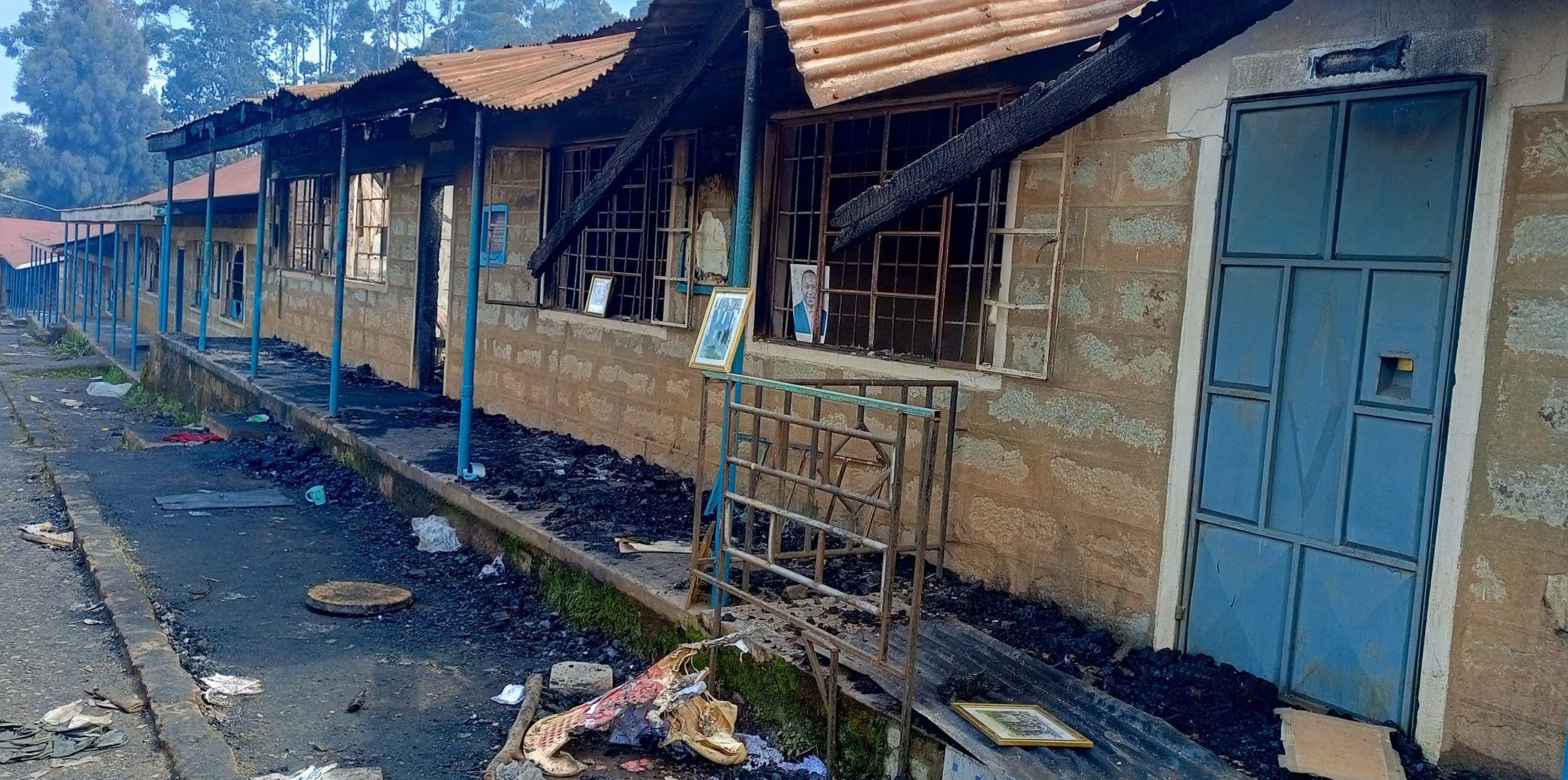
By dawn, classrooms, laboratories, the library, and the administrative block were charred shells. Only the dormitories stood untouched. The school has since been shut down indefinitely, and parents are left questioning both the system and their shattered expectations.
In the incident lies a seemingly trivial grievance—a musical device that students had been promised but never received. According to witnesses, a school official allegedly postponed handing over the equipment multiple times, triggering simmering resentment.
That evening, after supper, the resentment boiled over. Some students, feeling betrayed and unheard, allegedly set the school ablaze.
A parent, Francis Lokato, summed it up bitterly:
"They had been told the device would be given to them, but it didn’t happen. That’s when things went south. Chaos followed dinner."
As the flames engulfed the institution, residents from the surrounding community rushed in to help—but their goodwill was repaid with hostility. According to locals, students hurled stones and sabotaged efforts to save school property, forcing many to retreat for their own safety.
One community member, Eunice Kinyanjui, recounted the ordeal:
"They were breaking windows, throwing stones—acting like they didn’t want us there. We used to be proud of how far this school had come. Now we don’t even feel safe near it."
Despite frantic calls to fire services, help came too late. By the time police arrived, the damage was irreversible.
For parents, the shutdown came as a slap in the face—especially those who had paid full term fees for children in critical years like Form 4. With no timeline for reopening and no immediate plan from the school board, frustration now mixes with anxiety.
One parent voiced the collective anger:
"We need answers. We paid fees. Now we have our kids at home with no plan. Some were burning the school, others were blocking rescue. This won’t just blow over—it’s deeper."
This was not just an act of arson. It was a symptom of a deep institutional fracture—a disconnect between students and administration, where communication collapsed and discipline failed. The fact that a musical device could trigger such explosive violence speaks volumes about bottled-up resentment and poor student relations.
The school’s rapid transition from day school to boarding also comes into question. Has the institution evolved faster than its systems could manage?
The bigger concern now: how will Lari Boys High School recover from this physical, emotional, and reputational wreckage?
What’s clear is this: blame alone won't fix what’s broken. The school board, teachers, parents, and even students must now reckon with hard truths. A school that turns against itself cannot be healed by punishment alone. Rebuilding trust, reinforcing structure, and restoring calm must come before any return to learning.
Until then, Lari Boys High stands not just empty—but divided.





0 comments