
Your Read is on the Way
Every Story Matters
Every Story Matters
The Hydropower Boom in Africa: A Green Energy Revolution Africa is tapping into its immense hydropower potential, ushering in an era of renewable energy. With monumental projects like Ethiopia’s Grand Ethiopian Renaissance Dam (GERD) and the Inga Dams in the Democratic Republic of Congo, the continent is gearing up to address its energy demands sustainably while driving economic growth.
Northern Kenya is a region rich in resources, cultural diversity, and strategic trade potential, yet it remains underutilized in the national development agenda.

Can AI Help cure HIV AIDS in 2025

Why Ruiru is Almost Dominating Thika in 2025

Mathare Exposed! Discover Mathare-Nairobi through an immersive ground and aerial Tour- HD

Bullet Bras Evolution || Where did Bullet Bras go to?
Perfume has been used for centuries as a symbol of elegance, luxury, and personal expression. However, beneath the pleasant aroma lies a deeper social function: concealment. While many wear perfume to enhance their appeal, others use it to mask certain physical realities, emotional states, or insecurities. In many cases, applying perfume becomes a subtle strategy to navigate complex social interactions or manage self-image.
The most common reason people apply perfume is to mask unpleasant body odors. Natural body scent, especially after physical activity or in warm climates, can become strong or off-putting. Perfume helps mask these odors and provides a sense of cleanliness and freshness. In settings such as the workplace, public transportation, or social gatherings, people may use fragrance to avoid drawing attention to themselves for the wrong reasons.
Sometimes, perfume is used to compensate for skipped showers or insufficient hygiene practices. In rushed mornings or during travel, individuals might not have the time or means for a thorough cleanse. A generous spray of perfume can serve as a quick fix—though it's no substitute for actual hygiene, it may provide temporary cover and social confidence.
Perfume can act as an emotional mask. People going through grief, heartbreak, or depression may use fragrance as a form of emotional armor—an attempt to project normalcy or confidence. Wearing a familiar or luxurious scent can serve as a comfort mechanism, boosting self-esteem even when inner emotions are fragile or conflicted.
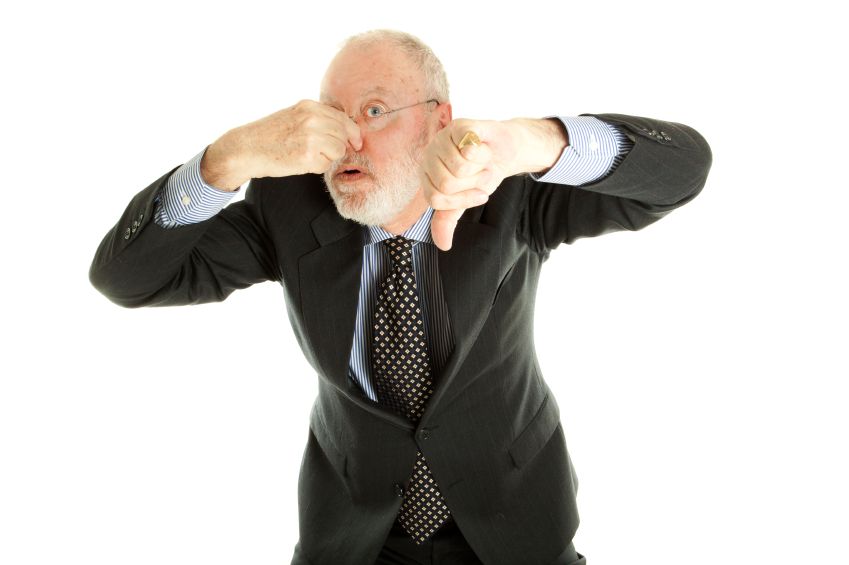
As people age, the skin’s natural chemistry changes, which can subtly alter body odor. Menopausal hormonal shifts, certain medications, or health conditions may also produce changes in scent. Perfume becomes a discreet way to manage these changes and maintain a youthful, pleasant impression. For many, it is not vanity—it’s self-care in a socially acceptable form.
Smokers often use perfume to mask the lingering scent of tobacco on clothing, hair, and skin. The same goes for people working in environments with strong odors—such as kitchens, factories, or public transport. A spritz of perfume allows them to step into public spaces or meetings without carrying the smell of their surroundings.
In some cases, perfume becomes a psychological crutch. People might fear that they naturally smell bad or aren't appealing enough without fragrance. This can lead to over-application or an intense dependency on specific perfumes to feel socially acceptable or personally desirable.
Perfume is more than an accessory—it’s a multifaceted tool that serves both aesthetic and psychological functions. While its primary purpose is to enhance scent, many use it to hide physical realities or emotional vulnerabilities. Understanding this doesn’t diminish its charm; rather, it highlights how deeply tied scent is to identity, perception, and human interaction.





0 comments