
Your Read is on the Way
Every Story Matters
Every Story Matters
The Hydropower Boom in Africa: A Green Energy Revolution Africa is tapping into its immense hydropower potential, ushering in an era of renewable energy. With monumental projects like Ethiopia’s Grand Ethiopian Renaissance Dam (GERD) and the Inga Dams in the Democratic Republic of Congo, the continent is gearing up to address its energy demands sustainably while driving economic growth.
Northern Kenya is a region rich in resources, cultural diversity, and strategic trade potential, yet it remains underutilized in the national development agenda.

Can AI Help cure HIV AIDS in 2025

Why Ruiru is Almost Dominating Thika in 2025

Mathare Exposed! Discover Mathare-Nairobi through an immersive ground and aerial Tour- HD

Bullet Bras Evolution || Where did Bullet Bras go to?
Exclusively breastfeeding mothers face unique nutritional demands. Their bodies are not only healing post-pregnancy but also producing enough milk to sustain an infant's complete nutritional needs. While a healthy diet forms the foundation, many mothers struggle with milk supply and wonder whether supplements can help. The answer is yes—but the right ones, used correctly.
Supplements are not miracle cures, but some have been shown to enhance milk production when used in combination with proper hydration, frequent nursing, and maternal rest. Here’s a comprehensive look at what works best for lactating women.
Perhaps the most popular galactagogue (milk-producing herb), fenugreek seeds contain phytoestrogens that can stimulate milk glands. Studies suggest it may increase milk volume within 24–72 hours of consistent use.
How to Take: 1–2 capsules (500–1000 mg) up to 3 times a day or as tea.
Caution: Can cause a maple syrup-like odor in sweat and urine; not recommended for women with diabetes or thyroid conditions.
Often paired with fenugreek, blessed thistle supports digestion and hormone balance, both critical for healthy lactation.
How to Take: Capsule or tea form, typically 1–3 times daily.
Caution: Not suitable during pregnancy; may cause mild digestive upset.
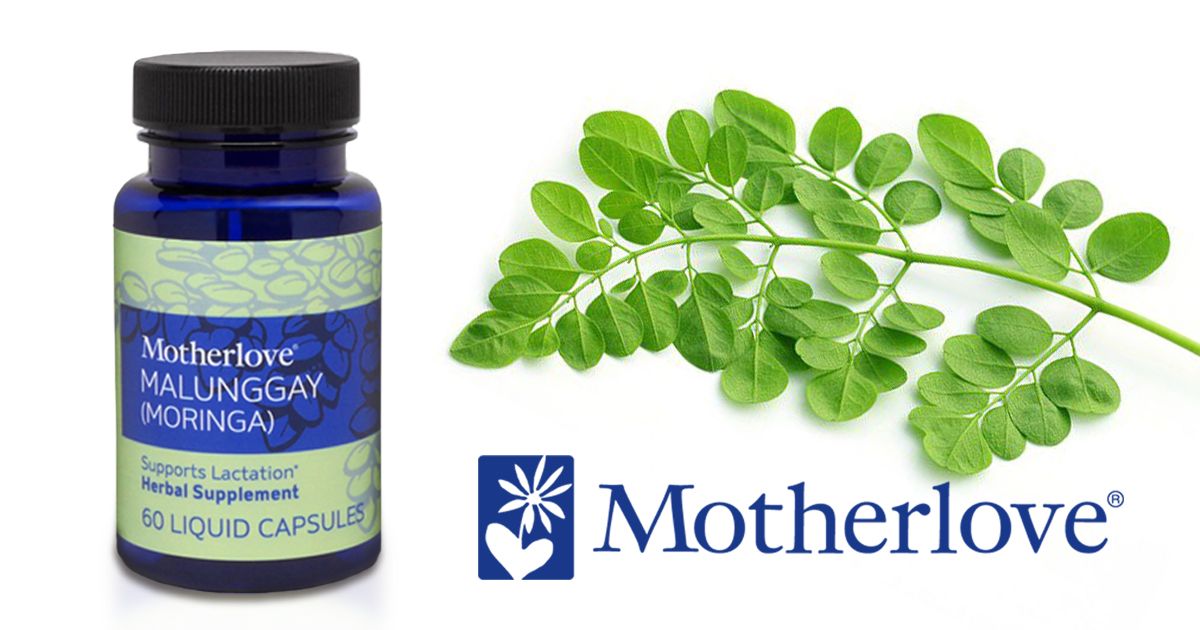
This nutrient-rich plant is loaded with iron, calcium, and vitamin C. Research in Asia shows a significant increase in milk output when moringa leaves are taken regularly.
How to Take: 1–2 capsules daily or as moringa leaf powder added to food or smoothies.
Bonus: Boosts overall maternal energy and combats fatigue.
Rich in B vitamins, protein, and chromium, brewer’s yeast not only supports milk supply but can also help with postpartum mood stability.
How to Take: 1–2 tablespoons daily in oatmeal, smoothies, or lactation cookies.
Note: Choose debittered versions to improve taste.
Though not a direct milk booster, omega-3s improve milk quality and are essential for baby’s brain and eye development. They also support maternal mood and hormonal balance.
How to Take: 200–300 mg DHA daily, ideally through fish oil or algae-based supplements.
Tip: Look for high-purity products free of mercury and contaminants.
Most breastfeeding mothers are deficient in vitamin D, which impacts overall health and possibly milk nutrient composition. Supplementation ensures both mother and baby get adequate levels.
Dosage: 2000–4000 IU daily.
Low iron can lead to fatigue and decreased milk production. Postpartum women, especially those who lost a lot of blood during birth, may benefit from supplementation.
Dosage: 15–30 mg daily, as advised by a doctor.
Lactation depletes these minerals rapidly. A supplement combining both can support bone health and help with hormonal regulation.
Dosage: 500 mg calcium + 250 mg magnesium per day.
Not all herbs marketed for lactation are safe. Avoid the following unless advised by a professional:
-Sage and Parsley: Can decrease milk supply.

-Peppermint oil (in large doses): May negatively affect production.
-Weight loss supplements: Often contain stimulants that interfere with lactation and maternal nutrition.
No supplement replaces a proper diet, hydration, and frequent nursing or pumping. Supplements should be used to support—not substitute—healthy habits. Here are some final tips:
-Consult a healthcare provider before beginning any new supplement, especially if you have underlying conditions.
-Track your supply and your baby’s weight gain to assess what’s working.
-Hydrate, rest, and eat balanced meals to allow your body to function optimally.
Breastfeeding is a demanding journey that requires physical, emotional, and nutritional resilience. Supplements can provide the gentle push many mothers need to keep going. When used wisely and safely, these natural aids can make a noticeable difference in milk supply—and give breastfeeding mothers the confidence and support they deserve.






0 comments