
Your Read is on the Way
Every Story Matters
Every Story Matters
The Hydropower Boom in Africa: A Green Energy Revolution Africa is tapping into its immense hydropower potential, ushering in an era of renewable energy. With monumental projects like Ethiopia’s Grand Ethiopian Renaissance Dam (GERD) and the Inga Dams in the Democratic Republic of Congo, the continent is gearing up to address its energy demands sustainably while driving economic growth.
Northern Kenya is a region rich in resources, cultural diversity, and strategic trade potential, yet it remains underutilized in the national development agenda.

Can AI Help cure HIV AIDS in 2025

Why Ruiru is Almost Dominating Thika in 2025

Mathare Exposed! Discover Mathare-Nairobi through an immersive ground and aerial Tour- HD

Bullet Bras Evolution || Where did Bullet Bras go to?
The earliest months of a baby’s life are often dismissed as a blur of diapers, feedings, and sleep-deprived nights. But hidden in these quiet, chaotic days is a complex behavioral language that most caregivers miss. Infants under six months aren't blank slates or passive passengers in their own development. They are absorbing, reacting, experimenting—and most of all—communicating. These early behaviors offer the first glimpse into a child’s personality, needs, and how they will interact with their environment.
What looks like random flailing or fussiness is often a coded message about comfort, attention, or even emotional security. If we learn to listen not just with our ears but with our eyes and intuition, we can begin to decode these signals and respond in a way that supports the child’s emotional and psychological growth.
Emotional development doesn’t begin at toddlerhood; it starts from the first moments of life. Even before a baby can smile or track a caregiver’s face, they are building associations between their needs and the world’s responses to those needs. A baby who is consistently soothed when crying learns that the world is predictable, loving, and safe. This seemingly simple dynamic is actually the foundation for secure attachment—a psychological anchor that will influence how the child handles stress, forms relationships, and perceives others for the rest of their life.
On the other hand, an infant who is regularly ignored or inconsistently comforted may internalize unpredictability or emotional detachment, which can manifest later as anxiety, avoidance, or difficulty trusting others. These patterns are not set in stone but become harder to change as the child grows. By tuning into a baby’s emotional needs in these first six months, we are essentially constructing the emotional skeleton on which future behavioral traits will hang.
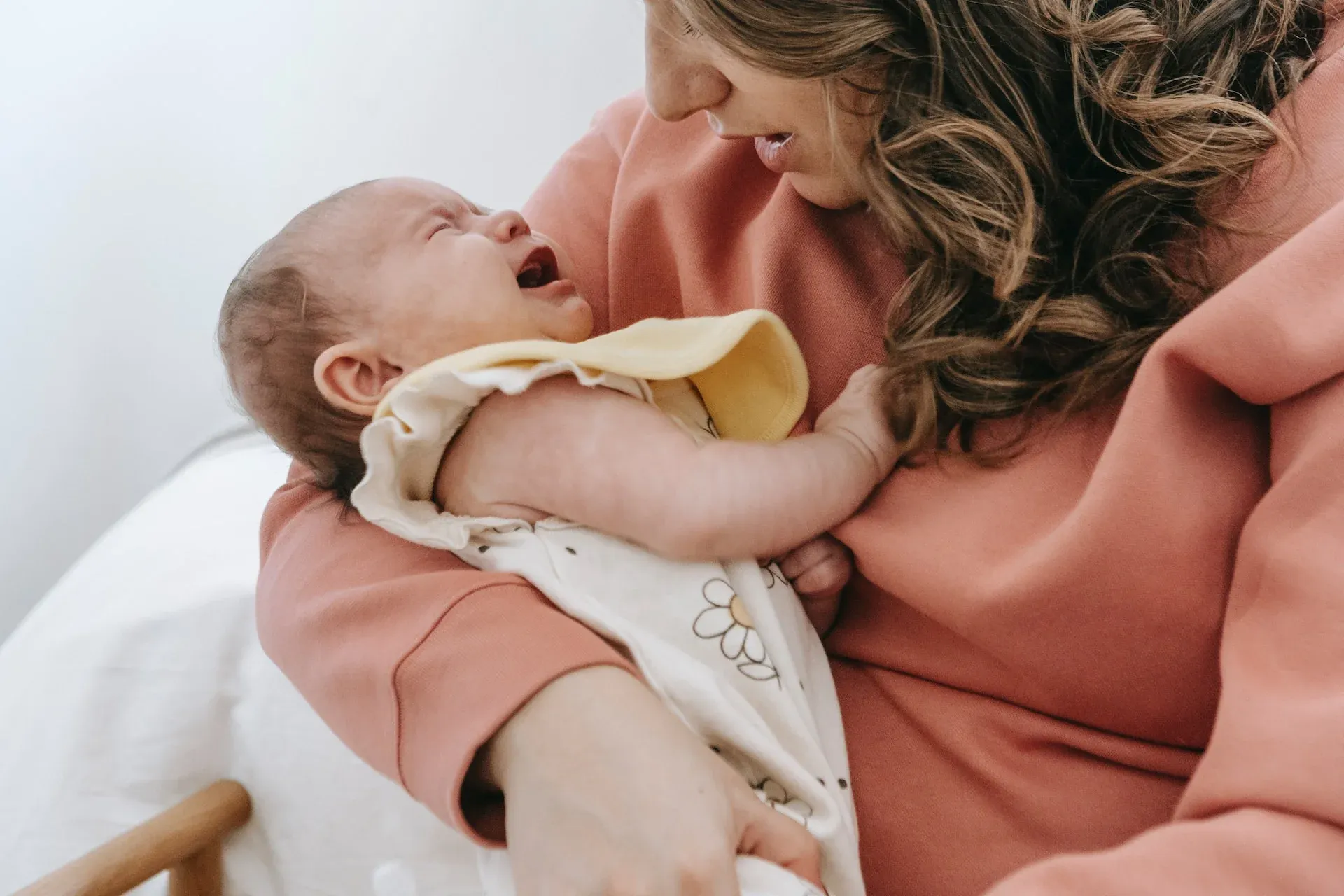
Crying is often the most misunderstood behavior in early infancy. While it may appear disruptive or excessive, crying is the most sophisticated and powerful tool a baby has to communicate. Newborns don’t cry just to make noise—they cry with purpose. Hunger, discomfort, boredom, pain, or the need for human connection all have distinct tones and rhythms that, over time, parents begin to differentiate. By three months, babies begin refining their cries in an attempt to direct adult behavior more effectively, making crying an evolving form of intentional communication.
When caregivers respond promptly and compassionately, they send a powerful message: “You are heard, you matter.” Over time, this reinforcement encourages the infant to keep communicating in more advanced ways—first through gestures and eventually language. Conversely, when cries are met with indifference or frustration, babies may learn that their needs are not important, often becoming quieter—not because they’re satisfied, but because they feel unheard. This withdrawal can set a behavioral precedent that becomes difficult to reverse.
By six to eight weeks of age, babies begin doing something remarkable—they make eye contact and smile spontaneously. These two tiny actions represent a seismic shift in behavioral development. They mark the beginning of social reciprocity, emotional mirroring, and mutual engagement. When a baby locks eyes with a caregiver, it is not merely looking—it is connecting. That look, held for just a few seconds, releases oxytocin in both the baby and the adult, strengthening the emotional bond between them.
The smile that follows is not just reflexive; it’s a learned social response, shaped by how the adult interacts with the child. When caregivers smile back, coo, or gently talk, the baby learns that communication brings joy, attention, and connection. These repeated moments of engagement serve as emotional training sessions, teaching babies empathy, responsiveness, and the rhythm of human interaction. On the other hand, the absence of responsive eye contact or social cues can delay or derail the development of these critical behavioral patterns.
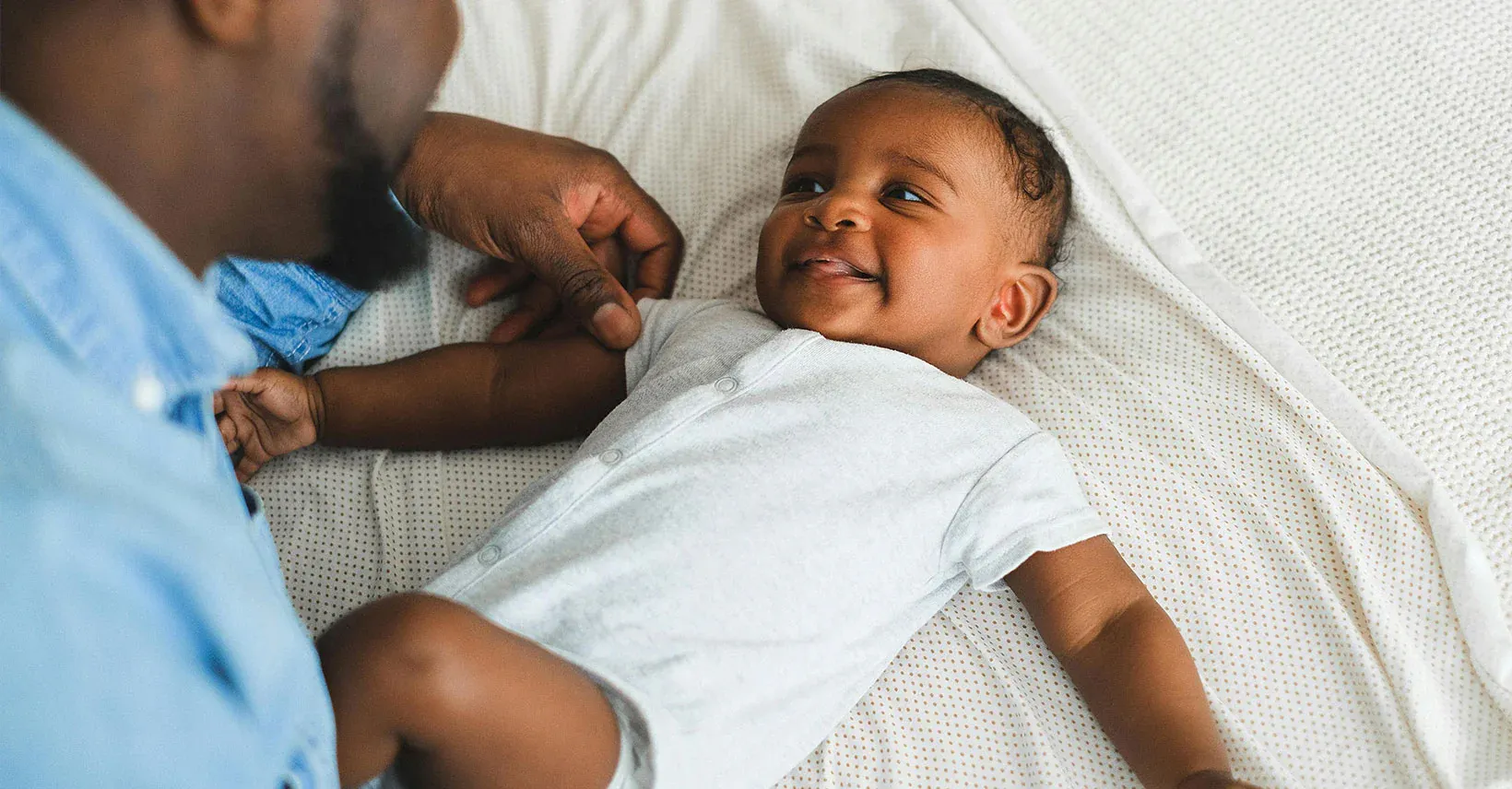
Behavioral development isn’t limited to emotional or social cues—movement is also a major part of how infants express themselves. Even before they can roll over or sit up, babies use their bodies to react to the world around them. A newborn who constantly stiffens, arches their back, or flails may be communicating overstimulation, discomfort, or a highly sensitive temperament. These aren't just reflexes—they’re embodied emotions. As motor control improves around three to four months, babies start reaching for objects, batting at toys, or tracking movement with their eyes.
These behaviors are exploratory—they show the baby’s curiosity, cognitive processing, and persistence. A baby who repeatedly tries to grab a rattle and finally succeeds is not just playing—they are problem-solving. They are learning that effort leads to reward, that challenges are worth overcoming. This builds not only coordination but also the behavioral foundations of resilience and focus. Ignoring or minimizing these attempts at movement can stunt not just physical, but emotional development too.
Before a child can speak or walk, their temperament begins to surface. Some babies are naturally adaptable and easygoing—they sleep well, eat predictably, and smile often. Others may be more sensitive, intense, or reactive—startled easily, needing more soothing, or resisting change. These differences are not defects—they are natural variations in behavioral style. Temperament is like a behavioral fingerprint that begins forming in the earliest weeks of life and can persist throughout childhood and even into adulthood. Recognizing a child’s temperament early allows caregivers to respond appropriately.
For example, a high-reactive baby might need a quieter, more structured environment to thrive, while a low-reactive one may need more stimulation and novelty. Attempting to force a child into a different behavioral mold—like insisting a sensitive baby “toughen up”—can lead to frustration and behavioral backlash. Instead, understanding temperament helps tailor parenting to the child’s natural inclinations, supporting rather than suppressing their authentic self.
It’s impossible to separate a baby’s behavior from their environment. The tone of the household, the caregiver’s mental health, the presence or absence of routine—all of these factors shape how an infant behaves. A baby raised in a calm, emotionally consistent home will tend to develop stable, predictable behaviors. In contrast, one raised in a loud, chaotic, or emotionally volatile environment may develop erratic sleeping, feeding, or social patterns.

Even seemingly small things—like how much the TV is on in the background—can affect an infant’s development. Research shows that infants exposed to constant background screens show less eye contact and vocalization, which can delay social engagement and language development. The environment isn’t just a backdrop—it’s an active participant in behavioral shaping. Creating a nurturing, stimulating, and emotionally safe environment gives babies the space to explore, express, and evolve in healthy ways.
All babies cry, resist feeding sometimes, or have sleep disruptions—it’s part of the package. But certain behavioral signs, if persistent or extreme, may indicate deeper developmental concerns. For instance, a baby who never smiles, avoids all eye contact, or remains socially disengaged after four to five months may be showing early signs of neurodivergence, such as autism or sensory processing issues. Similarly, extremely high irritability, lack of response to sounds, or consistently poor motor control may warrant early screening.
It’s important not to jump to conclusions or panic, but rather to observe patterns. Early identification doesn’t mean labeling—it means supporting. The earlier a challenge is identified, the easier it is to intervene and create an environment where the child can thrive. Pediatricians and developmental specialists can provide guidance, but it often starts with a parent’s intuition: “Something doesn’t feel right.” Trust that instinct—it’s part of your own behavioral blueprint.
The first six months of a baby’s life are not just about growth—they’re about groundwork. Each cry, smile, coo, gaze, or grasp is a behavioral stone placed in the foundation of the child’s future personality, resilience, and social capacity. Understanding these behaviors allows us to see babies not just as fragile beings needing care, but as communicators, learners, and emotional beings. By responding with insight and empathy, we don't just help them feel safe—we teach them how to relate to the world, how to express needs, and how to build relationships. This knowledge transforms the way we parent, teach, and love. It reminds us that every tiny behavior has meaning, and every moment matters






0 comments