
Your Read is on the Way
Every Story Matters
Every Story Matters
The Hydropower Boom in Africa: A Green Energy Revolution Africa is tapping into its immense hydropower potential, ushering in an era of renewable energy. With monumental projects like Ethiopia’s Grand Ethiopian Renaissance Dam (GERD) and the Inga Dams in the Democratic Republic of Congo, the continent is gearing up to address its energy demands sustainably while driving economic growth.
Northern Kenya is a region rich in resources, cultural diversity, and strategic trade potential, yet it remains underutilized in the national development agenda.

Can AI Help cure HIV AIDS in 2025

Why Ruiru is Almost Dominating Thika in 2025

Mathare Exposed! Discover Mathare-Nairobi through an immersive ground and aerial Tour- HD

Bullet Bras Evolution || Where did Bullet Bras go to?
Chocolate is far more than a sweet fix; it’s a deeply emotional indulgence that speaks to the heart as much as the senses. For many girls, the experience of eating chocolate is tied to comfort, nostalgia, love, and empowerment. There’s a psychological layer to it — an unconscious association built over years of birthdays, heartbreaks, celebrations, and solitary moments.
It’s a food that adapts to every occasion: a reward after a long day, a balm during heartbreak, or a companion during solitude. Scientifically, chocolate triggers the release of mood-enhancing chemicals in the brain, such as serotonin, endorphins, and phenylethylamine — the very same compound that’s released when we fall in love. So it’s no wonder that chocolate has a reputation for warming the soul and brightening even the darkest moods. For girls, it often plays the role of an emotional anchor, one that listens without judgment and satisfies without questions.
Milk chocolate is perhaps the most universally adored variety — and for many girls, it’s the first chocolate they ever tasted. Its creamy, smooth texture and sweet, mellow flavor deliver a sense of security and warmth. It evokes memories of childhood joy: birthday parties, candy bars after school, or comforting treats from mom. It's no coincidence that this chocolate is often chosen during stressful times; its sweetness soothes, its softness reassures.
Girls frequently turn to milk chocolate in moments when they crave familiarity — whether it's a rainy evening with a favorite book, a movie night with friends, or a stressful exam week. The sugary, melt-in-your-mouth sensation isn’t just pleasant — it’s a psychological return to simpler, safer times. In a world that constantly demands resilience, milk chocolate is a temporary return to vulnerability and ease, wrapped in shiny foil and sweet flavor.
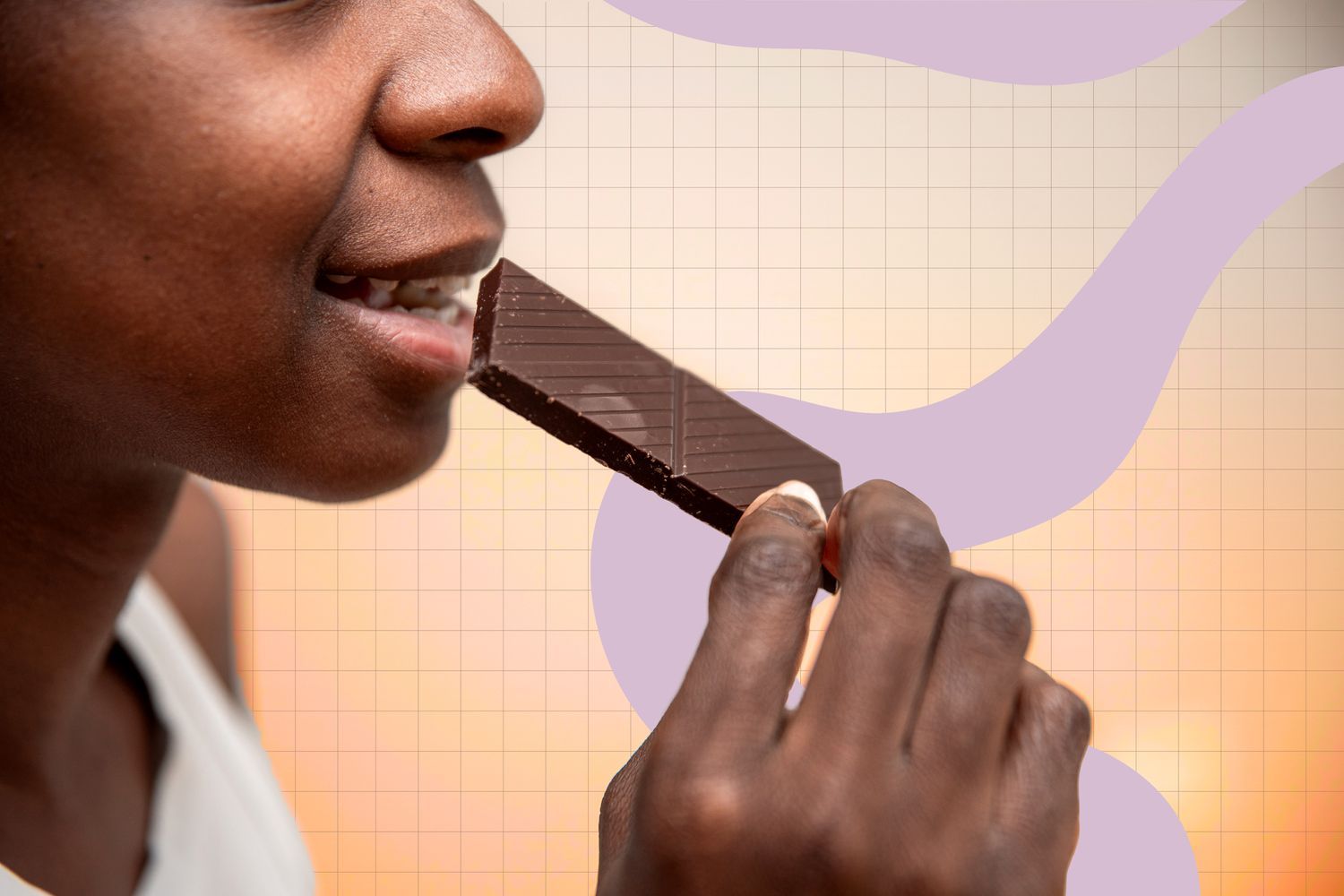
Dark chocolate, with its rich bitterness and high cocoa content, appeals to those who seek more than just sweetness — they seek complexity, boldness, and depth. This isn’t a chocolate that conforms to traditional expectations of indulgence. It carries intensity and maturity, which often resonates with girls who have a more developed palate or who enjoy life’s bittersweet edges. Girls who favor dark chocolate are often perceived as independent thinkers — confident in their choices, conscious of health, and drawn to deeper experiences.
There’s also a growing recognition of its health benefits — antioxidants, mood-boosting flavonoids, and low sugar content make dark chocolate a guiltless pleasure for the wellness-aware generation. But more than health, it’s about the sensation. The slow melt, the slight bitterness, the rich aroma — they all combine into a ritual that feels almost intellectual. Choosing dark chocolate is like ordering espresso instead of a caramel latte — it signals sophistication, rebellion, and a taste for the strong and the real.
White chocolate doesn’t follow the rules. It lacks the cocoa solids that define traditional chocolate, yet it still holds a significant place in the chocolate family — especially for those with a love for creamy, buttery, and ultra-sweet indulgences. Often dismissed by purists, white chocolate embraces its own identity, offering a luxurious texture and a taste profile that is unapologetically sweet and smooth. For girls who prefer this variety, it’s not just about taste — it’s about expressing uniqueness.
These are the girls who don’t conform, who enjoy standing out, who treat chocolate as fun rather than tradition. White chocolate carries an aesthetic flair too — think pastel-covered bonbons, white truffles, and elaborate desserts. It’s romantic, playful, and light-hearted. In a way, loving white chocolate can be a quiet rebellion against the expectations of taste — a choice that says, “I know what I like, and I don’t need approval.”
The undeniable truth is this — chocolate makes people feel better, and science supports it. For many girls, emotional fluctuations are part of their lived experience, shaped by hormonal cycles, stress, and social dynamics. Chocolate becomes more than a snack; it’s a lifeline to balance. The serotonin released upon consumption improves mood, while magnesium helps with relaxation, and the endorphins create a sense of euphoria. During emotionally turbulent times — anxiety, sadness, premenstrual symptoms — girls often instinctively reach for chocolate.

It’s a way to regulate emotions without saying a word. It’s not about being emotionally fragile; it’s about understanding what works. In the complex web of modern life, where pressures come from every angle, chocolate provides a pause button. A moment of stillness. A small, delicious rebellion against overwhelm. For that reason alone, chocolate is often kept close — in a purse, a drawer, or even under a pillow — always ready to rescue the moment.
Chocolate has always been linked to romance — from Valentine's Day hearts to anniversary boxes. But for girls, it’s not just about being gifted chocolate; it’s about the emotional ritual of choosing it for themselves. Buying a chocolate bar, unwrapping it slowly, and savoring it bite by bite can be a deeply personal act of self-care. It’s not about indulgence for indulgence’s sake, but about taking control of pleasure on one’s own terms. Chocolate, in this context, becomes an expression of identity.
The kind of chocolate a girl chooses can reflect how she sees herself — bold, playful, classic, or unconventional. It becomes an edible metaphor for who she is and how she treats herself. Whether it’s enjoyed alone in silence or shared with someone special, chocolate plays a symbolic role in affirming worth, love, and agency. It’s not just the food of romance; it’s the food of self-love.
In the end, chocolate isn't just a food — it’s a language. Each type of chocolate communicates something different, and the reasons why girls gravitate toward it are as nuanced as the flavors themselves. From the creamy calm of milk chocolate to the fierce depth of dark, and the carefree lightness of white, chocolate satisfies more than just cravings. It meets emotional needs, marks personal moments, and becomes a constant in a world full of change. Girls don’t love chocolate because of marketing or stereotypes. They love it because it listens, it comforts, and it delivers — every single time.





1 comment
edc001
11mo ago
I took time to read this piece and it is amazing!!