
Your Read is on the Way
Every Story Matters
Every Story Matters
The Hydropower Boom in Africa: A Green Energy Revolution Africa is tapping into its immense hydropower potential, ushering in an era of renewable energy. With monumental projects like Ethiopia’s Grand Ethiopian Renaissance Dam (GERD) and the Inga Dams in the Democratic Republic of Congo, the continent is gearing up to address its energy demands sustainably while driving economic growth.
Northern Kenya is a region rich in resources, cultural diversity, and strategic trade potential, yet it remains underutilized in the national development agenda.

Can AI Help cure HIV AIDS in 2025

Why Ruiru is Almost Dominating Thika in 2025

Mathare Exposed! Discover Mathare-Nairobi through an immersive ground and aerial Tour- HD

Bullet Bras Evolution || Where did Bullet Bras go to?
Childbirth is one of the most powerful and natural experiences a woman goes through. Alongside contractions, back pain, and intense pressure, many expectant mothers report an unusual but common sensation: the urge to poop right before or during labor. While it can feel embarrassing, this urge is a normal, healthy sign that the body is doing exactly what it is supposed to do in preparation for delivery.
During the final stages of labor, the baby begins moving deeper into the pelvis, gradually descending into the birth canal. As the baby’s head pushes lower, it comes into direct contact with the rectum and surrounding nerves. This pressure triggers sensations that are almost identical to needing a bowel movement.
Many women cannot always distinguish between the urge to push the baby out and the feeling of needing to pass stool. This overlap is because both actions involve similar muscles and nerves in the pelvic floor.
Hormones play a crucial role in childbirth, and some of them directly affect the digestive system. In particular, prostaglandins are released during early labor to soften the cervix and stimulate uterine contractions. A side effect of prostaglandins is that they can also stimulate bowel activity, leading to loose stools or frequent trips to the bathroom just before or during labor.
This is not a coincidence—it is the body’s natural cleansing mechanism, designed to clear the rectum and make more space in the pelvis for the baby to pass through.
Contractions are powerful, rhythmic tightening of the uterine muscles that help push the baby downward. Interestingly, the sensation of contractions often feels very similar to bowel movement cramps. Both experiences involve strong abdominal pressure, pelvic muscle engagement, and lower back involvement.
This is why many women are surprised to discover that what feels like the need to poop is the body preparing for the final pushing stage of labor.
It is extremely common for women to experience diarrhea or loose stools in the hours before active labor begins. Far from being an inconvenience, this is a clever way for the body to:
-Clear out the intestines and rectum.
-Reduce the chance of obstruction during the baby’s descent.
-Prevent excessive straining on the digestive tract during pushing.
In many cases, even if a woman feels like she might poop while pushing, the medical team is completely prepared for it and handles the situation discreetly. For healthcare providers, this is simply part of the birthing process.
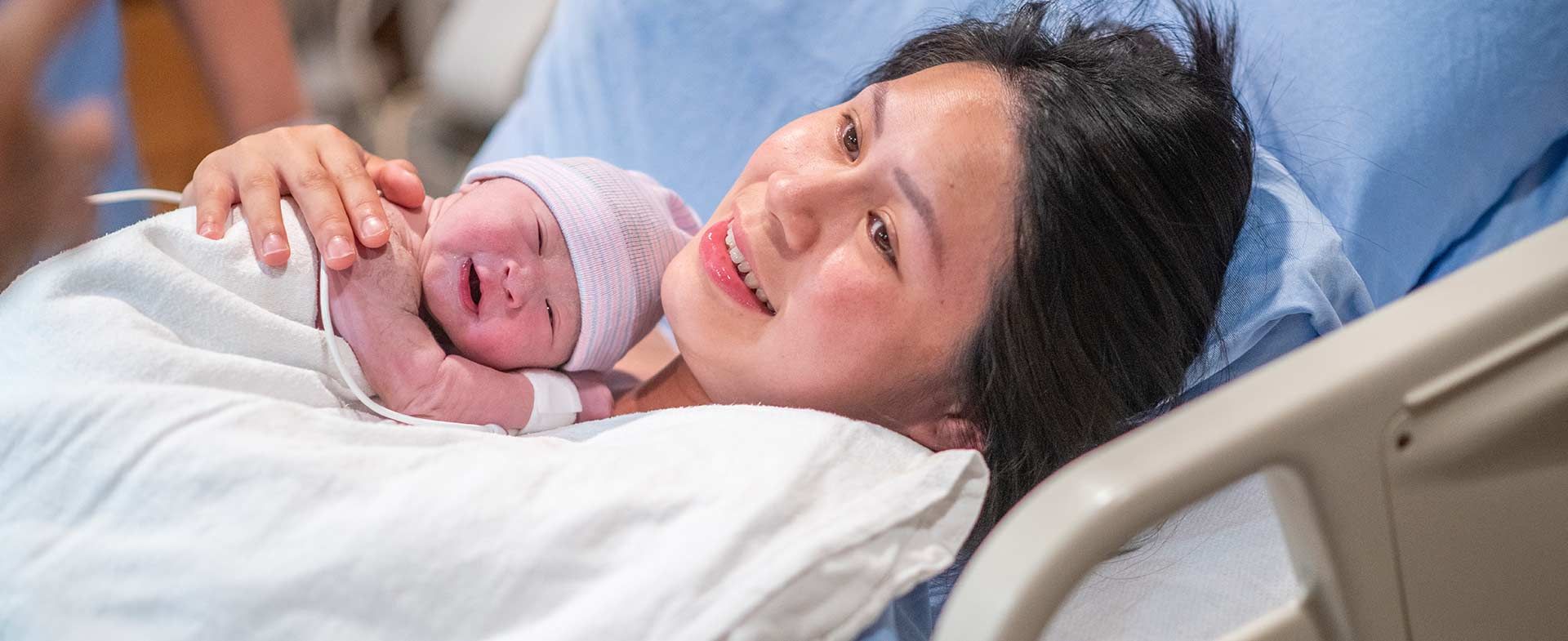
Though it can feel uncomfortable or embarrassing, the urge to poop is a very positive sign. It usually means:
-The baby has descended low into the pelvis.
-The body is correctly aligned for the pushing stage.
-Labor is progressing toward delivery.
For many women, this sensation is the body’s way of signaling that it’s almost time to meet the baby.
Many mothers worry about accidentally pooping during labor. This anxiety can sometimes make them feel self-conscious or even hold back during pushing. However, it’s important to remember that:
-Medical staff see this happen frequently—it is a normal part of childbirth.
-It is usually very minor and cleaned up quickly, often without the mother even noticing.
-The focus of doctors and midwives is always on the safe delivery of the baby, not on the stool.
By understanding the science behind it, women can let go of embarrassment and focus instead on the miracle of childbirth.
Conclusion
The urge to poop during labor happens because of baby’s head pressure, hormonal changes, and contractions that mimic bowel cramps. It is not only normal but also a sign that labor is progressing well and that the body is getting ready for delivery. Rather than seeing it as an awkward moment, expectant mothers can view it as another example of the body’s natural wisdom in preparing for birth.






0 comments