
Your Read is on the Way
Every Story Matters
Every Story Matters
The Hydropower Boom in Africa: A Green Energy Revolution Africa is tapping into its immense hydropower potential, ushering in an era of renewable energy. With monumental projects like Ethiopia’s Grand Ethiopian Renaissance Dam (GERD) and the Inga Dams in the Democratic Republic of Congo, the continent is gearing up to address its energy demands sustainably while driving economic growth.
Northern Kenya is a region rich in resources, cultural diversity, and strategic trade potential, yet it remains underutilized in the national development agenda.

Can AI Help cure HIV AIDS in 2025

Why Ruiru is Almost Dominating Thika in 2025

Mathare Exposed! Discover Mathare-Nairobi through an immersive ground and aerial Tour- HD

Bullet Bras Evolution || Where did Bullet Bras go to?
Children are naturally curious beings, constantly seeking to understand the world around them. Playing in the dirt provides a unique sensory experience that stimulates their sense of touch, smell, and sometimes even taste. The varied textures—from dry dust to moist soil—offer endless opportunities for discovery.
When children dig, scoop, and shape the dirt, they engage in a form of hands-on learning that encourages cognitive development. This direct contact with nature allows them to explore scientific concepts like cause and effect, texture differences, and environmental changes in a way that books or screens cannot replicate.
Playing in the dirt is not only fun but also supports physical development. The act of digging, scooping, and patting soil helps enhance both fine motor skills (small movements using hands and fingers) and gross motor skills (larger movements involving the arms, legs, and body). Manipulating soil strengthens hand-eye coordination and muscle control, which are essential for other activities such as writing and sports.
Beyond physical growth, dirt play fosters problem-solving and planning skills as children decide how to build structures, create shapes, or dig tunnels, thus enhancing their cognitive abilities.
Modern lifestyles often limit children's time outdoors, but those who play in natural settings like gardens or parks benefit emotionally and psychologically. Contact with soil and natural surroundings helps children develop a deep connection with nature, fostering appreciation and respect for the environment.
Additionally, outdoor play in dirt has been shown to reduce stress and anxiety levels. The sensory engagement with soil, combined with fresh air and physical activity, promotes the release of endorphins—natural mood lifters—helping children feel happier and more relaxed.
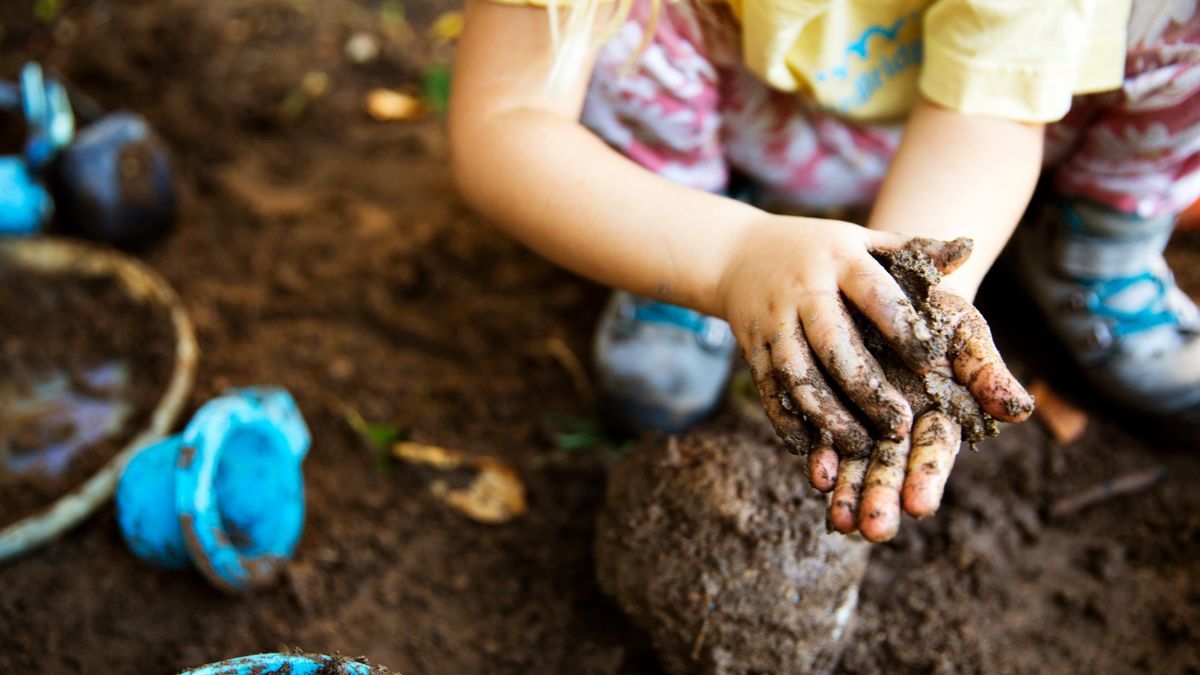
One of the less obvious but scientifically supported reasons kids enjoy playing in dirt is the positive impact it has on their immune systems. Soil contains a wide variety of microbes that, when introduced to the body in moderate amounts, help train and strengthen the immune response.
This microbial exposure has been linked to lower rates of allergies, asthma, and autoimmune conditions in children who spend more time outdoors interacting with natural elements. Essentially, playing in dirt acts like a natural inoculation, preparing the immune system to handle harmful pathogens.
Playing in the dirt often involves group activities such as making mud pies, building castles, or digging holes, which require teamwork, sharing, and communication. These social interactions help children develop important interpersonal skills and emotional intelligence.
Furthermore, the open-ended nature of dirt play fosters creativity and imagination, allowing children to invent stories and games based on their surroundings. For instance, a simple pile of soil can become a mountain to climb, a baking mix for pretend cooking, or a habitat for imaginary creatures, encouraging imaginative thinking and problem-solving.
While playing in dirt offers many benefits, it is important to ensure safe environments for children. Parents and caregivers should encourage play in clean soil away from contaminated areas, such as those exposed to chemicals or animal waste.
Teaching children to wash their hands thoroughly after dirt play is essential to prevent infections. When managed carefully, dirt play remains a healthy and enriching activity for childhood development.






0 comments