
Your Read is on the Way
Every Story Matters
Every Story Matters
The Hydropower Boom in Africa: A Green Energy Revolution Africa is tapping into its immense hydropower potential, ushering in an era of renewable energy. With monumental projects like Ethiopia’s Grand Ethiopian Renaissance Dam (GERD) and the Inga Dams in the Democratic Republic of Congo, the continent is gearing up to address its energy demands sustainably while driving economic growth.
Northern Kenya is a region rich in resources, cultural diversity, and strategic trade potential, yet it remains underutilized in the national development agenda.

Can AI Help cure HIV AIDS in 2025

Why Ruiru is Almost Dominating Thika in 2025

Mathare Exposed! Discover Mathare-Nairobi through an immersive ground and aerial Tour- HD

Bullet Bras Evolution || Where did Bullet Bras go to?
We tend to believe that consciousness lives in the same parts of the brain that handle logic and language—areas that evolved most recently and define human intelligence. The prefrontal cortex, often viewed as the conductor of the brain’s orchestra, governs reasoning, social behavior, planning, and personality. It has long been suspected as the very throne of conscious experience. But a sweeping new international study suggests that this assumption may be more mythology than fact.
In a coordinated effort across 12 laboratories on three continents, researchers observed brain activity in 256 participants while they were exposed to simple images—faces, objects, shapes. Using a combination of imaging technologies to capture brain blood flow, electrical pulses, and magnetic fields, the researchers aimed to pinpoint where consciousness "lights up" the brain. What they found was unexpected: the most consistent and vivid signatures of conscious experience did not arise in the frontal lobes at all.
Instead, the action was happening in the back of the brain—in sensory zones traditionally associated with processing sight, sound, and other input. This revelation calls into question the assumed role of our most evolutionarily advanced regions in producing raw awareness.
To make sense of consciousness, science has leaned heavily on two prominent frameworks. The Global Neuronal Workspace Theory places consciousness in the frontal regions, arguing that it results from widespread broadcasting of important information throughout the brain. Meanwhile, the Integrated Information Theory proposes that awareness arises from the brain’s ability to fuse information across various regions into a unified experience.
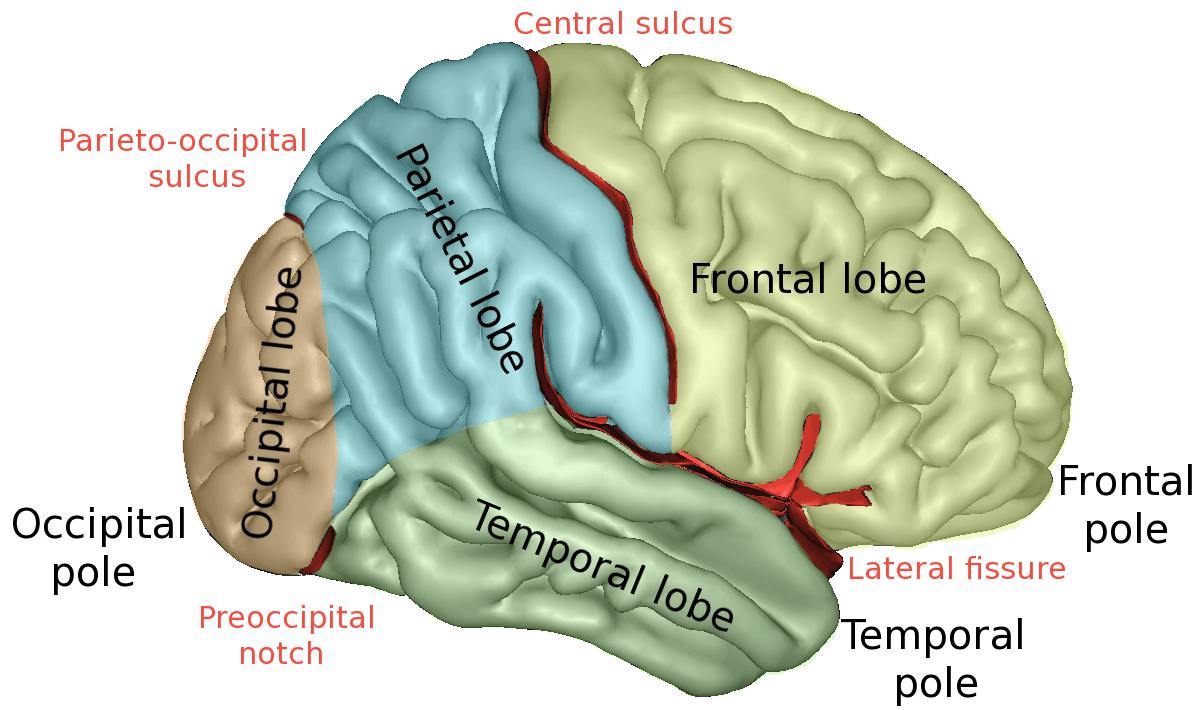
The new findings, however, defy both. The data showed weak or inconsistent conscious signals in the frontal cortex, and while activity in the posterior regions was strong, it didn’t show the kind of lasting integration the latter theory requires. In short, neither theory could fully explain where and how consciousness resides.
Why does this matter beyond intellectual curiosity? Because understanding consciousness has real-world consequences, especially in medicine. Every year, thousands of patients fall into comas or vegetative states. Doctors must determine whether these individuals retain any awareness—decisions that can lead to withdrawing life support.
Currently, 70 to 90 percent of patients in persistent unresponsive states die following such decisions. Yet studies now suggest that as many as one in four of these individuals may still be "there," mentally awake but unable to respond—a phenomenon called covert consciousness.
If awareness truly arises in sensory zones at the brain’s rear, future clinical tools may be able to scan these regions more precisely for signs of consciousness. That could lead to breakthroughs in diagnosing locked-in patients—those who are mentally alert but physically paralyzed. It also sharpens ethical debates around end-of-life care. If we misread the signals, we may be extinguishing lives that are still consciously experiencing the world from within.
The study doesn’t close the book on the mystery of consciousness—it opens a new chapter. By challenging entrenched beliefs and exposing the blind spots in our theories, it pushes science to reconsider what it means to "be aware." Consciousness might not be tied to our ability to think abstractly or speak, but rather to something much older and more primal: the ability to feel, see, and experience the world from within.
Wherever consciousness truly resides, one thing is clear: our understanding of the mind is only just beginning. The brain continues to guard its deepest secret—what it feels like to be alive—and science has only started to ask the right questions.






2 comments
edc001
11mo ago
Makes me wonder if the heart has anything to do with this
edc001
11mo ago
This was insightful