
Your Read is on the Way
Every Story Matters
Every Story Matters
The Hydropower Boom in Africa: A Green Energy Revolution Africa is tapping into its immense hydropower potential, ushering in an era of renewable energy. With monumental projects like Ethiopia’s Grand Ethiopian Renaissance Dam (GERD) and the Inga Dams in the Democratic Republic of Congo, the continent is gearing up to address its energy demands sustainably while driving economic growth.
Northern Kenya is a region rich in resources, cultural diversity, and strategic trade potential, yet it remains underutilized in the national development agenda.

Can AI Help cure HIV AIDS in 2025

Why Ruiru is Almost Dominating Thika in 2025

Mathare Exposed! Discover Mathare-Nairobi through an immersive ground and aerial Tour- HD

Bullet Bras Evolution || Where did Bullet Bras go to?
You gently lay your toddler down, unfasten the tabs of a soggy diaper, toss it aside—then, as if on cue, a golden stream soaks the changing pad. You stare in disbelief, unsure whether to laugh, sigh, or grab another towel. This scene is all too familiar to parents and caregivers everywhere, and while it may seem like toddlers have a knack for poor timing, there’s actually a rich, layered explanation behind why this keeps happening. What seems like a frustrating or even mischievous act is, in truth, a window into your child’s developing nervous system, behavioral conditioning, and sensory experience of the world.
One of the primary culprits behind this spontaneous pee party is the dramatic change in temperature that occurs the moment a diaper is removed. Diapers, especially modern disposable types, are designed to keep moisture locked in while maintaining a warm environment. So when that warm cocoon is suddenly peeled away, the skin is met with a rush of cooler air—particularly around the sensitive abdominal and genital areas. This cool exposure acts like a jolt to the system, triggering an involuntary bladder release in many toddlers.
This phenomenon is not unlike the reflexive urination you might see when placing a baby into a warm bath. The body responds to these sensory shifts without the child even realizing it.
In other words, your child isn’t thinking, “This would be the perfect time to pee on the rug.” Their body is responding to a stimulus in a way that’s completely outside their conscious control. And because toddlers are still figuring out how to interpret and respond to bodily sensations, the brain doesn’t always get a chance to weigh in before nature takes its course.
Another major factor at play is the ongoing development of your child’s nervous system. While adults have a well-established communication loop between their bladder and brain—allowing them to delay urination until it’s socially or physically appropriate—toddlers are still working on forming that loop. In infants and very young children, the bladder contracts and empties without much input from the brain. The urge to go is followed almost immediately by the act of going, and there’s very little ability to resist or hold it in.
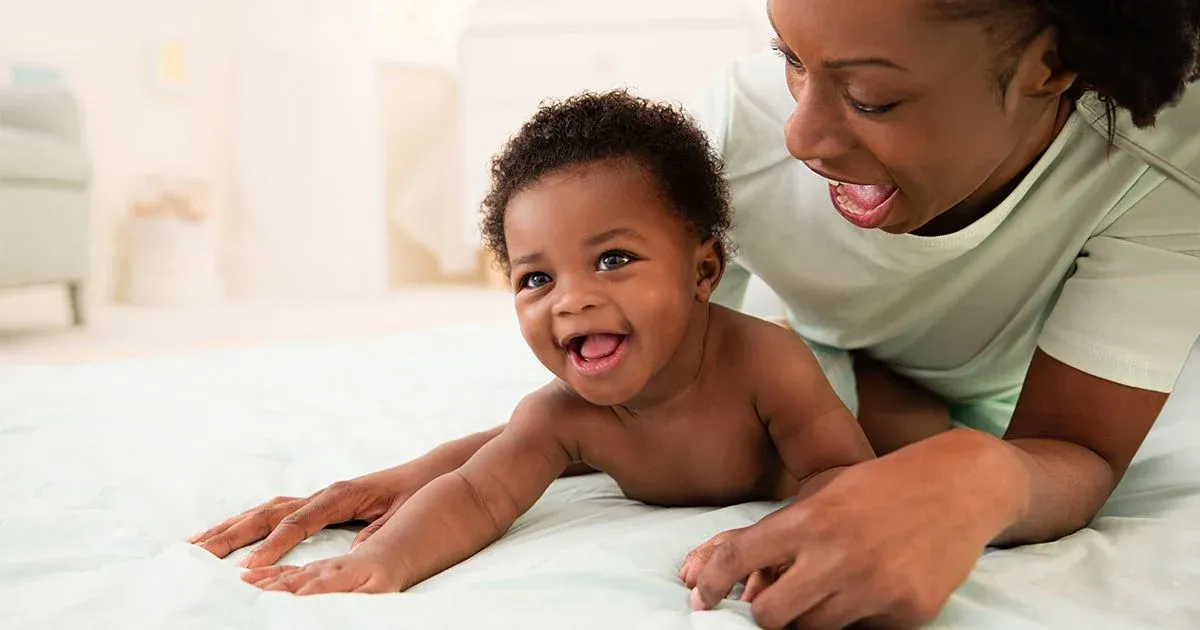
This means that even if your toddler is beginning to grasp the concept of using the potty or showing signs of awareness when they need to go, their body may not yet be physically ready to control those impulses. When a diaper is removed and they feel that little internal nudge, the signal travels fast—and they simply don’t have the neurological brakes to stop it.
There’s also a behavioral layer to consider. Over time, children form associations between recurring events and bodily functions. If a child often pees during or shortly after diaper changes, their brain may start linking the act of diaper removal with urination. This is a classic example of unintentional conditioning. What starts as a sensory or reflexive response becomes a kind of routine, even a ritual. In your child’s mind, no diaper equals green light.
This behavioral loop can work against potty training efforts if not gently redirected. However, it can also be harnessed as a tool. By placing a toddler on a potty seat immediately after removing their diaper, parents can begin to rewire those associations and teach their child that no diaper doesn’t mean pee wherever—it means try to go in the potty instead.
Another reason this phenomenon is so common is simply a matter of timing. In many cases, a child was already close to needing to pee before the diaper came off. Perhaps they had been holding it for a short while, distracted by play or unable to express the urgency. When the diaper is removed, the sensation of freedom—combined with any cool air or gentle pressure—may cause that built-up need to suddenly release.
The timing window between “I might need to pee” and “Oops, I already did” is incredibly short in toddlers. This is why so many parents report their kids peeing just seconds after a diaper change begins. Learning to anticipate those moments, especially around key times like waking up, after meals, or after drinking fluids, can help you stay one step ahead of the surprise.
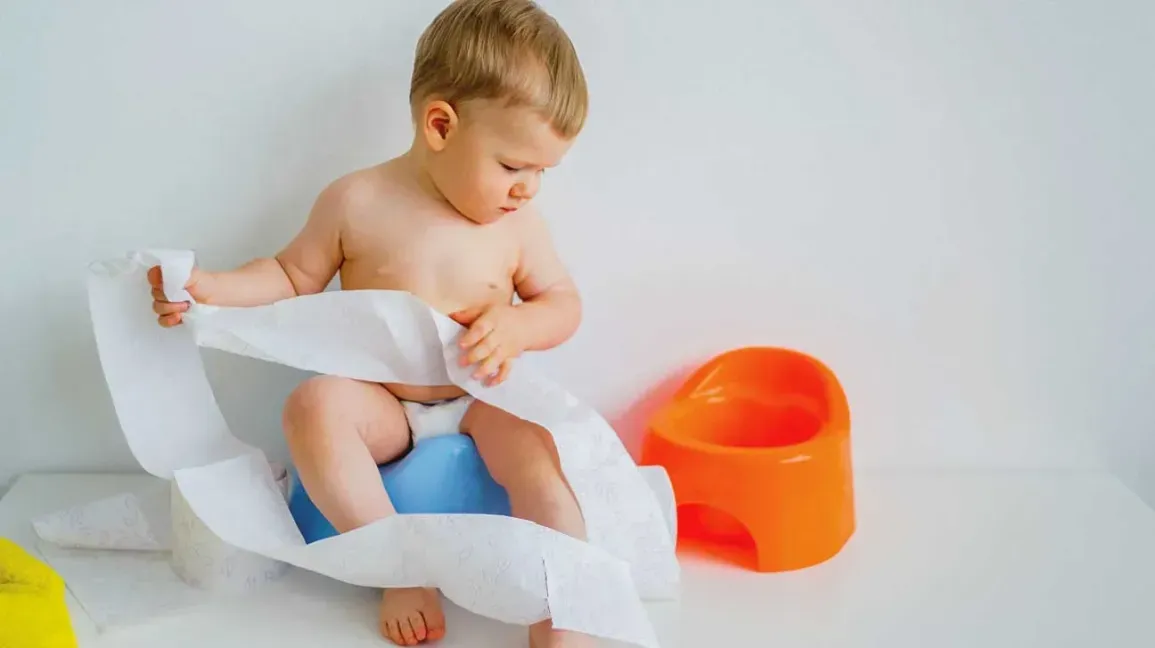
Though it might be exasperating, there are several techniques parents can try to minimize those unexpected post-diaper puddles. First, keep a potty within arm’s reach during changes. Even if your toddler doesn’t use it every time, the mere act of offering it reinforces a positive association. Next, consider using a warm cloth or blanket during changes to buffer the cold air exposure and reduce that sudden sensory shock. Timing diaper changes around known pee patterns—such as after meals or naps—can also help.
It’s important to adopt a positive and patient tone throughout. Never shame a child for peeing unexpectedly. Instead, use encouraging words, celebrate small wins, and build trust around the process. If accidents happen, they’re part of the journey. Kids need repetition and reassurance to build long-term habits, and staying calm will help them feel secure and willing to participate.
Ultimately, toddlers peeing right after a diaper comes off is just another step in the messy, beautiful marathon of early childhood. It’s not defiance, it’s not manipulation, and it’s definitely not personal. It’s the interplay between instinct, biology, and growing awareness—wrapped in a slightly damp package. With patience, observation, and a few creative strategies, this phase too shall pass.
What feels like chaos today will one day be a funny memory you tell your teenager. Until then, keep the extra towels nearby, know it’s all part of the process, and take comfort in the fact that your child is growing, learning, and responding exactly the way they were meant to.






1 comment
edc001
11mo ago
Oh Aisha, you are nailing it just as it is supposed to be. Meanwhile, my towels are on standby, just in case.😆🤣🤣