
Your Read is on the Way
Every Story Matters
Every Story Matters
The Hydropower Boom in Africa: A Green Energy Revolution Africa is tapping into its immense hydropower potential, ushering in an era of renewable energy. With monumental projects like Ethiopia’s Grand Ethiopian Renaissance Dam (GERD) and the Inga Dams in the Democratic Republic of Congo, the continent is gearing up to address its energy demands sustainably while driving economic growth.
Northern Kenya is a region rich in resources, cultural diversity, and strategic trade potential, yet it remains underutilized in the national development agenda.

Can AI Help cure HIV AIDS in 2025

Why Ruiru is Almost Dominating Thika in 2025

Mathare Exposed! Discover Mathare-Nairobi through an immersive ground and aerial Tour- HD

Bullet Bras Evolution || Where did Bullet Bras go to?
Street food in Kenya is more than just a quick meal—it is an experience that connects people across different walks of life. From the bustling streets of Nairobi to smaller towns and rural markets, vendors set up stalls filled with sizzling grills, aromatic spices, and colorful displays of fresh produce. Street food serves as a meeting point where people gather to share meals, laughter, and stories.
It is affordable, convenient, and often deeply rooted in tradition, with recipes passed down through generations. For many Kenyans, enjoying a snack on the go is as much about savoring the flavors as it is about celebrating the vibrant culture of community and hospitality.
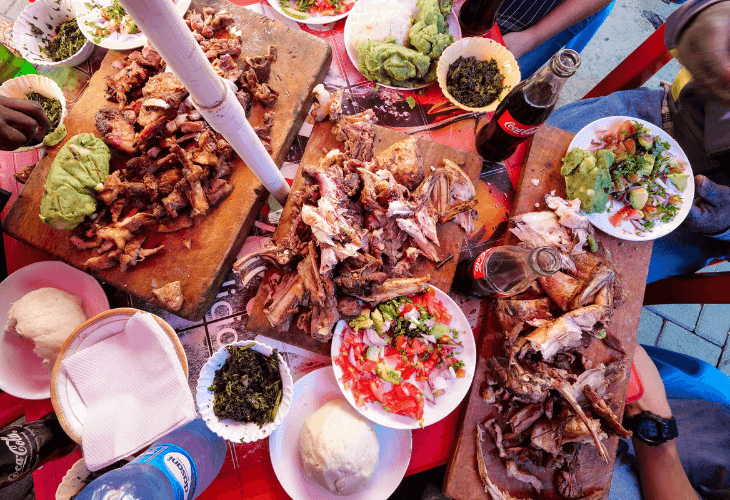
No discussion of Kenyan street food is complete without mentioning nyama choma, which literally translates to “roasted meat.” This delicacy, typically goat or beef, is slow-roasted over open flames, giving it a smoky and tender flavor that is simply irresistible.
Served with kachumbari—a fresh salad of tomatoes, onions, and chilies—it is a favorite for social gatherings. Nyama choma is not just a food but an experience of togetherness, often shared in roadside eateries known as vibandas. Its popularity extends beyond Kenya’s borders, making it an iconic dish that embodies Kenyan hospitality and love for grilled meat.
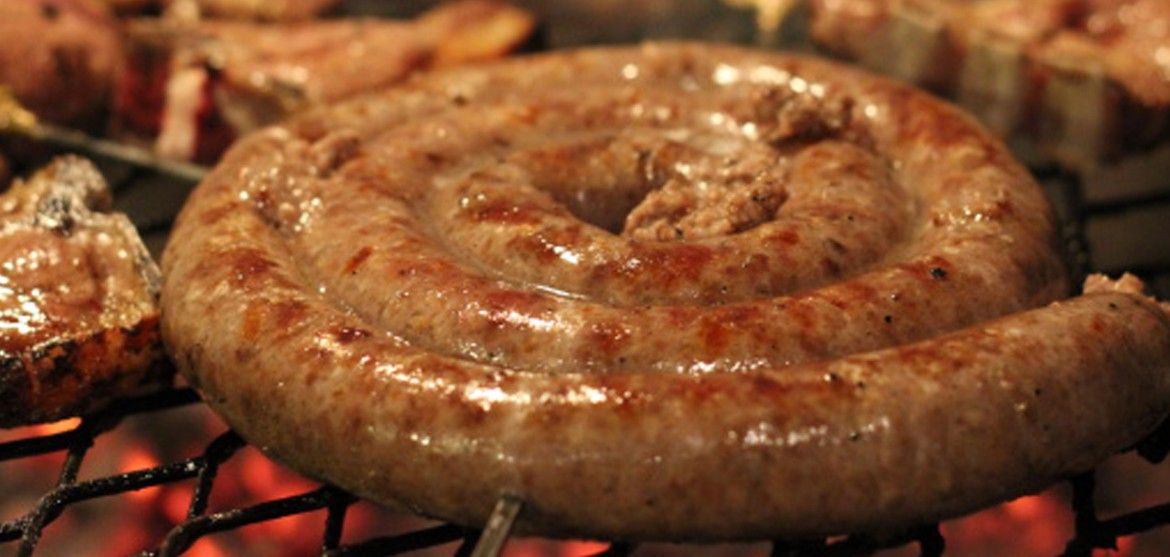
Mutura, sometimes referred to as the “African sausage,” is another street food staple that holds a special place in Kenyan cuisine. Traditionally made from minced meat, onions, and spices stuffed into goat intestines, mutura is grilled over hot coals until it achieves a rich, smoky flavor. Its taste is distinctive, often spiced with herbs and chili, making it a must-try for adventurous eaters.
In many communities, mutura is more than just a snack; it is a cultural delicacy enjoyed during family gatherings, especially after ceremonies. Street vendors across towns keep the tradition alive, offering this treat to late-night crowds looking for a hearty bite.
Kenya’s coastal communities, heavily influenced by Indian cuisine, have introduced flavorful snacks such as bhajias and samosas to the street food scene. Bhajias are thin slices of potato dipped in spiced gram flour batter and deep-fried until golden and crispy. They are typically served with a tangy chutney or tomato sauce, making them a favorite for both young and old.
Samosas, on the other hand, are triangular pastries filled with minced meat, lentils, or vegetables, spiced with garlic, ginger, and coriander. These snacks, found on nearly every corner in Mombasa and beyond, reflect the cultural fusion that defines Kenya’s food heritage.
Beyond meat and fried snacks, Kenya’s street food also features chapati and mandazi, which provide affordable comfort for many. Chapati, a soft flatbread of Indian origin, is usually enjoyed with beans, stew, or tea, and has become a beloved part of daily meals. On the sweeter side, mandazi—sometimes called “Swahili doughnuts”—are triangular fried pastries that are slightly sweet and flavored with coconut or cardamom.
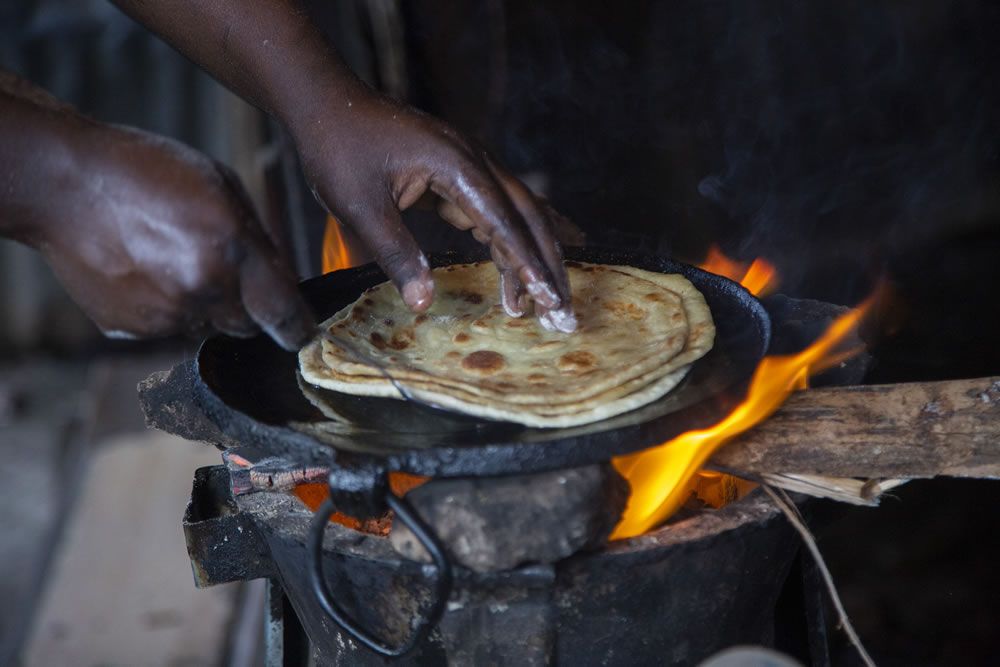
Sold fresh in the mornings or evenings, mandazi pairs perfectly with chai and is a go-to snack for people on the move. Both chapati and mandazi are not just foods but symbols of warmth and homeliness.
Some of the simplest Kenyan street foods are also the most beloved. Roasted maize, charred over open fires and sprinkled with chili and lemon salt, is perhaps the most iconic snack sold along highways and city streets. It is cheap, filling, and a nostalgic reminder of childhood for many Kenyans.
Similarly, ugali, though more commonly a home-cooked staple, is often served at street joints with sukuma wiki (collard greens) or fried fish. These foods represent the accessibility of Kenyan cuisine—affordable, nutritious, and deeply woven into the country’s identity.
Kenyan street food tells the story of a nation that blends diverse cultures, traditions, and modern tastes. From indigenous recipes like mutura and roasted maize to coastal delights like samosas and bhajias, the variety reflects Kenya’s rich cultural tapestry. Street food remains an essential part of daily life, providing not only nourishment but also a sense of belonging and celebration.
As Kenya’s cities continue to grow and modernize, its street food culture endures, offering locals and visitors alike a chance to taste authentic flavors while experiencing the spirit of community.





0 comments