
Your Read is on the Way
Every Story Matters
Every Story Matters
The Hydropower Boom in Africa: A Green Energy Revolution Africa is tapping into its immense hydropower potential, ushering in an era of renewable energy. With monumental projects like Ethiopia’s Grand Ethiopian Renaissance Dam (GERD) and the Inga Dams in the Democratic Republic of Congo, the continent is gearing up to address its energy demands sustainably while driving economic growth.
Northern Kenya is a region rich in resources, cultural diversity, and strategic trade potential, yet it remains underutilized in the national development agenda.
Can AI Help cure HIV AIDS in 2025

Why Ruiru is Almost Dominating Thika in 2025

Mathare Exposed! Discover Mathare-Nairobi through an immersive ground and aerial Tour- HD

Bullet Bras Evolution || Where did Bullet Bras go to?
Water is essential to survival, but when it turns toxic—through contamination or excess consumption—it becomes a serious health risk. Water poisoning is a broad term used to describe the harmful effects that occur when water either contains dangerous substances or is consumed in unsafe quantities.
It affects millions worldwide and manifests in ways ranging from mild illness to fatal complications.
In regions where clean water is a privilege rather than a guarantee, water poisoning remains one of the most underestimated public health threats.
There are two primary forms of water poisoning: chemical or biological contamination, and overhydration (water intoxication).
This occurs when drinking water is tainted with substances that are harmful to the body. Common contaminants include:
-Heavy metals such as lead, mercury, and arsenic
-Pesticides and fertilizers from agricultural runoff
-Industrial waste from factories and mining activities
-Bacteria, viruses, and parasites from untreated sewage or animal waste
-Chemical byproducts like chlorine residues and nitrates
When consumed regularly, even in small amounts, these toxins can accumulate in the body, causing serious health conditions over time.
Though less common, overhydration occurs when an individual drinks excessive amounts of water in a short period. This dilutes the sodium levels in the bloodstream, leading to a condition known as hyponatremia. As sodium helps regulate fluid balance in and out of cells, dangerously low levels can cause swelling in organs, especially the brain.
Symptoms of water intoxication include:
-Confusion or dizziness
-Headache and nausea
-Seizures
-Muscle cramps
-Loss of consciousness
-In severe cases, coma or death
This is often seen among athletes, soldiers, or individuals under extreme hydration regimens.
Water poisoning symptoms depend on the nature and concentration of the contaminant involved. The most frequent indicators include:
-Digestive distress: Nausea, vomiting, diarrhea
-Neurological issues: Headaches, confusion, memory loss
-Skin reactions: Rashes, itchiness, discoloration
-Fatigue and weakness
-Long-term conditions: Kidney damage, cancer, developmental delays (especially in children)
In many cases, symptoms don’t show up immediately, making the danger even more insidious.
Contaminated water is not just found in rivers or swamps—it often flows through taps, boreholes, and bottled water if not properly treated or stored.
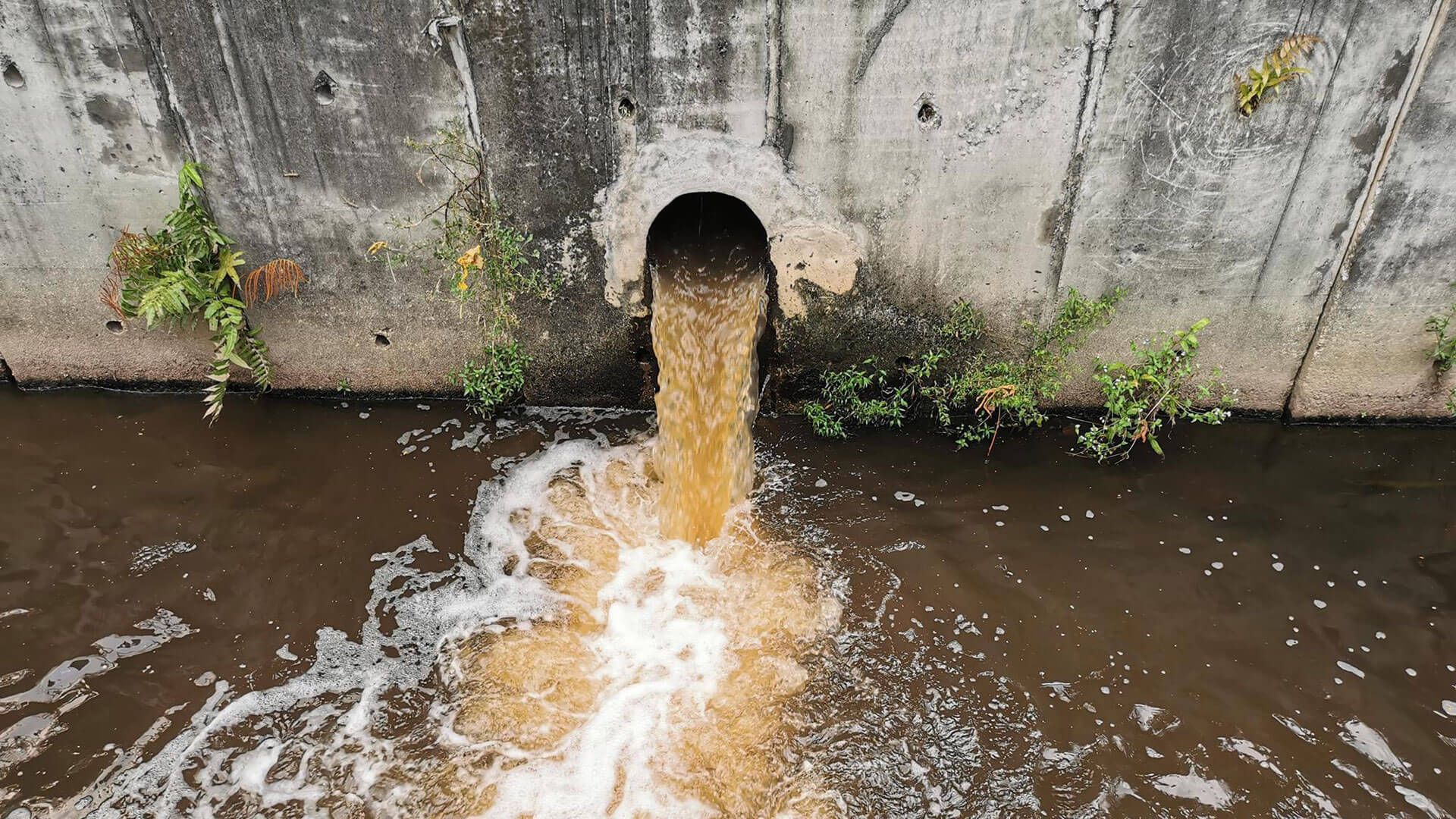
-Old plumbing systems with corroded lead pipes
-Rural wells that lack filtration or regular testing
-Flooded areas where sewage mixes with groundwater
-Unregulated bottling plants using untreated sources
- Improper water storage, especially in plastic exposed to heat
In Kenya and many other developing nations, densely populated informal settlements often rely on unsafe water sources, increasing the risk of outbreaks of cholera, typhoid, and other waterborne diseases.
The effects of water poisoning aren't always immediate. Repeated exposure can lead to chronic illnesses that are expensive to treat and irreversible in some cases.
Among the most serious long-term consequences are:
-Cancers of the bladder, liver, and kidneys (from arsenic or industrial waste)
-Neurological damage and developmental delays in children (from lead poisoning)
-Reproductive and hormonal disorders (due to endocrine-disrupting chemicals)
-Kidney and liver failure (from prolonged exposure to heavy metals)
Fighting water poisoning begins with prevention and awareness. Simple practices can go a long way in reducing risk.
-Boil water before drinking if its safety is uncertain
-Use proper filtration systems, especially in rural or peri-urban areas
-Have private wells tested regularly for common contaminants like arsenic and nitrates
-Avoid drinking from questionable sources during floods or droughts
-Advocate for better water infrastructure in your community
-Educate others about symptoms and risks of water poisoning
Water poisoning is a silent but persistent threat that cuts across socio-economic boundaries. Whether caused by industrial pollution, poor sanitation, or extreme hydration practices, the consequences are severe and often fatal if ignored. Clean, safe water is not just a basic need—it is a foundation of public health.
For communities to thrive, governments, organizations, and individuals must prioritize water safety and invest in long-term solutions. Because while water is meant to give life, without vigilance, it can also take it away.






0 comments