
Your Read is on the Way
Every Story Matters
Every Story Matters
The Hydropower Boom in Africa: A Green Energy Revolution Africa is tapping into its immense hydropower potential, ushering in an era of renewable energy. With monumental projects like Ethiopia’s Grand Ethiopian Renaissance Dam (GERD) and the Inga Dams in the Democratic Republic of Congo, the continent is gearing up to address its energy demands sustainably while driving economic growth.
Northern Kenya is a region rich in resources, cultural diversity, and strategic trade potential, yet it remains underutilized in the national development agenda.

Can AI Help cure HIV AIDS in 2025

Why Ruiru is Almost Dominating Thika in 2025

Mathare Exposed! Discover Mathare-Nairobi through an immersive ground and aerial Tour- HD

Bullet Bras Evolution || Where did Bullet Bras go to?
For the first six months, breast milk or formula is all your baby needs. But as that half-year milestone approaches, parents step into a whole new world: complementary feeding. This is the golden phase where solids join milk—not to replace it immediately, but to complement it. The goal? Fuel growth, build immunity, and establish a lifetime of healthy eating habits.
Let’s break down the best types of food to introduce after six months, based on nutritional value, safety, and developmental readiness—while also considering taste, texture, and cultural familiarity.
By 6 months, your baby’s natural iron stores (built up during pregnancy) start to wane. Iron is crucial for brain development and energy, so the first food group you introduce should contain this mineral.
Fortified cereals – Oatmeal or rice cereal fortified with iron, mixed with breast milk or formula for a smooth consistency.
Pureed meats – Beef, chicken, and turkey provide heme iron, which is more easily absorbed.
Lentils and beans – Well-cooked and mashed legumes are rich in iron and fiber, and also good for gut health.
Pro tip: Pair iron-rich foods with vitamin C sources like pureed fruits to enhance absorption.
Babies are hardwired to love sweetness. Introducing fruits early helps shape healthy cravings—plus, fruits are loaded with antioxidants, vitamins, and hydration.
Bananas – Easy to mash, naturally sweet, and rich in potassium.
Avocados – A creamy source of healthy fats for brain development.
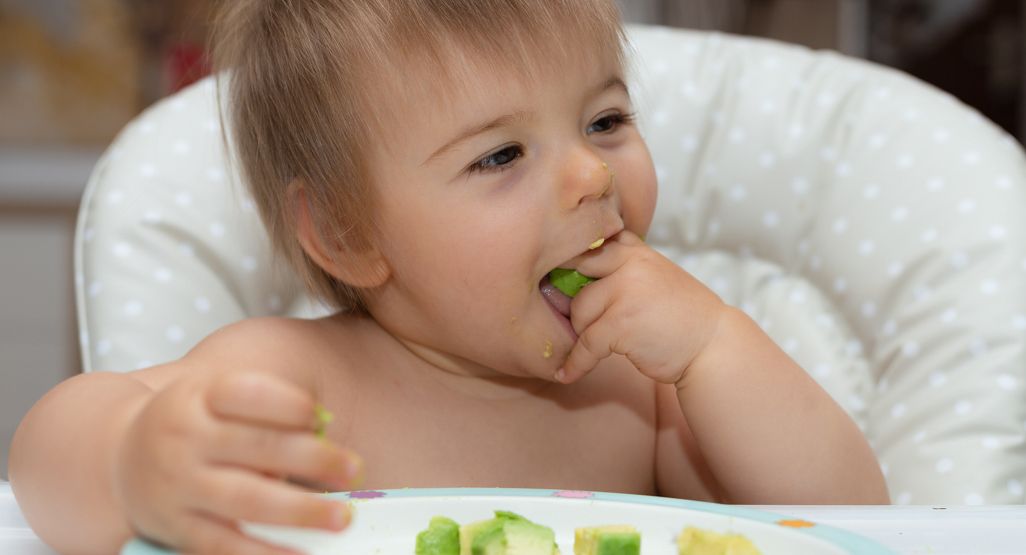
Apples and pears – Cooked and pureed, they’re gentle on the stomach and rich in fiber.
Keep in mind: No fruit juices at this stage—only whole fruit in soft or pureed forms.
Introduce vegetables early and often. Repeated exposure to the slightly bitter flavors of greens helps your child develop a broader palate.
Carrots, sweet potatoes, and pumpkin – Vibrant, sweet, and loaded with beta-carotene.
Peas and green beans – Slightly bitter but nutrient-dense. Start pureed, then move to lumpy textures.
Broccoli and spinach – Introduce after more neutral vegetables. Steam and puree to a smooth consistency.
Rotate options and don’t be discouraged by rejection—babies may need 8–10 tries before accepting a new flavor.
Gone are the days of delaying peanuts, eggs, and dairy. Early exposure (after 6 months and under pediatric guidance) may actually reduce the risk of allergies.
Peanut butter (thinned) – Mix a small amount with breast milk or pureed fruit.
Eggs – Well-cooked, mashed or scrambled.
Yogurt – Unsweetened, full-fat options rich in calcium and probiotics.
Caution: Always introduce potential allergens one at a time, waiting 3–5 days before adding another.
Diversifying grains early builds tolerance and provides complex carbs for energy.
Mashed rice, quinoa, or barley – Easy on digestion and full of fiber.
Toast or soft pasta – As pincer grasp develops, these can become perfect finger foods.
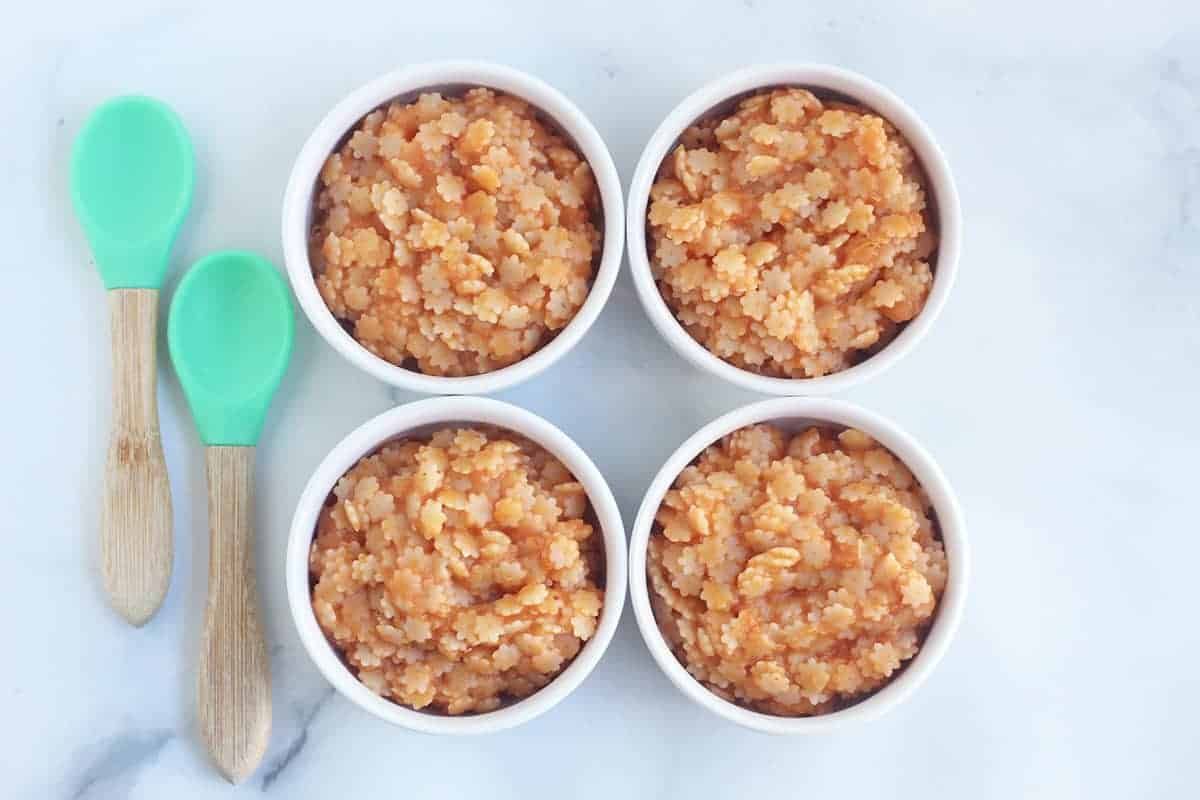
Oats – Cooked until soft, oats are versatile and filling.
Avoid refined or processed grains. Whole is always better.
While breast milk remains the primary source of hydration, small sips of water can be introduced with meals. Skip juices and sweetened drinks entirely.
Honey – Risk of infant botulism.
Whole nuts, hard chunks – Choking hazards.
Added salt and sugar – Babies’ kidneys and taste buds aren’t built for it.
Cow’s milk as a main drink – Wait until after the first year.
This phase isn't just about filling a baby’s tummy—it’s about building trust with food. Let your child touch, taste, explore, and sometimes even reject. Responsive feeding—where you follow your baby’s hunger and fullness cues—helps them develop a healthy relationship with food and sets the tone for a lifetime of smart choices.
You can also read this related article: Why Babies Should Be Exclusively Breastfed for the First 6 Months






0 comments