
Your Read is on the Way
Every Story Matters
Every Story Matters
The Hydropower Boom in Africa: A Green Energy Revolution Africa is tapping into its immense hydropower potential, ushering in an era of renewable energy. With monumental projects like Ethiopia’s Grand Ethiopian Renaissance Dam (GERD) and the Inga Dams in the Democratic Republic of Congo, the continent is gearing up to address its energy demands sustainably while driving economic growth.
Northern Kenya is a region rich in resources, cultural diversity, and strategic trade potential, yet it remains underutilized in the national development agenda.

Can AI Help cure HIV AIDS in 2025

Why Ruiru is Almost Dominating Thika in 2025

Mathare Exposed! Discover Mathare-Nairobi through an immersive ground and aerial Tour- HD

Bullet Bras Evolution || Where did Bullet Bras go to?
Kenya’s opposition isn’t short on voices—but it’s dangerously short on strategy. Caleb Amisi, the bold and unapologetic Saboti MP, has stepped forward with a rare combination of courage and clarity, delivering what many have feared to say aloud: the opposition’s current trajectory is a path to failure. Amisi is not dabbling in political idealism; he’s offering a war plan. With President William Ruto steadily entrenching his influence across traditional opposition territories, Amisi believes that unless radical change happens now, the next election is already lost.
What Amisi proposes isn’t a new coalition or a fresh party name—it’s a full-scale shift in political behavior. He wants the opposition to unlearn its habits, rewire its instincts, and rethink its definition of power. His words are not just a warning, but a challenge: evolve or be erased.
One of the most biting criticisms Amisi levels at the opposition is its detachment from the electorate. He paints a picture of a political class comfortable with the rituals of strategy meetings, five-star luncheons, and conference-room declarations, while ordinary Kenyans suffer through economic hardship, state neglect, and rising authoritarianism.
To Amisi, the problem isn’t just where the opposition is strategizing—it’s who they’re talking to. Political decisions made in boardrooms rarely reflect the pulse of the streets. He advocates for a gritty, sustained presence in every corner of the country, especially in rural strongholds where government promises often go unchecked. Rallies, community forums, door-to-door mobilization—Amisi sees these not as campaign tactics but as necessary tools of political survival. The message is clear: if you’re not where the people are, you don’t deserve their vote.
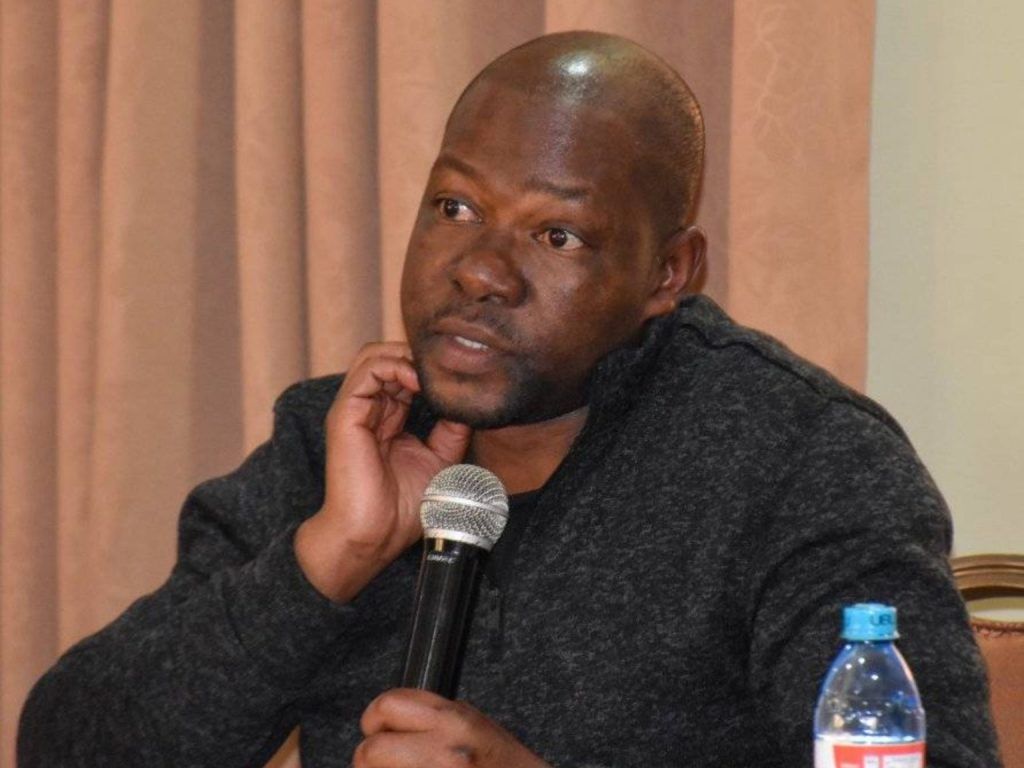
Amisi is deeply wary of the opposition’s fondness for splintering into rival camps every election cycle. In 2022, he notes, the proliferation of presidential candidates split the anti-Ruto vote and handed the presidency to a man who mastered the art of coalition-building and perception management. That mistake, he argues, cannot be repeated.
He insists that the opposition must begin uniting now—not in the final months before the election. Waiting until the heat of campaign season to negotiate alliances leads to fragile coalitions built on desperation, not conviction. A single candidate, chosen early and supported with total discipline, is the only viable counter to Ruto’s incumbency advantage. This isn’t about personalities, Amisi stresses—it’s about math, coordination, and sacrifice.
Amisi doesn’t mince words when addressing the treatment of Western Kenya, a region often used as a pawn in larger national games. He criticizes both opposition leaders and national players for reducing the region to a bargaining chip, courted during campaigns and ignored afterward. The people, he warns, are tired of being remembered only in election years.
Amisi proposes a strategy of regional empowerment—not just through policy promises, but through consistent presence, investment, and accountability. Western Kenya’s votes should not be assumed; they must be earned. The opposition must go beyond elite endorsements and engage directly with the disillusioned youth, the struggling farmers, and the unemployed graduates who feel politically orphaned. The days of parachuting in for photo-ops and vanishing after the ballot boxes are sealed must end.
Another vital part of Amisi’s blueprint is the Independent Electoral and Boundaries Commission (IEBC). He issues a stern warning: delaying the reconstitution of this body will not only cast a long shadow over 2027’s legitimacy but may also trigger civil unrest. Kenyans are watching—and so are international observers. If the opposition allows the IEBC issue to fester, it loses its moral high ground and gives Ruto the power to define the rules of the game.
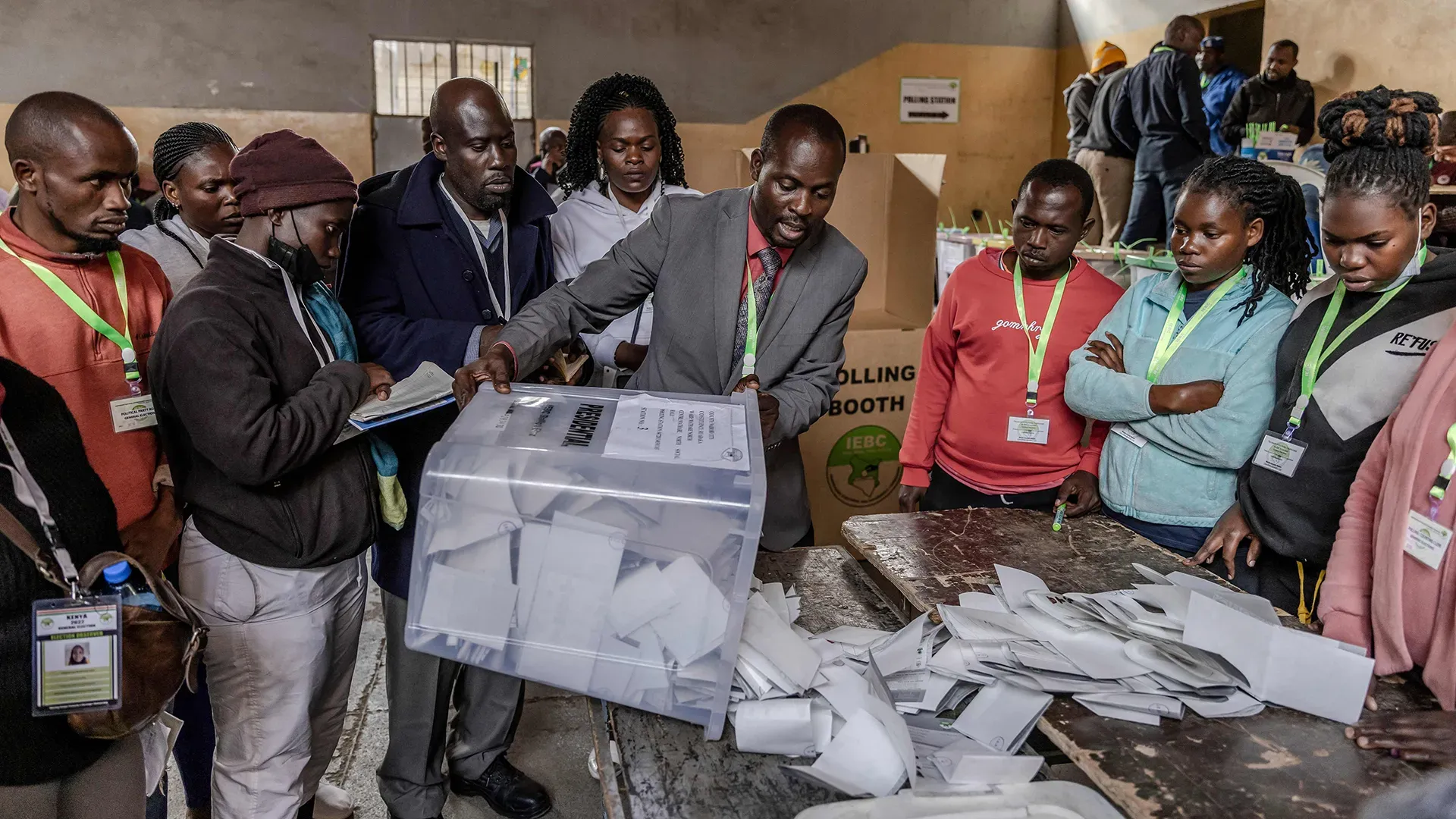
For Amisi, electoral integrity isn’t an abstract concern—it’s the foundation of democracy. He urges the opposition to mount pressure now, not later, to ensure that the IEBC is reformed, restructured, and ready well before the campaign period begins. This isn’t a procedural detail—it’s a battlefield.
While the opposition fumes and fragments, Amisi sees President Ruto quietly building an empire. From church pulpit alliances to bottom-up economic promises, Ruto has not wasted a single day consolidating his power. He has extended a hand into perceived enemy zones, offering jobs, roads, and opportunity—not always delivering, but always messaging.
This, Amisi warns, is where the danger lies. The president is not just fighting for votes; he’s psychologically occupying opposition territory. By the time traditional strongholds realize they’ve been co-opted, it may be too late. Amisi’s call to the opposition is urgent: don’t wait for Ruto to overstep—out-organize him now, or risk watching your political base dissolve under your feet.
In Amisi’s vision, 2027 is not about emotion—it’s about execution. The time for sentimental politics, historical loyalty, and inherited mandates is over. The next president of Kenya, he insists, will be the one whose team started planning in 2024, not 2026. Ruto is already running his reelection campaign. If the opposition waits until the final stretch to wake up, they’ll be running a postmortem instead.
This is more than an election cycle. For Caleb Amisi, it’s a generational fight for relevance, for equity, and for a country that can no longer afford recycled errors. And unless the opposition begins listening—and acting—his warnings may become their epitaph.






0 comments