The Hydropower Boom in Africa: A Green Energy Revolution
Africa is tapping into its immense hydropower potential, ushering in an era of renewable energy. With monumental projects like Ethiopia’s Grand Ethiopian Renaissance Dam (GERD) and the Inga Dams in the Democratic Republic of Congo, the continent is gearing up to address its energy demands sustainably while driving economic growth.
Incredible Views of Major Northern Kenya Towns 2025
Northern Kenya is a region rich in resources, cultural diversity, and strategic trade potential, yet it remains underutilized in the national development agenda.
Mathare Exposed! Discover Mathare-Nairobi through an immersive ground and aerial Tour- HD
Bullet Bras Evolution || Where did Bullet Bras go to?
Why Former Deputy President Rigathi Gachagua Is Seeking Damages Instead of Reinstatement
30/05/2025
7mo
0
0
0
0
Why Former Deputy President Rigathi Gachagua Is Seeking Damages Instead of Reinstatement FILE | Courtesy
0
0
0
0
ByAmara Patel
Key Take-aways from this Story
Gachagua claims his impeachment was unconstitutional and procedurally flawed.
He has amended his petition to seek damages equal to a full five-year term.
The shift avoids political friction and focuses on legal redress.
The move helps position him as a victim of political injustice.
Legal precedents support his demand for financial compensation.
Former Deputy President Rigathi Gachagua's recent move to amend his petition and seek financial compensation, rather than reinstatement to office, marks a significant shift in legal and political strategy. Gachagua was ousted following an impeachment process that he now claims was constitutionally flawed.
Instead of fighting to return to office, he is pursuing damages equivalent to the full five-year term he was elected to serve. This decision appears to be driven by a combination of legal arguments, political calculations, and broader public considerations.
Contesting the Legitimacy of the Impeachment
A central argument behind Gachagua’s amended petition is that his impeachment was unconstitutional and procedurally irregular. His legal team has raised concerns about how the impeachment proceedings were conducted, citing lack of adequate public participation, political interference, and possible bribery or coercion of Members of Parliament.
They argue that the process was rushed, did not adhere to due process, and was politically motivated rather than grounded in genuine legal or ethical concerns. By challenging the legitimacy of the impeachment, Gachagua is positioning himself not just as a political casualty but as a victim of an unjust and unlawful action by the legislature.
Strategic Legal Shift to Maximize Outcome
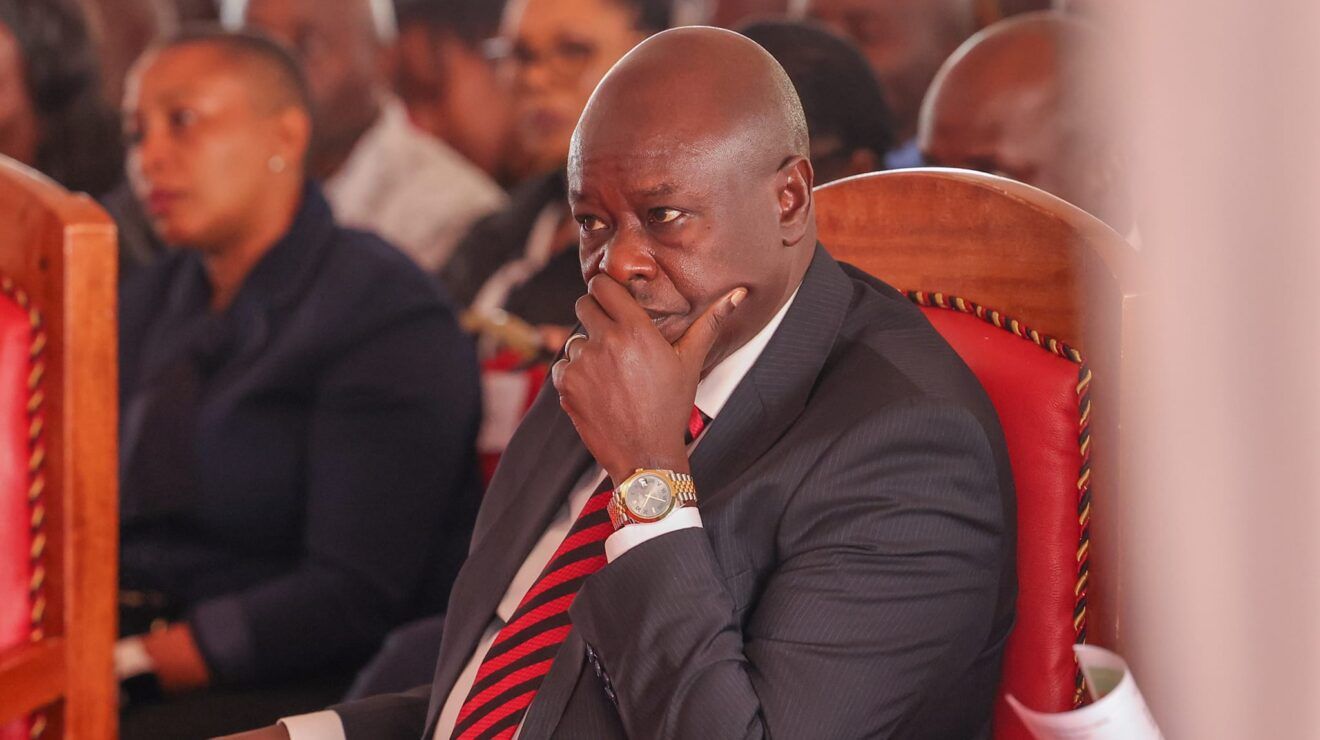
Gachagua may be attempting to reframe his image in the court of public opinion. Source: X
Pursuing damages instead of reinstatement is likely a strategic legal calculation. Reinstatement would involve returning to a highly polarized political environment and resuming duties under a presidency and administration that may no longer be aligned with him.
This could lead to ongoing tension, obstruction, or even renewed efforts to remove him again. Seeking damages allows Gachagua to avoid further confrontation while still holding the system accountable and potentially securing a substantial financial settlement. It also opens a different kind of legal battle—less political, more civil—in nature.
Reframing Himself as a Political Victim
In choosing not to fight for reinstatement, Gachagua may be attempting to reframe his image in the court of public opinion. Rather than appearing power-hungry or confrontational, this move allows him to be seen as principled and wronged, someone who respects the rule of law but demands justice. This could strengthen his support base, particularly among those who view his ouster as politically motivated. By appealing for fairness rather than power, Gachagua might gain sympathy from the public and use this as political capital for future ambitions.
Leveraging Legal Precedents and Compensation Claims
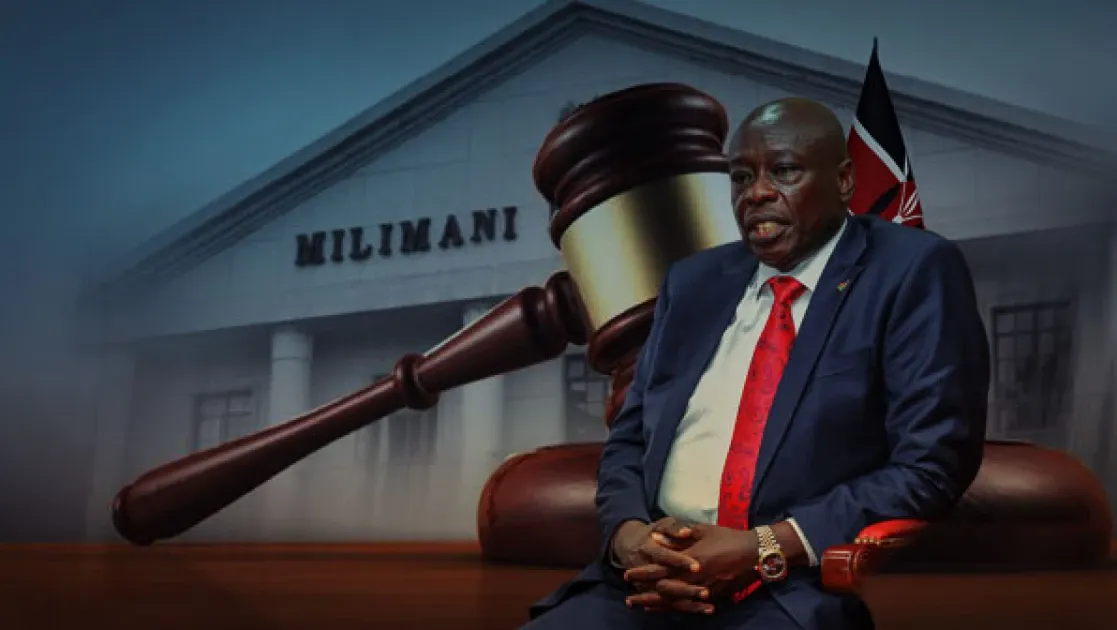
Rigathi Gachagua’s decision to pursue damages for what he describes as an unlawful impeachment, rather than seeking reinstatement. Source: X
There is also a legal foundation for his decision to pursue damages. Kenyan courts have previously awarded compensation in cases involving unlawful dismissals or unconstitutional removal from public office. Gachagua’s legal team is likely building a case based on these precedents, arguing that he should be compensated for the remainder of his term, including lost benefits and entitlements. Seeking the financial equivalent of a full five-year term adds a quantifiable and high-stakes dimension to his petition, reinforcing the seriousness of his claims.
Seeking Closure and Avoiding Political Turmoil
Beyond legal and political strategy, there may also be a personal and practical reason behind Gachagua’s decision. Choosing damages over reinstatement may signal a desire to move on from a politically toxic environment. Reinstatement could lead to prolonged instability both within government and across the country, especially among his supporters. A financial settlement, in contrast, allows him to step back, regroup, and potentially re-enter public life in a different capacity or at a later time, without being mired in ongoing conflict.
Conclusion
Rigathi Gachagua’s decision to pursue damages for what he describes as an unlawful impeachment, rather than seeking reinstatement to office, is a multidimensional move. It combines legal arguments with political sensitivity and strategic foresight. By focusing on justice and redress instead of power, Gachagua may be laying the groundwork for a political comeback, while also challenging the integrity of the system that removed him. His approach reflects a calculated blend of accountability, narrative control, and long-term political planning.











0 comments