
Your Read is on the Way
Every Story Matters
Every Story Matters
The Hydropower Boom in Africa: A Green Energy Revolution Africa is tapping into its immense hydropower potential, ushering in an era of renewable energy. With monumental projects like Ethiopia’s Grand Ethiopian Renaissance Dam (GERD) and the Inga Dams in the Democratic Republic of Congo, the continent is gearing up to address its energy demands sustainably while driving economic growth.
Northern Kenya is a region rich in resources, cultural diversity, and strategic trade potential, yet it remains underutilized in the national development agenda.

Can AI Help cure HIV AIDS in 2025

Why Ruiru is Almost Dominating Thika in 2025

Mathare Exposed! Discover Mathare-Nairobi through an immersive ground and aerial Tour- HD

Bullet Bras Evolution || Where did Bullet Bras go to?
Opposition leader Raila Odinga has cautioned against plunging the country into unnecessary political turmoil, urging Kenyans to prioritize economic stability over leadership struggles. Speaking at the funeral of retired pilot Colonel James Nguyo Gitahi in Maanzoni, Machakos County, Odinga addressed the growing frustrations among citizens due to the skyrocketing cost of living. He acknowledged the suffering of ordinary Kenyans but insisted that an abrupt and forceful change in leadership would not provide the solutions people desperately need.
Odinga emphasized that while political discontent is understandable, rushing into a crisis-driven approach to remove President William Ruto could have severe consequences for the country. He warned that such actions could lead to a prolonged period of uncertainty, unrest, and economic stagnation, further complicating the situation for already struggling families. Instead, he urged Kenyans to channel their frustrations into constructive dialogue and demand accountability from the government while waiting for the democratic process to take its course in 2027.
The veteran politician took a firm stance against the viral “Ruto Must Go” movement, cautioning that simply removing President Ruto would not automatically lead to an improvement in people’s lives. He pointed out that Kenya's economic challenges, ranging from inflation, increased taxation, and corruption to the high cost of essential goods, are systemic problems that require strategic, long-term solutions rather than reactionary political upheaval.
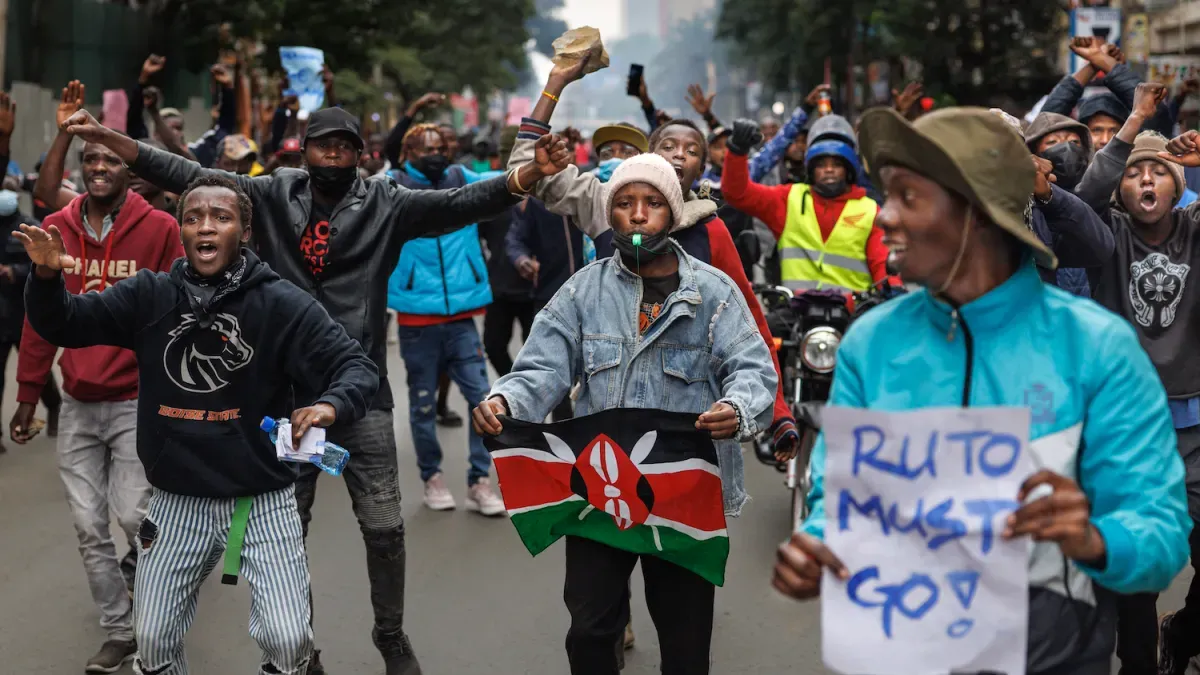
Odinga reminded Kenyans that leadership transitions must be handled with caution, as the replacement of one leader does not necessarily guarantee positive change. He argued that without solid plans to tackle economic hardships, removing Ruto could instead create a vacuum, sparking an endless cycle of leadership battles that would only paralyze government operations further. He also questioned what exactly critics of the current administration hoped to achieve, pointing out that Kenya has institutions and legal frameworks designed to hold leaders accountable. Instead of pushing for abrupt regime change, he encouraged citizens to put pressure on the government to enact immediate reforms that would ease their struggles.
Odinga further criticized the tendency of Kenyan politics to be dominated by constant campaign rhetoric, stating that it prevents meaningful development from taking place. He noted that since the last general election, political debates have largely revolved around who should hold power rather than addressing pressing national issues such as job creation, healthcare improvements, and poverty reduction. He called on leaders from both the government and the opposition to set aside their differences and work together in implementing policies that would alleviate the suffering of ordinary citizens.
"If Ruto leaves, then what? Another leader takes over, and then the same calls start again? We cannot afford to throw the country into a whirlwind of uncertainty," he asserted. Odinga insisted that true leadership is about solving problems, not just seizing power. He advised that rather than continuously engaging in divisive politics, leaders should focus on practical governance strategies that address the economic burden currently facing Kenyans. He also emphasized that the cost of living crisis is not unique to Kenya, as many global economies are also struggling due to inflation and post-pandemic recovery. However, he stressed that this was not an excuse for inaction and that the government must do more to cushion its citizens from economic hardships.
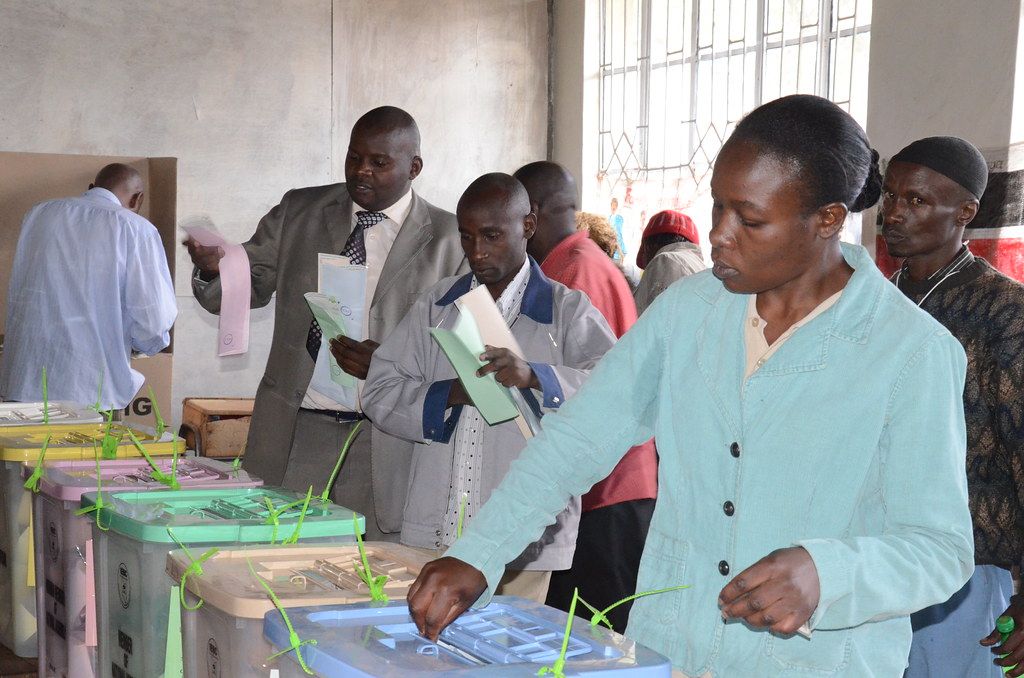
Odinga reassured Kenyans that democracy is about patience and making strategic choices at the ballot box. He reminded them that the next general election in 2027 will provide an opportunity for them to choose leaders who align with their vision for the country. He also dismissed claims that he is positioning himself for another presidential bid, insisting that leadership should not be about individual ambitions but rather about serving the interests of the people.
"When 2027 comes, leaders will present themselves, and the people will decide. But for now, our focus must be on real issues, not power struggles," he stated. He acknowledged that some of his critics believe he has been in politics for too long, but he maintained that he is willing to step aside if necessary. However, he stressed that his priority is ensuring Kenya remains politically stable and economically viable.
As tensions continue to rise over the country’s economic situation, Odinga’s remarks serve as a call for level-headed governance. He reminded Kenyans that lasting solutions lie not in abrupt leadership changes but in practical, well-thought-out strategies to rebuild the economy. He encouraged citizens to hold leaders accountable while remaining focused on long-term progress rather than short-term political battles





0 comments