
Your Read is on the Way
Every Story Matters
Every Story Matters
The Hydropower Boom in Africa: A Green Energy Revolution Africa is tapping into its immense hydropower potential, ushering in an era of renewable energy. With monumental projects like Ethiopia’s Grand Ethiopian Renaissance Dam (GERD) and the Inga Dams in the Democratic Republic of Congo, the continent is gearing up to address its energy demands sustainably while driving economic growth.
Northern Kenya is a region rich in resources, cultural diversity, and strategic trade potential, yet it remains underutilized in the national development agenda.

Can AI Help cure HIV AIDS in 2025

Why Ruiru is Almost Dominating Thika in 2025

Mathare Exposed! Discover Mathare-Nairobi through an immersive ground and aerial Tour- HD

Bullet Bras Evolution || Where did Bullet Bras go to?
In a move that has shaken up Canadian politics, newly appointed Prime Minister Mark Carney has thrown down the gauntlet by calling for a snap election on April 28. This unexpected decision comes as tensions with the United States hit a boiling point, fueled by President Donald Trump's aggressive trade policies and inflammatory rhetoric. With the future of Canada’s sovereignty seemingly on the line, Carney is betting that a fresh mandate from the public will give his government the power to push back against external threats and chart an independent path forward.
Mark Carney, a former governor of both the Bank of Canada and the Bank of England, stepped into the political spotlight after the surprise resignation of Justin Trudeau. Carney’s reputation as a technocrat and financial expert has made him an unconventional choice to lead the Liberal Party at such a volatile time. His appointment marked a dramatic shift from Trudeau’s charismatic, image-driven style to a more analytical and policy-focused leadership.
Since taking office on March 14, Carney has faced an immediate and complex challenge: safeguarding Canada's sovereignty against escalating U.S. interference. The snap election is not just about winning parliamentary seats-it is an attempt to galvanize public support in the face of what many perceive as an existential threat to Canadian autonomy.
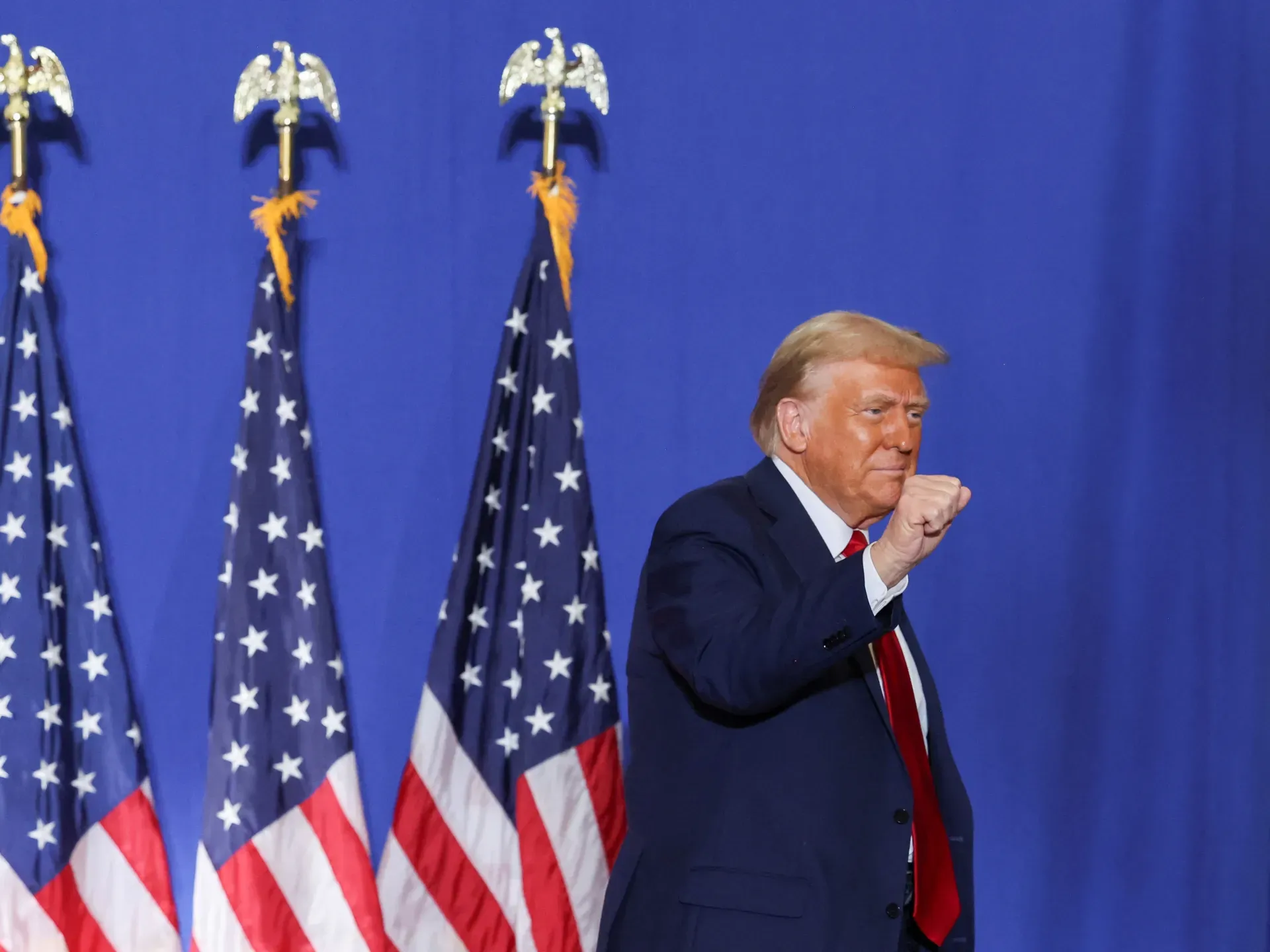
The trigger for this extraordinary electoral move lies in the United States. President Donald Trump, emboldened by his recent reelection and a renewed "America First" agenda, has turned his attention northward. Accusing Canada of exploiting trade agreements and threatening U.S. interests, Trump has imposed sweeping tariffs on Canadian goods. These measures, which include a 25% tariff on most imports, have already begun to disrupt Canada’s export-driven economy.
Yet, tariffs are only part of the equation. Trump has gone further, openly suggesting that Canada’s vast natural resources and geographic proximity make it a prime candidate for annexation. While many observers initially dismissed these comments as political bluster, the sustained rhetoric has heightened anxieties about the future of U.S.-Canada relations. For Carney and his government, the stakes could not be higher.
The economic repercussions of Trump’s policies have been swift and severe. Canadian industries, particularly in manufacturing and agriculture, are bearing the brunt of increased costs and supply chain disruptions. The 25% tariff, combined with a 10% levy on energy products, has made it more expensive for Canadian businesses to sell to their largest trading partner.
In retaliation, Canada has introduced its own tariffs on a range of U.S. goods, including agricultural products, consumer electronics, and raw materials. This tit-for-tat escalation has raised fears of a prolonged trade war that could impact jobs, consumer prices, and cross-border investment. For everyday Canadians, the economic strain is becoming increasingly tangible.

Calling a snap election is a calculated risk for Carney. By moving the vote up to April 28, he aims to secure a fresh mandate before economic uncertainties deepen and U.S. pressures intensify. If successful, Carney would gain the political capital necessary to take a harder stance against American aggression while implementing policies to insulate the Canadian economy.
However, the decision is not without peril. Critics argue that the election timeline is too short for meaningful debate and could undermine democratic processes. The opposition Conservative Party, led by Pierre Poilievre, is already framing the election as a referendum on Liberal mismanagement. Poilievre, a fierce critic of both Trudeau and Carney, has positioned himself as a champion of economic pragmatism and promises to restore stability by mending U.S. relations without sacrificing national interests.

For many Canadians, the election has become about more than just party politics-it is about the future identity of the nation. Public sentiment is shifting toward a renewed emphasis on sovereignty and self-reliance. Citizens across the political spectrum are expressing concerns that Canada’s close economic ties to the U.S. leave it vulnerable to external coercion.
Prominent cultural figures have also joined the debate, urging Canadians to resist American overreach. In a widely shared campaign message, actor and comedian Mike Myers invoked the legacy of hockey icon Gordie Howe, calling on the nation to stand tough and keep their "elbows up" in the face of outside threats. This wave of cultural nationalism is providing an emotional undercurrent to the political contest, emphasizing the need for unity in the face of external pressure.
The unfolding situation in Canada is being closely monitored by the international community. Allies such as the United Kingdom and European Union face calls to offer vocal support for Canadian sovereignty, while other global powers weigh the potential ramifications of a weakened Canadian-U.S. alliance.
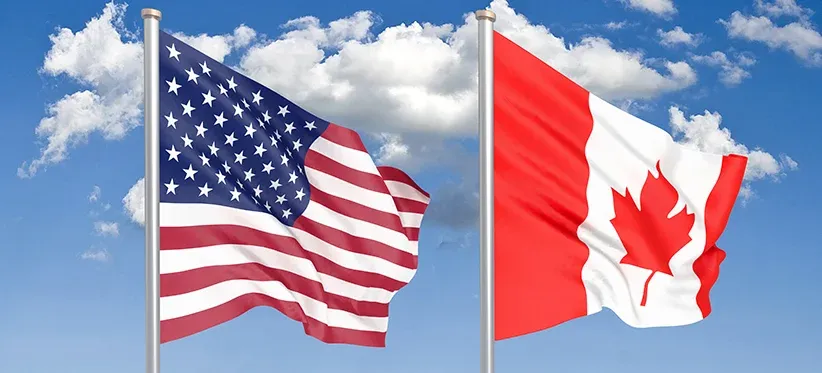
If Carney secures a strong mandate, it could embolden other nations to resist American economic coercion. Conversely, a Conservative victory could signal a shift toward a more conciliatory stance, realigning Canada more closely with U.S. policies. Either outcome will have far-reaching implications for the balance of power in North America and beyond.
As the April 28 election approaches, Canada stands on the precipice of a defining moment in its modern history. The outcome will determine not just the leadership of the nation, but its fundamental approach to sovereignty, economic independence, and international relations. With external pressures mounting and internal divisions deepening, the road ahead is fraught with uncertainty.
For Mark Carney, the stakes could not be higher. If he succeeds, he will emerge as a transformative leader who defended Canada’s sovereignty against unprecedented challenges. If he fails, the nation may face a future where its autonomy is increasingly subject to the whims of a powerful neighbor. Either way, history is being written-and the world is watching.




0 comments