
Your Read is on the Way
Every Story Matters
Every Story Matters
The Hydropower Boom in Africa: A Green Energy Revolution Africa is tapping into its immense hydropower potential, ushering in an era of renewable energy. With monumental projects like Ethiopia’s Grand Ethiopian Renaissance Dam (GERD) and the Inga Dams in the Democratic Republic of Congo, the continent is gearing up to address its energy demands sustainably while driving economic growth.
Northern Kenya is a region rich in resources, cultural diversity, and strategic trade potential, yet it remains underutilized in the national development agenda.

Can AI Help cure HIV AIDS in 2025

Why Ruiru is Almost Dominating Thika in 2025

Mathare Exposed! Discover Mathare-Nairobi through an immersive ground and aerial Tour- HD

Bullet Bras Evolution || Where did Bullet Bras go to?
In one of the most surprising political comebacks in recent Canadian memory, Mark Carney, the former Bank of Canada and Bank of England governor, emerged as the man of the hour. Just months ago, he was viewed as an outsider—a polished technocrat better suited for international finance forums than the unforgiving trenches of federal politics. Yet in the spring of 2025, Carney led the Liberal Party to a fourth consecutive term, narrowly missing a majority but securing a commanding minority with 167 seats. It was a moment of redemption for a party teetering on the edge of irrelevance after Justin Trudeau’s prolonged tenure and waning public support. Carney didn’t just win an election—he rebooted a brand.
The ground beneath Canadian politics had been shifting for months. Soaring inflation, skyrocketing housing costs, and a general malaise with establishment politics brewed a storm of frustration. When U.S. President Donald Trump escalated trade aggression against Canadian industries and insulted Canadian leadership, something clicked in the electorate. Suddenly, vague notions of nationalism and sovereignty became urgent calls for leadership.
Carney seized this moment with clinical precision, positioning himself not just as a leader, but as the nation’s fiscal and moral anchor. His calm, data-driven demeanor cut through the noise. Canadians were not looking for a populist firebrand—they wanted stability cloaked in strength. And Carney, with his impeccable resume and steady cadence, offered just that.
While the Liberals surged, the Conservative Party struggled to hold its ground. Under Pierre Poilievre, the Conservatives had carved out an image of aggressive defiance, but that same tone began to alienate centrist and swing voters who feared further polarization. What had been a promising lead early in the campaign began to deteriorate as Poilievre’s refusal to pivot from hardline rhetoric cost him traction in critical suburban ridings. His campaign’s relentless focus on individual freedoms and anti-government sentiment started to ring hollow as voters demanded real plans for housing, healthcare, and climate resilience
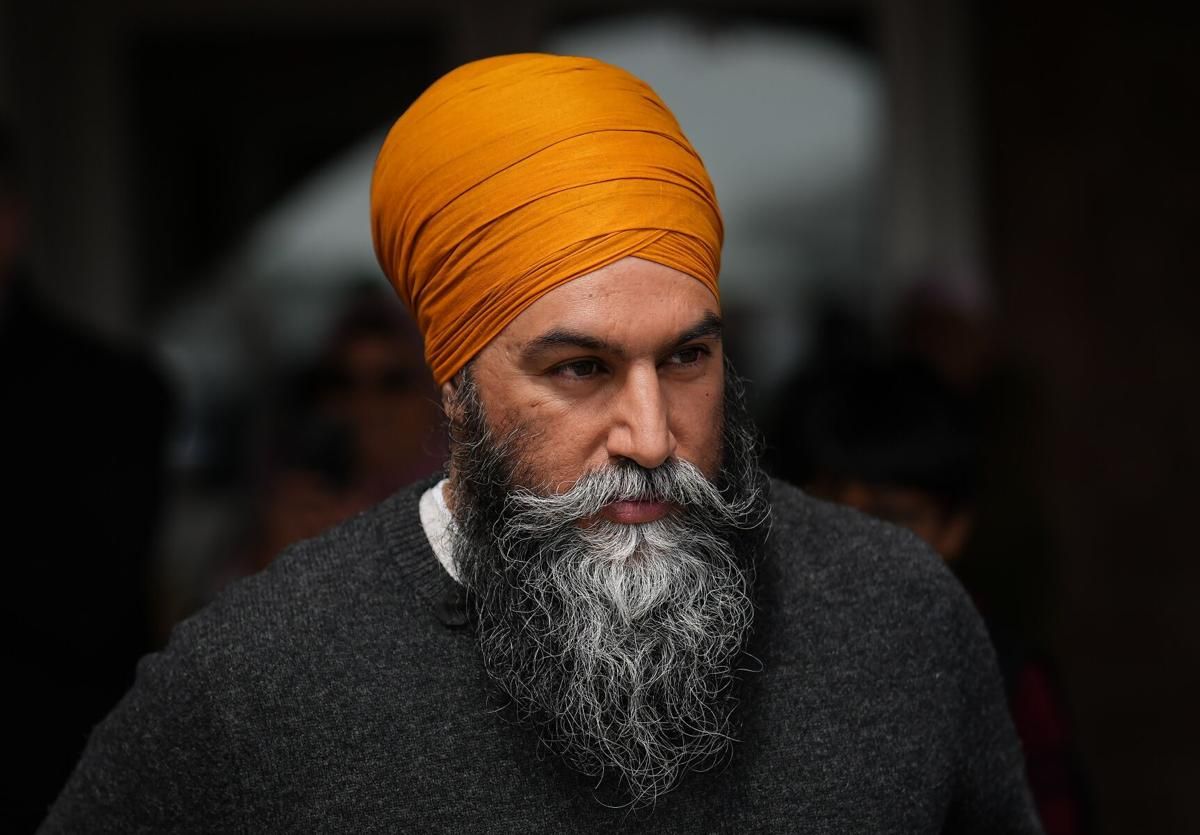
Meanwhile, the New Democratic Party imploded. Long seen as the conscience of the progressive left, the NDP under Jagmeet Singh failed to inspire. Singh, who lost his own seat in a stinging upset, announced his resignation shortly after the results. The NDP’s support fractured, with some voters defecting to the Greens and others staying home entirely. The vacuum left by Singh’s departure will likely spark a bitter internal power struggle over the party’s future direction—and whether it remains relevant at all in a new era defined by technocratic pragmatism.
Victory may be sweet, but Carney’s plate is already overflowing. With a minority government, the Liberals will need to navigate a fragile alliance of ideologically varied MPs and fend off opposition attacks from all directions. The Canadian economy, while stabilizing, is still plagued by affordability issues, a housing crunch, and growing interprovincial tension. Western provinces are increasingly assertive about decentralization and resource control, while Quebec’s political class is reigniting questions around autonomy and federalism.
Abroad, Carney has already made bold moves—reaffirming Canada’s commitments to NATO, seeking deeper ties with Europe, and drawing a firm line against foreign interference in national politics. But at home, the electorate is demanding substance. Voters want more than reassurances—they want results: real housing starts, reduced grocery bills, cleaner energy transitions, and accountability.
The question hanging over Parliament Hill is clear: Can Mark Carney convert political momentum into lasting reform, or is his ascent merely a pause in Canada’s long descent into fragmented governance? His first 100 days will be scrutinized more than any Canadian leader in recent memory. The honeymoon is brief. Public patience is shorter. And Carney, once hailed as the world’s central banker, must now prove he can be the people’s Prime Minister.
The election gave Canada a new chapter. Whether it becomes a renaissance or a rerun depends on how power is wielded from here on.






0 comments