
Your Read is on the Way
Every Story Matters
Every Story Matters
The Hydropower Boom in Africa: A Green Energy Revolution Africa is tapping into its immense hydropower potential, ushering in an era of renewable energy. With monumental projects like Ethiopia’s Grand Ethiopian Renaissance Dam (GERD) and the Inga Dams in the Democratic Republic of Congo, the continent is gearing up to address its energy demands sustainably while driving economic growth.
Northern Kenya is a region rich in resources, cultural diversity, and strategic trade potential, yet it remains underutilized in the national development agenda.

Can AI Help cure HIV AIDS in 2025

Why Ruiru is Almost Dominating Thika in 2025

Mathare Exposed! Discover Mathare-Nairobi through an immersive ground and aerial Tour- HD

Bullet Bras Evolution || Where did Bullet Bras go to?
Deputy President Kithure Kindiki’s recent tour of Nyeri took a confrontational turn as a charged crowd met him with chants of “one term.” The slogan, loaded with political intent, was aimed at President William Ruto’s administration, reflecting rising discontent and a resurgent opposition narrative from within the Mount Kenya region.
What was meant to be a developmental inspection swiftly turned into a public spectacle, exposing fractures in Kenya’s political elite.
Although removed from office through impeachment in 2024, Rigathi Gachagua remains a dominant force in Central Kenya politics. His voice, amplified by growing frustrations in the region, has reignited grassroots movements that question Ruto's leadership and Kindiki’s rising prominence. Gachagua’s allies have repeatedly framed the current administration as detached from the economic struggles of ordinary Kenyans—especially in Mount Kenya.
Unshaken by the heckling, Kindiki responded assertively, branding the “one-term” slogans as distractions peddled by bitter rivals. He insisted that his focus remained on delivering national transformation through infrastructure, healthcare, education, and job creation. Kindiki also accused certain leaders of trying to destabilize the country by weaponizing regional emotions for political comeback strategies.
The drama didn’t end with the crowd. Local leaders, including the Nyeri County administration, expressed frustration with Kindiki’s visit, claiming it was done without coordination or respect for county protocols. The fallout reflects a deeper rift between national leadership and local actors, some of whom remain loyal to Gachagua or are weighing their options ahead of the next general election.
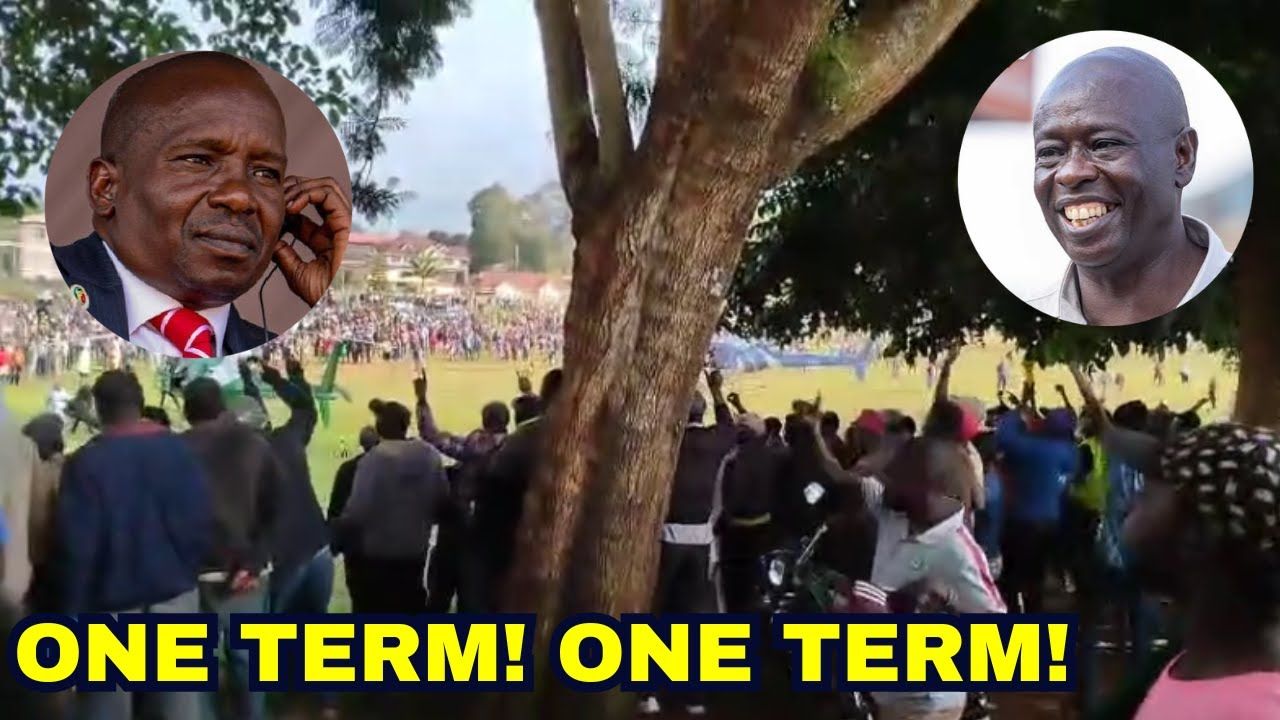
The confrontation in Nyeri also highlights a broader struggle for legitimacy within the Mount Kenya region. While Kindiki holds national office, his political roots in the region remain under scrutiny, with critics questioning whether he genuinely represents the local electorate or merely serves the interests of State House.
This disconnect is being exploited by rivals who are repositioning themselves as authentic voices of the mountain, promising to restore economic priorities and regional dignity they claim have been sidelined since Gachagua’s ouster.
Mount Kenya has historically been a decisive bloc in Kenyan elections. With internal factions emerging, the region now seems split between supporting the current government and rallying behind a Gachagua-led alternative. This hostile reception of the deputy president is not just an isolated incident—it signals a shifting political tide and a warning that the road to 2027 will be marked by intense rivalries and realignments.
As Kenya inches toward another electoral cycle, the divide within its political leadership is growing more visible. The heckling of Kindiki is both symbolic and strategic—it reflects dissatisfaction from the ground and a calculated campaign by political opponents to weaken the grip of the current leadership in a region once considered loyal.
Whether the Ruto-Kindiki axis can regain trust remains to be seen, but one thing is certain: the Mount Kenya vote is up for grabs.





0 comments