
Your Read is on the Way
Every Story Matters
Every Story Matters
The Hydropower Boom in Africa: A Green Energy Revolution Africa is tapping into its immense hydropower potential, ushering in an era of renewable energy. With monumental projects like Ethiopia’s Grand Ethiopian Renaissance Dam (GERD) and the Inga Dams in the Democratic Republic of Congo, the continent is gearing up to address its energy demands sustainably while driving economic growth.
Northern Kenya is a region rich in resources, cultural diversity, and strategic trade potential, yet it remains underutilized in the national development agenda.

Can AI Help cure HIV AIDS in 2025

Why Ruiru is Almost Dominating Thika in 2025

Mathare Exposed! Discover Mathare-Nairobi through an immersive ground and aerial Tour- HD

Bullet Bras Evolution || Where did Bullet Bras go to?
Emmanuel Macron’s path to the presidency of France is both unusual and compelling. Unlike many of his predecessors who rose through decades within political parties and grassroots campaigning, Macron catapulted into the highest office in the country with a relatively short political résumé, an untested political movement, and a message centered on reform and modernization.
His ascent signaled a break from the traditional left-right divide in French politics and introduced a new kind of leadership—youthful, pragmatic, and fiercely centrist. As president, he has faced enormous challenges, from economic unrest to a pandemic, yet he remains a central figure in both French domestic affairs and the broader European landscape.
Emmanuel Macron was born on December 21, 1977, in the city of Amiens, in northern France. His parents were both in the medical profession—his father a neurologist and his mother a physician—which afforded him a comfortable, intellectually enriched upbringing. Even as a child, Macron demonstrated an insatiable curiosity and academic prowess, excelling in subjects ranging from literature to philosophy. His early exposure to classical learning laid the foundation for a later passion for deep thinking and policy analysis.
Macron’s education trajectory took him to some of France’s most elite institutions: Lycée Henri-IV in Paris, Sciences Po, and ultimately the École nationale d'administration (ENA), an elite finishing school for France’s future political and administrative leaders. His years at ENA honed his technocratic thinking, prepared him for civil service, and placed him among a powerful network of future policymakers and influencers.
Following graduation, Macron joined the prestigious Inspectorate of Finances, where he gained an inside view of how the French state machinery operated. This experience gave him an understanding of bureaucracy, regulation, and national budgeting. But his career soon took a decisive turn when he entered the private sector by joining Rothschild & Cie Banque as an investment banker. Here, Macron quickly distinguished himself, most notably playing a key role in the multi-billion-euro Nestlé-Pfizer baby food deal.
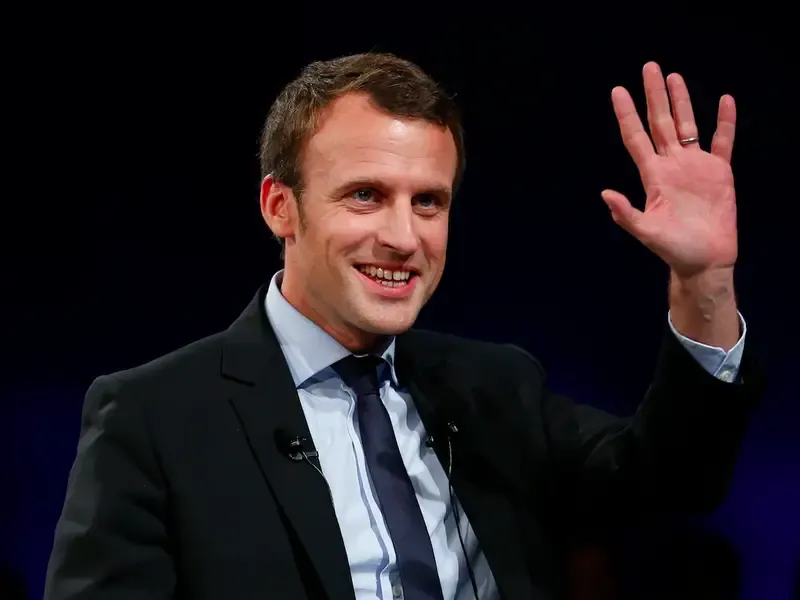
His success in high finance not only made him personally wealthy but also gave him an intimate understanding of global markets, deal-making, and the power dynamics of corporate capitalism. This experience would deeply influence his pro-business economic philosophy later as president. While critics would later accuse him of being too aligned with the elite, supporters saw in him a man who understood how the world truly worked—both in state and in capital.
Macron’s foray into politics came through the backdoor of technocracy rather than grassroots activism. In 2012, he was appointed Deputy Secretary-General under President François Hollande, and two years later, he was promoted to Minister of the Economy, Industry, and Digital Affairs. It was in this role that he began to gain national attention. Macron pushed for deregulation in key sectors, including transportation and retail, and sought to make the labor market more flexible. His efforts culminated in the controversial “Macron Law,” aimed at unlocking France’s economic potential.
Though his reforms were seen by some as necessary modernization, they drew fierce resistance from labor unions and the political left. Macron’s willingness to challenge entrenched interests—and his ability to do so with a calm, articulate manner—marked him as a rising star with presidential potential. Yet he remained a political outsider in a system dominated by old guard ideologies.
Disenchanted with the established parties and sensing a political vacuum, Macron took a bold leap in 2016 by forming his own political movement, La République En Marche! (LREM). The centrist platform aimed to transcend the traditional left-right divide and promote a reformist, pro-European agenda. Many in the political class dismissed him as naïve or overly ambitious. He had no electoral base, no party infrastructure, and no history of campaigning.
Yet Macron bet on the growing appetite among voters for something different—something that promised renewal without populism. By tapping into youth networks, social media, and grassroots mobilization, Macron’s movement grew rapidly. Within months, he was campaigning for the presidency, drawing large crowds and gaining traction with a narrative of optimism and change.
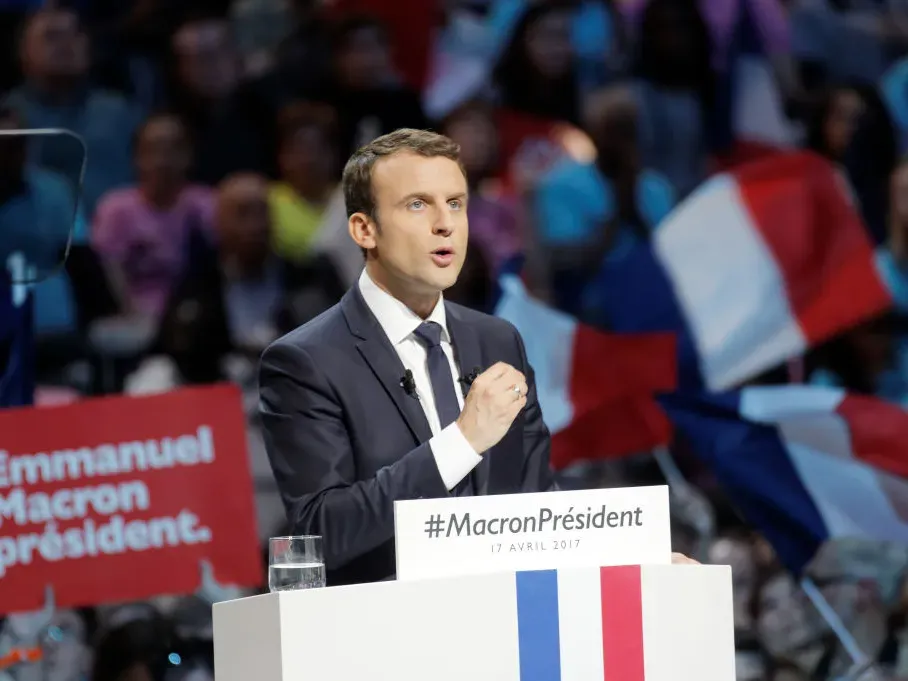
In a stunning upset that defied expectations, Emmanuel Macron won the 2017 French presidential election, defeating far-right leader Marine Le Pen in the second round. At just 39 years old, he became the youngest president in the history of the French Republic. His victory was historic not just for his age but for the nature of his campaign: he had upended the traditional party structure, won as an independent, and presented a vision that combined progressive social policies with liberal economic reform.
Macron positioned himself as a modernizer who could pull France into the future—digitally, economically, and socially—while maintaining France’s standing in a turbulent global order. His win was also seen internationally as a counterweight to the wave of nationalism and populism sweeping parts of Europe and the United States at the time.
Once in office, Macron wasted no time pursuing his reform agenda. He pushed through changes to labor laws, overhauled the national railway system, and introduced reforms to education and taxation. However, these moves were met with fierce opposition from public sector workers, unions, and some political factions.
Critics accused Macron of being a “president for the rich” due to his business-friendly policies and perceived aloofness. Nonetheless, he remained committed to his vision of making France more competitive and entrepreneurial. On the global stage, Macron sought to position France as a central player in European integration, environmental leadership, and diplomacy in crises such as the Iran nuclear deal and tensions in the Sahel region of Africa.
Macron’s presidency hit a crisis point with the eruption of the Gilets Jaunes (Yellow Vests) movement in late 2018. Originally sparked by a fuel tax aimed at reducing carbon emissions, the protests grew into a widespread revolt against economic inequality, rising living costs, and what many saw as Macron’s disconnect from ordinary citizens. Demonstrators occupied roundabouts, marched in cities, and clashed with police in violent episodes.
Macron responded with a nationwide listening tour, town hall meetings, and adjustments to some of his policies, including suspending the fuel tax. The movement highlighted the challenges of governing from the center in a deeply polarized society and underscored the tension between reform and representation.
When COVID-19 hit, Macron’s leadership was tested in unprecedented ways. His government imposed strict lockdowns, closed schools and businesses, and launched emergency economic measures to cushion the blow. Though the early response drew criticism for shortages in masks and delays in testing, the later phases of the crisis saw the successful rollout of vaccination campaigns and digital health passes. Macron emphasized solidarity, calling the fight against COVID “a war,” and worked closely with European partners on vaccine procurement and economic recovery.
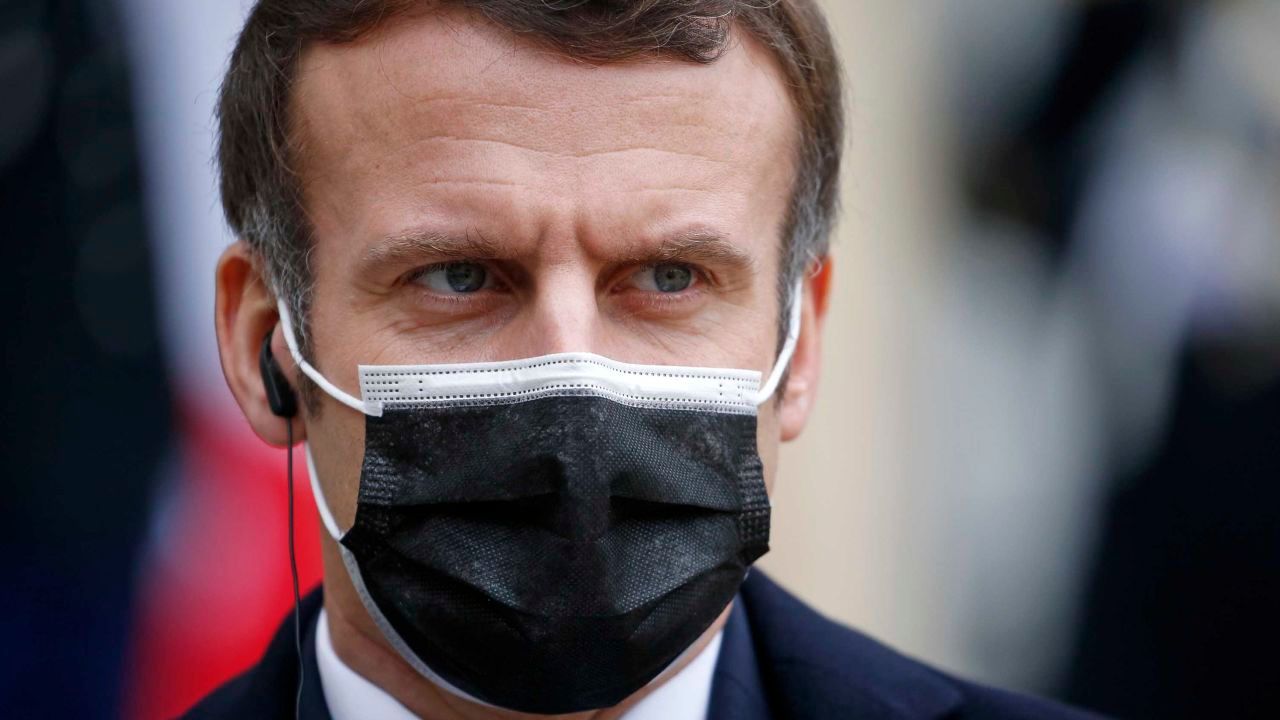
While the pandemic exposed weaknesses in the health system and sparked debates about civil liberties, Macron emerged as a firm but flexible leader during a global crisis.
In 2022, Macron won a second term, again defeating Marine Le Pen. However, the victory margin was slimmer, and voter turnout was lower—signals of increasing public disillusionment. His second term has been dominated by attempts to push through controversial pension reforms, including raising the retirement age, which sparked nationwide strikes and protests.
At the same time, Macron faces growing political fragmentation, a weakening parliamentary majority, and rising pressure from both the left and the far right. Yet he continues to push forward with his vision of a dynamic, competitive France fully engaged in a united Europe.
Macron’s personal life has fascinated the French public and media alike. He is married to Brigitte Macron, who was once his drama teacher and 24 years his senior. Their unconventional love story has sparked both admiration and scrutiny, but Brigitte has become a respected and discreet first lady, often involved in social and education-related projects. Macron’s personality—intellectual, analytical, sometimes aloof—has both helped and hindered his political career. While some admire his rational, technocratic approach, others see him as emotionally distant and overly reliant on elite networks.
Whether Emmanuel Macron will be remembered as a reformer who modernized France or as a divisive figure who failed to connect with the working class remains to be seen. His political movement has already reshaped French politics, challenging traditional parties and elevating centrism in an increasingly polarized landscape.
As he navigates his second term, his priorities remain clear: economic reform, ecological transition, European unity, and global diplomacy. The coming years will determine whether Macron’s gamble on radical centrism pays off—or if his vision will be overtaken by the forces of populism, nationalism, or economic fatigue.





0 comments