
Your Read is on the Way
Every Story Matters
Every Story Matters
The Hydropower Boom in Africa: A Green Energy Revolution Africa is tapping into its immense hydropower potential, ushering in an era of renewable energy. With monumental projects like Ethiopia’s Grand Ethiopian Renaissance Dam (GERD) and the Inga Dams in the Democratic Republic of Congo, the continent is gearing up to address its energy demands sustainably while driving economic growth.
Northern Kenya is a region rich in resources, cultural diversity, and strategic trade potential, yet it remains underutilized in the national development agenda.
Can AI Help cure HIV AIDS in 2025

Why Ruiru is Almost Dominating Thika in 2025

Mathare Exposed! Discover Mathare-Nairobi through an immersive ground and aerial Tour- HD

Bullet Bras Evolution || Where did Bullet Bras go to?
Meru County, often known for its rich cultural heritage and peaceful coexistence, has been thrust into the national spotlight for all the wrong reasons. During a charged political gathering, former Deputy President Rigathi Gachagua issued a chilling warning, declaring that President William Ruto would not be welcome in Meru if Chief Justice Martha Koome is removed from office. His words didn’t just target a political rival or policy; they drew dangerous lines between communities, invoking ethnic loyalty over national interest.
Such remarks are not made in isolation. They resonate deeply within Kenya’s politically sensitive environment, where past elections have been marred by ethnic violence, displacement, and simmering resentment. Gachagua’s statement was not simply about defending the Chief Justice; it was a calculated move to rally an ethnic bloc around a perceived attack, reigniting a volatile narrative that Kenya has fought hard to bury.
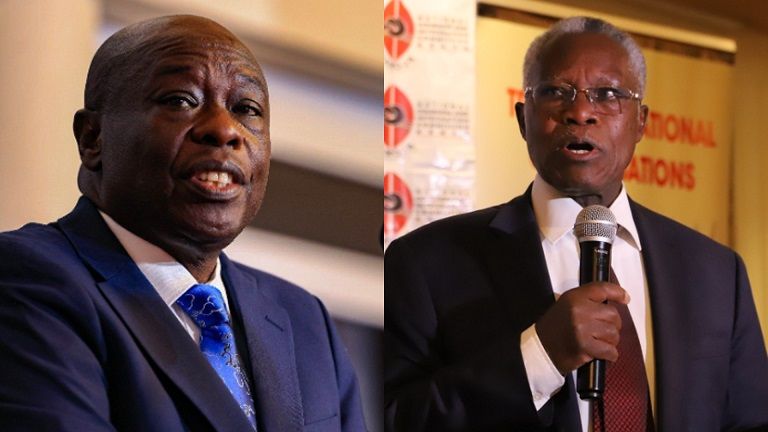
The National Cohesion and Integration Commission (NCIC), Kenya’s watchdog against ethnic discord, responded with uncharacteristic urgency. In a strongly worded statement, NCIC Chairperson Dr. Samuel Kobia condemned the remarks as inflammatory and reckless, warning of the potential national consequences if such rhetoric spreads unchecked.
Dr. Kobia criticized Gachagua’s framing of Chief Justice Koome’s possible removal as an ethnically motivated plot, calling the claim baseless and dangerous. He stressed that undermining judicial processes by injecting tribal narratives not only damages Kenya's democratic institutions but also threatens to collapse the delicate balance of peace.
Moreover, Dr. Kobia reminded the nation of a crucial constitutional truth: the President is not just a political leader but a symbol of national unity, free to traverse the entire country without prejudice. Any attempt to bar him from a region is more than political posturing; it is a direct attack on the very foundation of the Kenyan state.
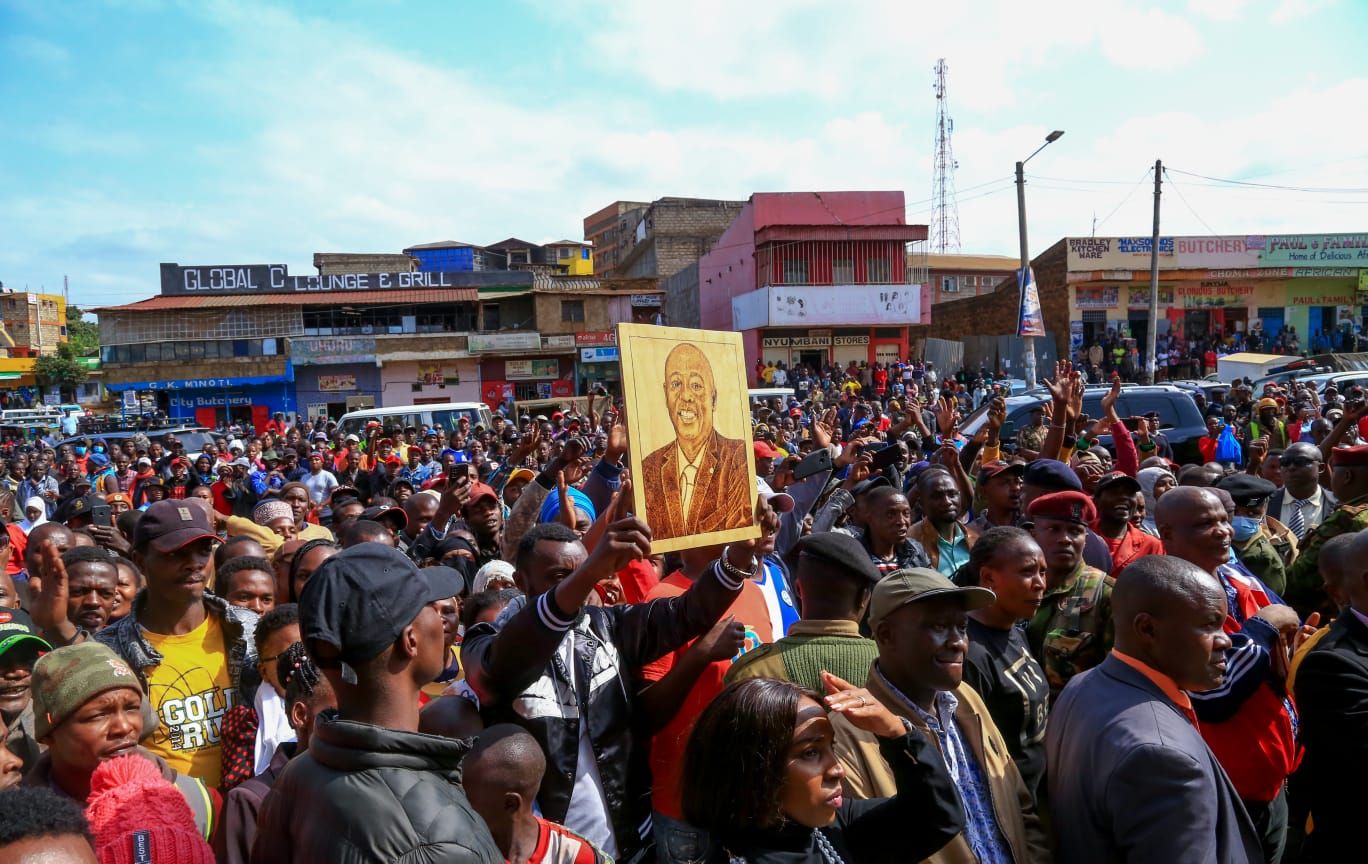
Kenya’s history is scarred by the manipulation of ethnic identities for political gain. What might sound like harmless rhetoric on a podium has, in the past, snowballed into devastating consequences. The 2007-2008 post-election violence remains fresh in the nation’s memory. Over 1,000 lives were lost, thousands displaced, and communities torn apart, all because political players exploited tribal divisions.
Gachagua's remarks are reminiscent of this dark chapter. By drawing battle lines over the future of a public official and framing it as an attack on an entire community, he risks plunging Kenya into a familiar and bloody script. Ethnic manipulation is not just an outdated political strategy; it is an existential threat to Kenya's future.
Kenya’s leaders hold an immense responsibility to protect peace, promote unity, and guide the country forward. Yet, when they trade these duties for cheap political applause and ethnic favoritism, they betray the people they claim to serve.
Gachagua’s words were not only irresponsible; they were dangerous. At a time when Kenya faces economic hardship, rising insecurity, and a populace yearning for solutions, dragging the country back into the trenches of ethnic rivalry is an unforgivable misstep.
This incident raises a fundamental question. Will Kenya’s leaders finally abandon the politics of division? Or will they continue to gamble with the nation’s stability, using communities as shields for their personal ambitions?
Kenya’s salvation will not come solely from commissions or legal institutions, though they play a vital role. True change lies with the people. Kenyans must reject attempts to pit them against each other. They must see through the thinly veiled attempts to revive tribal loyalty at the expense of national progress.
Civil society, religious leaders, youth groups, and media outlets must amplify the message that Kenya is greater than the sum of its ethnic parts. Every citizen has a role to play, to challenge divisive narratives, to question inflammatory statements, and to refuse to be reduced to ethnic pawns in a political chess game.
In unity, Kenya has found its greatest strength. In division, it has faced its darkest days. The choice between peace and chaos rests not only with politicians but with every Kenyan.
What starts as a single statement at a rally can spiral into national unrest. Gachagua’s Meru outburst was not just a local issue. It has national and even international implications. Kenya's global image as a stable democracy is at stake. Investors, partners, and neighbors are watching to see if Kenya can uphold peace and safeguard its constitutional order.
Every moment of silence in the face of ethnic incitement emboldens those who would drag Kenya backward. The NCIC’s intervention must not be the end of this story; it must be the beginning of a wider national reckoning about the kind of political culture Kenya wants to embrace moving forward.
Kenya stands at a crossroads. One path leads backward, towards tribalism, chaos, and conflict. The other moves forward, towards inclusion, dialogue, and shared prosperity. The words of a single politician should never have the power to dictate the nation's fate.
It is time for a collective commitment to reject hate, to demand better from leaders, and to build a future where every Kenyan, regardless of tribe or region, feels seen, heard, and valued. The stakes are too high for anything less.




0 comments