
Your Read is on the Way
Every Story Matters
Every Story Matters
The Hydropower Boom in Africa: A Green Energy Revolution Africa is tapping into its immense hydropower potential, ushering in an era of renewable energy. With monumental projects like Ethiopia’s Grand Ethiopian Renaissance Dam (GERD) and the Inga Dams in the Democratic Republic of Congo, the continent is gearing up to address its energy demands sustainably while driving economic growth.
Northern Kenya is a region rich in resources, cultural diversity, and strategic trade potential, yet it remains underutilized in the national development agenda.

Can AI Help cure HIV AIDS in 2025

Why Ruiru is Almost Dominating Thika in 2025

Mathare Exposed! Discover Mathare-Nairobi through an immersive ground and aerial Tour- HD

Bullet Bras Evolution || Where did Bullet Bras go to?
It was pitched as a game-changer for Narok: a shiny new international airport that would bring in floods of tourists, grow the local economy, and finally put the county on the global map. But instead of excitement, it’s sparked anger, suspicion, and a loud, defiant “no” from a group of local leaders and residents. Why? Because the land earmarked for the project is allegedly linked to former President Uhuru Kenyatta, and to many people in Narok, that smells like privilege dressed as progress.
This isn't just about an airport anymore. It's about who gets to decide what development looks like, who benefits from it, and whether the community has any real say when national power steps into their backyard. The idea of upgrading Narok’s connection to the world might sound good on paper, but on the ground, the feeling is different—people feel blindsided, ignored, and maybe even betrayed.
On the surface, a big new airport seems like an obvious win. Easier access to the Maasai Mara, more flights, more tourists, more money. But that’s not the story people in Narok are telling. They’re asking: Why here? Why now? And more importantly—why on private land, when there’s public land that could do the job just as well?
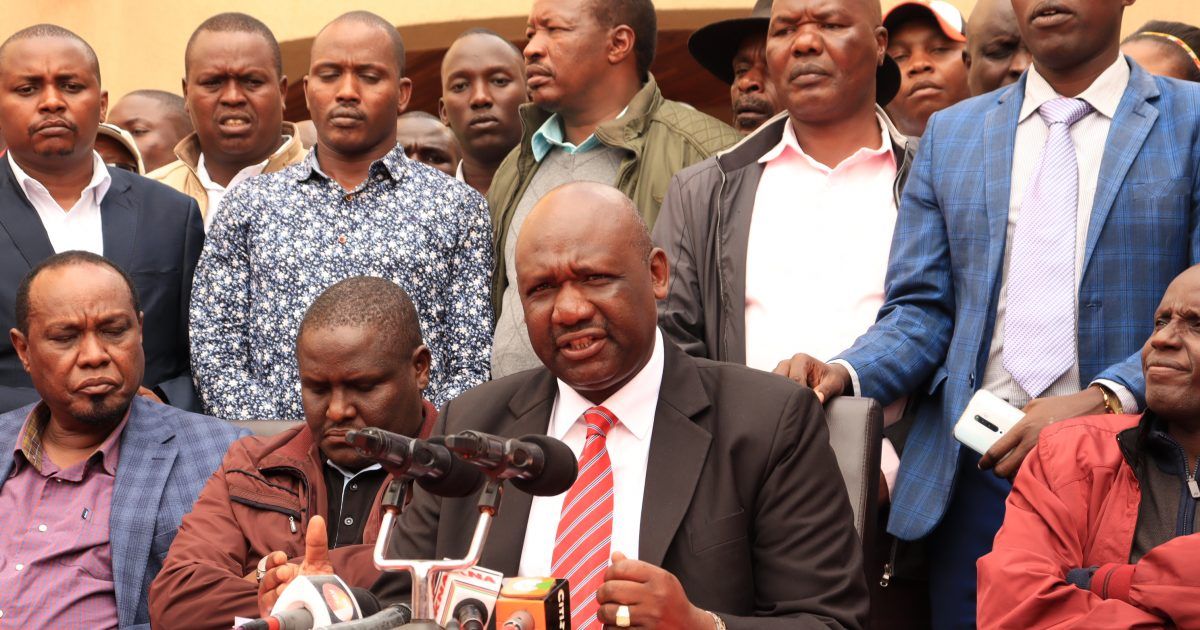
Many of the leaders pushing back say this project isn’t about lifting up Narok—it’s about lifting profits for a few connected individuals. There’s a real fear that the airport could turn into yet another elite enclave, a place built on local soil but meant for people with power, money, and friends in high places. The folks who actually live there? They’re worried they’ll be left out completely—watching planes come and go while they’re still struggling with bad roads, underfunded schools, and hospitals that can barely function.
Bringing in the Kenyatta name instantly changes the tone of this debate. The former president might not be directly involved in the airport's construction, but the fact that the project is tied to land reportedly owned by his family is enough to raise eyebrows—and tempers. It’s not just about one person; it’s about what that name represents to many Kenyans: political privilege, wealth, and the kind of influence that seems to bend the rules.
And in a place like Narok, where land issues have deep roots and long memories, that kind of influence doesn’t sit well. People haven’t forgotten past land injustices or how easily land can be taken, fenced off, and turned into private gain. This airport, whether fair or not, is now wrapped up in that history—and it’s creating a storm that might be bigger than the project itself.
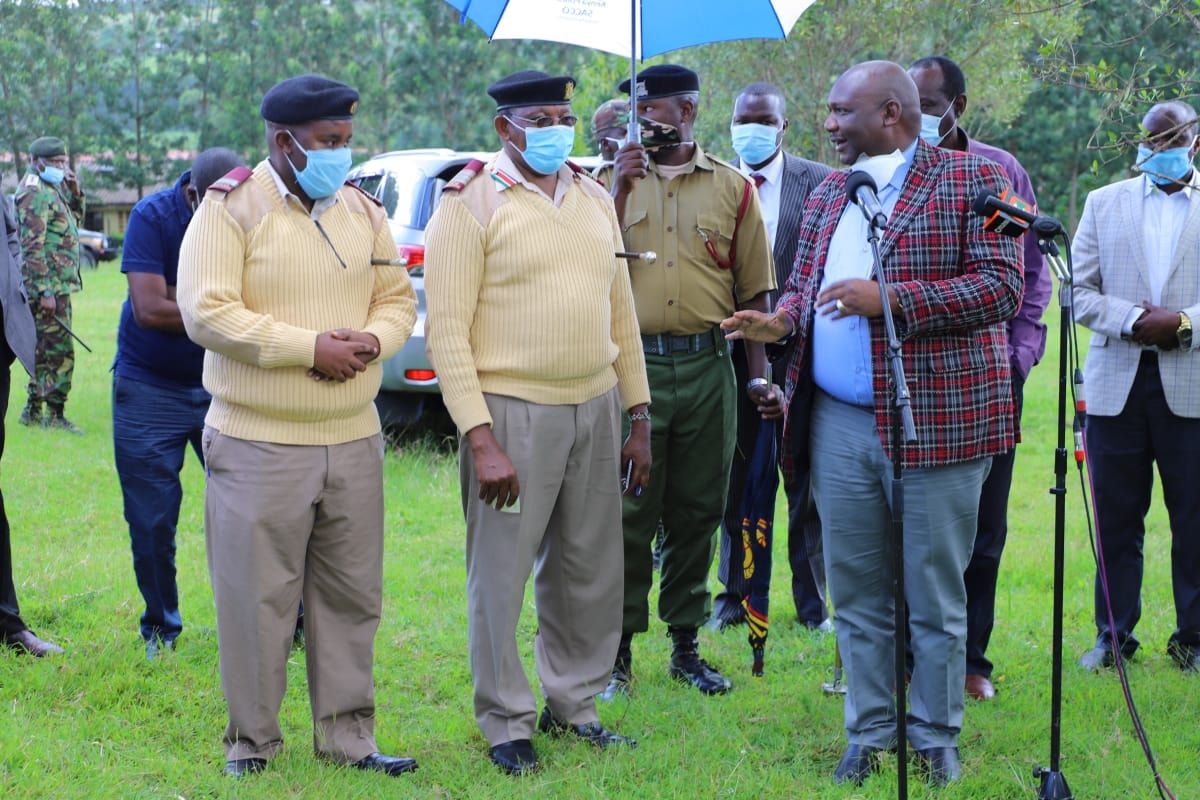

Narok people want a future that includes them, not one that steamrolls over them in the name of progress. Source: kenyanews.go.ke
What’s been most striking is how quickly and loudly local leaders have rallied. This isn’t just one or two voices—it’s a growing chorus. Elected officials, elders, and even youth groups are demanding that the project be paused, rethought, and moved to a site that’s actually owned by the public. They’re not anti-development—they’re anti-exclusion. And they’re sick of projects that seem to benefit everyone except the people who actually live nearby.
There’s also a call for honesty—real, open conversations about what’s happening and who’s involved. Right now, too much of the planning seems to be happening behind closed doors, with the public left guessing. That’s a big part of what’s fueling the anger. If the project is really for the people, why weren’t they part of the process?
For now, the airport plans are stuck in a holding pattern. There’s no bulldozer on site yet, but the battle lines have been drawn. And the message from Narok’s leaders is crystal clear: Don’t build it unless you’re building it with us, not just on our land. This isn’t just a Narok story—it’s a Kenya story. It’s about how decisions get made, whose voices count, and how power is used. If leaders can push this project through without real consultation, then what stops them from doing the same thing elsewhere?
The people of Narok aren’t against growth. They just want a future that includes them, not one that steamrolls over them in the name of progress. Whether or not the airport ever takes off, one thing’s for sure: the people are awake, they’re watching, and they’re ready to fight for their land—and their voice.





0 comments