
Your Read is on the Way
Every Story Matters
Every Story Matters
The Hydropower Boom in Africa: A Green Energy Revolution Africa is tapping into its immense hydropower potential, ushering in an era of renewable energy. With monumental projects like Ethiopia’s Grand Ethiopian Renaissance Dam (GERD) and the Inga Dams in the Democratic Republic of Congo, the continent is gearing up to address its energy demands sustainably while driving economic growth.
Northern Kenya is a region rich in resources, cultural diversity, and strategic trade potential, yet it remains underutilized in the national development agenda.

Can AI Help cure HIV AIDS in 2025
Why Ruiru is Almost Dominating Thika in 2025

Mathare Exposed! Discover Mathare-Nairobi through an immersive ground and aerial Tour- HD

Bullet Bras Evolution || Where did Bullet Bras go to?
In a bold and unexpected move, Tunisian President Kais Saied has fired Prime Minister Ahmed Hachani, replacing him with Kamel Maddouri. The decision comes at a critical time, with the country struggling under the weight of economic hardships and mounting migration pressures. With just months to go before the October 6 presidential election, Saied’s latest power play has left Tunisians wondering what’s next—and whether the nation is heading toward greater stability or deeper crisis.
This leadership change is not an isolated incident but part of a broader trend of power consolidation. Since taking office in 2019, Saied has steadily expanded his control over state institutions, sidelining political opponents and dismantling key democratic checks and balances. His recent actions suggest an even stronger grip on power as Tunisia faces one of its most challenging periods since the 2011 revolution.
Tunisia’s economy is in dire straits. Inflation has soared, unemployment remains high, and public dissatisfaction continues to grow. One of the most immediate and pressing concerns is the widespread shortage of essential resources, with persistent water and electricity cuts exacerbating the crisis. Many citizens are struggling to make ends meet, and businesses face severe disruptions due to these ongoing outages.
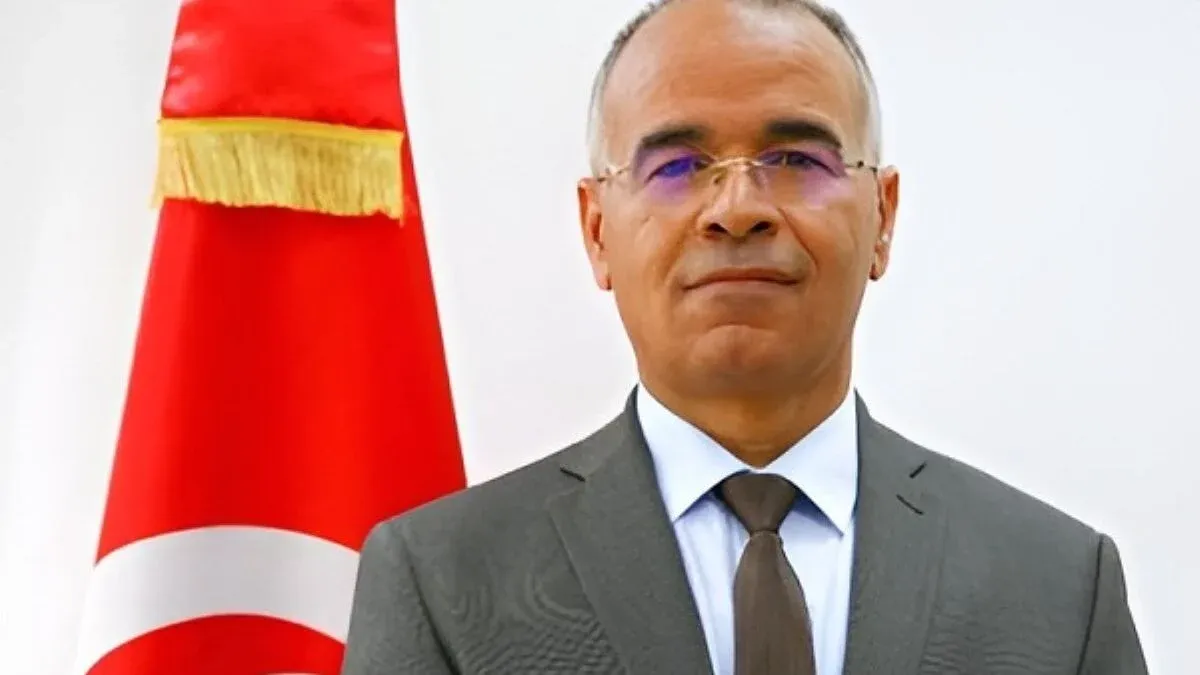
The government has attributed the water shortages to prolonged drought conditions, insisting that rationing measures are necessary. However, President Saied has hinted at more sinister forces at play, suggesting that these outages are deliberately orchestrated to destabilize the country ahead of the election. This narrative has fueled tensions and deepened public uncertainty about the state’s ability to manage the crisis effectively.
Beyond the water crisis, Tunisia is grappling with mounting debt and a weakening currency. The country’s negotiations with international financial institutions for a bailout package have stalled due to concerns over governance and structural reforms. Without immediate intervention, Tunisia risks deeper economic turmoil, with the most vulnerable citizens bearing the brunt of the hardships.
As economic conditions deteriorate, more Tunisians are looking for a way out. Tunisia has become a key transit point for migrants attempting to cross the Mediterranean to Europe. The increase in migration attempts has placed the country at the center of international scrutiny, as European nations push for stricter border controls and increased cooperation in stemming the flow of people.
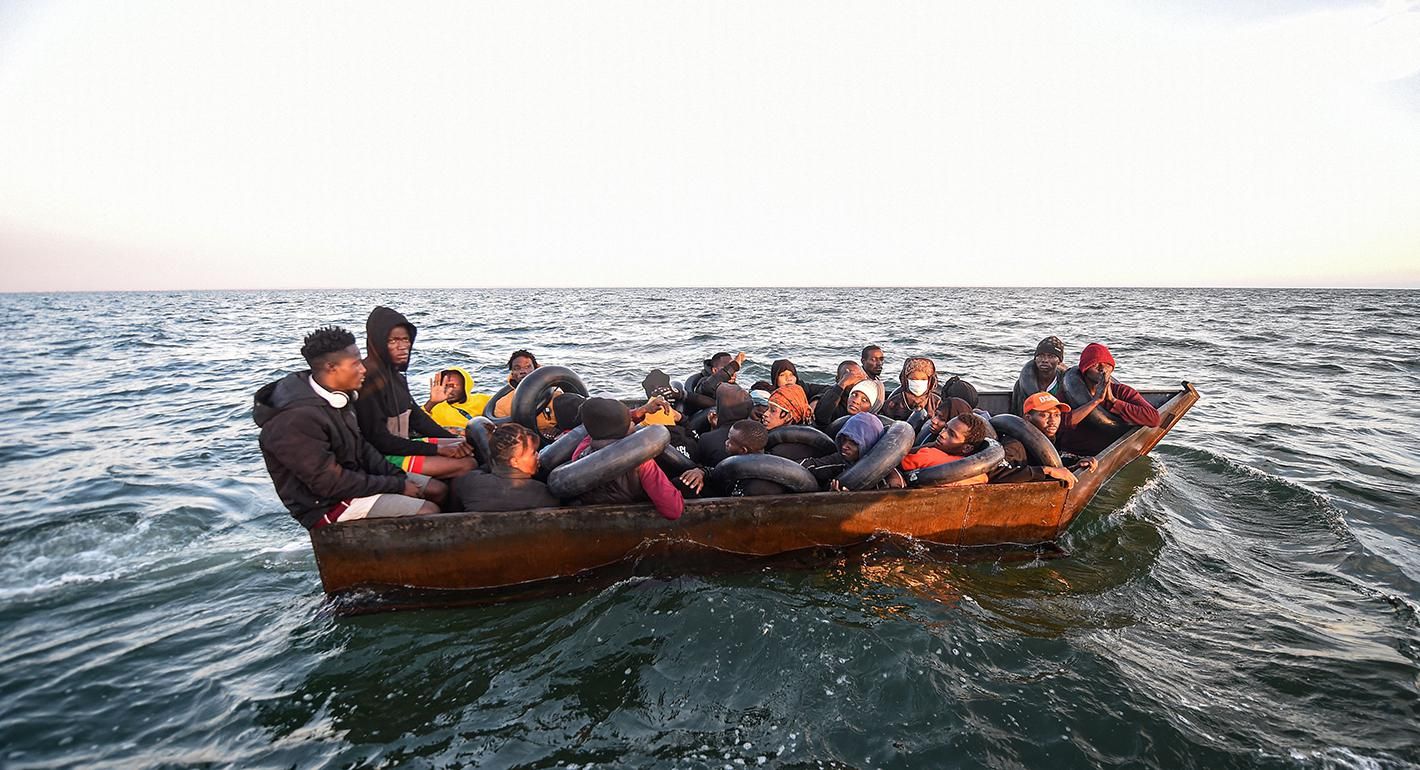
With migration routes shifting due to crackdowns in neighboring countries, Tunisia has seen an influx of people seeking passage to Europe. This has overwhelmed local authorities and intensified diplomatic tensions. Tunisia’s government faces pressure from European leaders to curb departures, but with economic despair fueling migration, solutions remain elusive.
President Saied has taken a hardline stance, ordering crackdowns on migration networks and deportations of undocumented individuals. However, human rights organizations and opposition voices warn that these measures fail to address the root causes—poverty, lack of opportunities, and political instability. The migration crisis is not just a challenge for Tunisia but a broader geopolitical issue that continues to strain relations with international partners.
With the presidential election on the horizon, Saied’s recent moves suggest an attempt to tighten his grip on power before voters head to the polls. The removal of Hachani is just one of many political maneuvers aimed at consolidating authority. Over the past few years, opposition figures, activists, and journalists have been arrested or silenced, raising concerns about democratic backsliding.
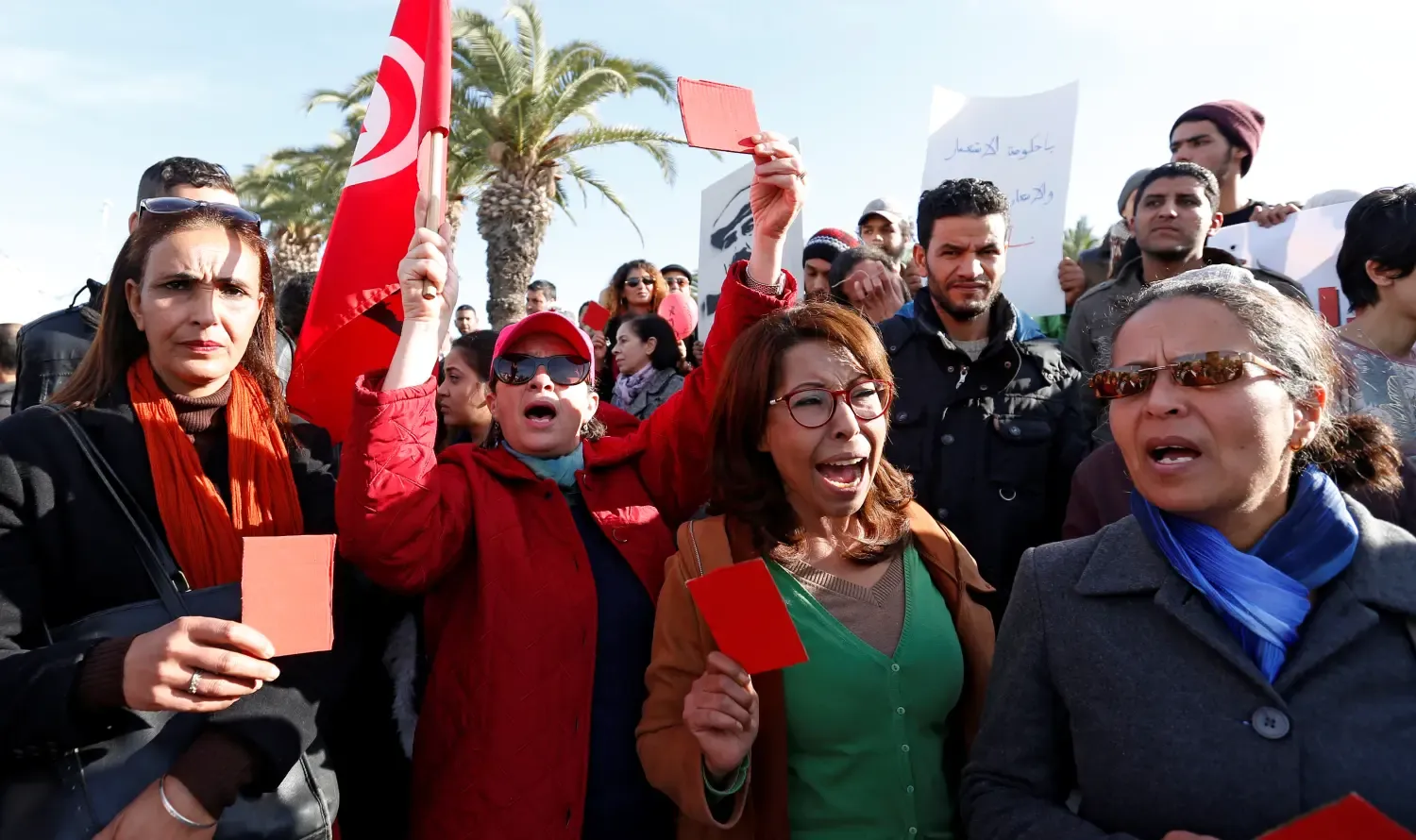
The suspension of parliamentary activities, coupled with legal actions against political opponents, has created an atmosphere of fear and uncertainty. Many Tunisians now question whether the upcoming elections will be free and fair or simply a formality to extend Saied’s rule.
The international community is closely watching Tunisia’s trajectory, with concerns over whether the country will remain committed to its democratic path or slide further into authoritarian rule. The political landscape remains tense, and with public discontent rising, Saied’s administration faces mounting challenges in maintaining stability.
Tunisia stands at a critical crossroads. The recent political upheaval, combined with worsening economic conditions and the migration crisis, has left the country in a fragile state. Saied’s leadership remains controversial—while some see him as a necessary force for stability, others fear that his rule is steering Tunisia toward greater authoritarianism.
As the election nears, tensions are likely to escalate. Protests, opposition crackdowns, and further power struggles could define the coming months. Whether Tunisia can navigate this period without descending into deeper political turmoil remains uncertain.
One thing is clear: the nation is bracing for a turbulent future, and the decisions made in the coming weeks will shape its trajectory for years to come.





0 comments