
Your Read is on the Way
Every Story Matters
Every Story Matters
The Hydropower Boom in Africa: A Green Energy Revolution Africa is tapping into its immense hydropower potential, ushering in an era of renewable energy. With monumental projects like Ethiopia’s Grand Ethiopian Renaissance Dam (GERD) and the Inga Dams in the Democratic Republic of Congo, the continent is gearing up to address its energy demands sustainably while driving economic growth.
Northern Kenya is a region rich in resources, cultural diversity, and strategic trade potential, yet it remains underutilized in the national development agenda.

Can AI Help cure HIV AIDS in 2025

Why Ruiru is Almost Dominating Thika in 2025

Mathare Exposed! Discover Mathare-Nairobi through an immersive ground and aerial Tour- HD

Bullet Bras Evolution || Where did Bullet Bras go to?
The long-standing alliance between the United States and South Africa has taken a dramatic turn with Pretoria recalling its ambassador from Washington in response to what it calls "aggressive and coercive" US policies. The crisis, which has been brewing for months, reached a tipping point after the US imposed a fresh wave of economic sanctions targeting South African industries.
While Washington insists that the measures are a response to Pretoria’s "growing alignment with hostile global actors," South Africa views the move as a direct attack on its sovereignty and economic independence.
At the heart of the diplomatic fallout is a series of economic penalties issued by the US government. These include:
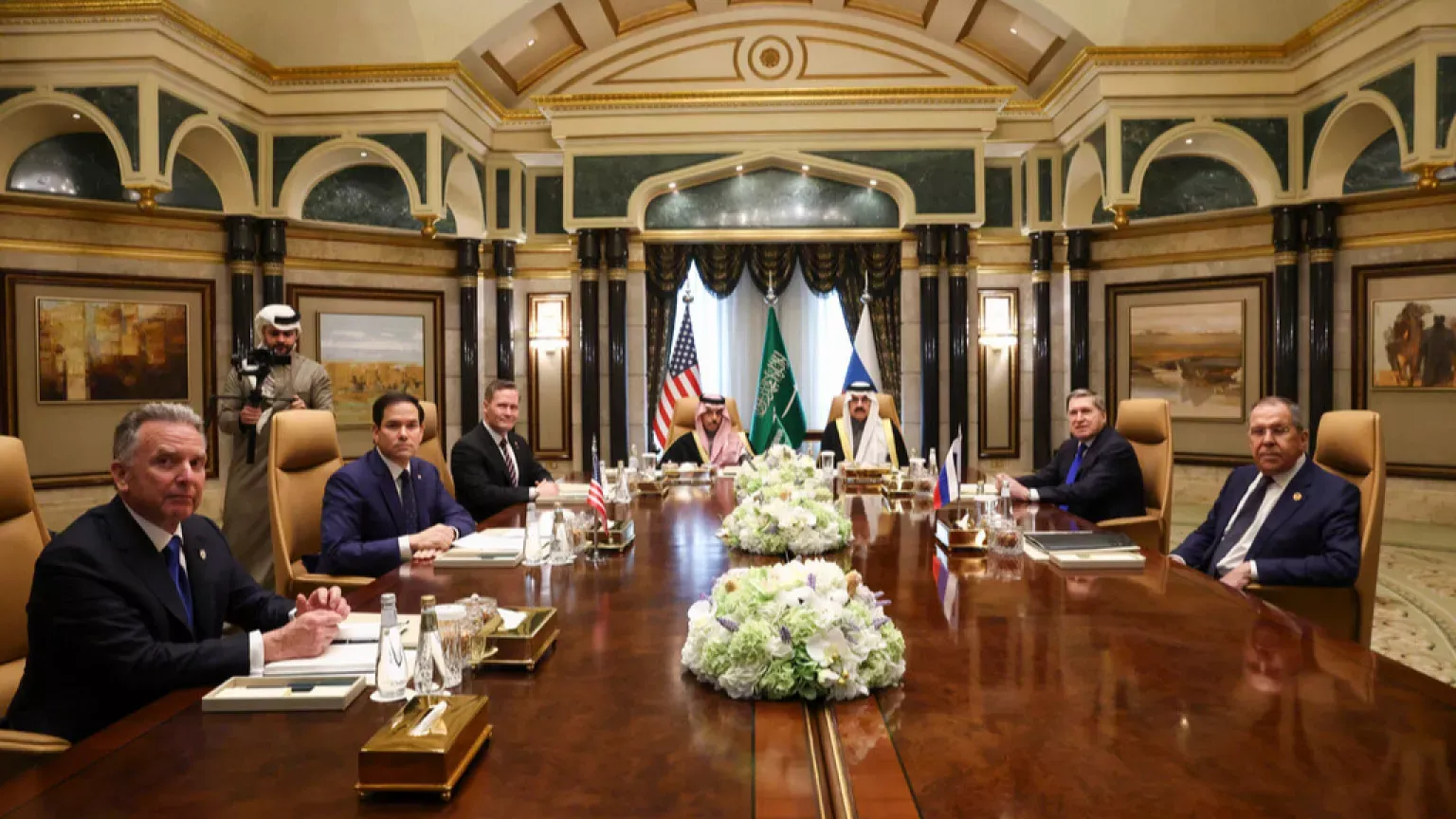

A diplomatic meeting in the United Nations. Source: stockcake.com
South African officials have called these actions "an economic stranglehold" designed to pressure the country into changing its foreign policy. In response, President Thabo Maseko delivered a defiant address, stating:
"The era of economic colonialism is over. No nation has the right to dictate who we trade with or how we govern ourselves. South Africa will not be intimidated."
The US, on the other hand, has framed its actions as a necessary response to what it calls "destabilizing alliances" formed by South Africa. Washington has been increasingly vocal about Pretoria’s deepening ties with nations that the US considers geopolitical threats.
Secretary of State Marco Rubio issued a firm warning during a foreign policy summit in Ottawa:
"South Africa has been a valued partner, but its recent actions raise serious concerns. We cannot and will not support regimes that embolden hostile actors. If South Africa continues on this path, there will be consequences beyond trade."
While Rubio did not specify what those consequences might be, sources within the State Department suggest that further diplomatic measures, including restrictions on South African diplomatic staff in the US, are being considered.
The crisis has sparked intense debate among analysts, with many questioning whether this marks a turning point in South Africa’s global positioning. Over the past few years, Pretoria has sought to diversify its diplomatic and economic partnerships, deepening ties with emerging economic blocs.
South Africa's growing involvement in alternative trade alliances, including partnerships with BRICS nations such as Brazil, Russia, India, and China, has not gone unnoticed. In a recent statement, South African Foreign Affairs Minister Naledi Mokoena defended the country’s foreign policy choices:
"South Africa is a sovereign nation with the right to engage in partnerships that benefit its people. We will not allow economic blackmail to dictate our decisions."
In response, the US has accused South Africa of undermining global stability and has hinted that more African nations could face similar consequences if they follow Pretoria’s lead.
The escalating dispute between the US and South Africa has not gone unnoticed by the rest of the continent. Several African leaders have expressed concerns that Washington’s actions could be a prelude to wider economic pressure on nations that seek alternatives to Western-dominated trade agreements.

The logo of AU. Source: AFP
Countries such as Nigeria and Kenya have signaled their support for South Africa’s stance, warning that external interference in national policies could set a dangerous precedent. Meanwhile, international observers are closely watching how the African Union will respond, as a broader continental shift could reshape Africa’s diplomatic landscape.
With South Africa’s ambassador now officially recalled, experts predict that the crisis will only deepen unless both sides agree to urgent diplomatic negotiations. The US may double down on its economic pressure campaign, while South Africa could seek further economic independence by expanding its relationships with alternative trading partners.
The world is now watching closely. Will this be resolved through diplomacy, or is this the beginning of a wider global divide?





0 comments