
Your Read is on the Way
Every Story Matters
Every Story Matters
The Hydropower Boom in Africa: A Green Energy Revolution Africa is tapping into its immense hydropower potential, ushering in an era of renewable energy. With monumental projects like Ethiopia’s Grand Ethiopian Renaissance Dam (GERD) and the Inga Dams in the Democratic Republic of Congo, the continent is gearing up to address its energy demands sustainably while driving economic growth.
Northern Kenya is a region rich in resources, cultural diversity, and strategic trade potential, yet it remains underutilized in the national development agenda.

Can AI Help cure HIV AIDS in 2025

Why Ruiru is Almost Dominating Thika in 2025
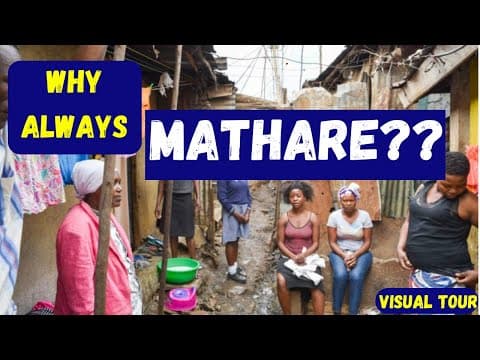
Mathare Exposed! Discover Mathare-Nairobi through an immersive ground and aerial Tour- HD

Bullet Bras Evolution || Where did Bullet Bras go to?
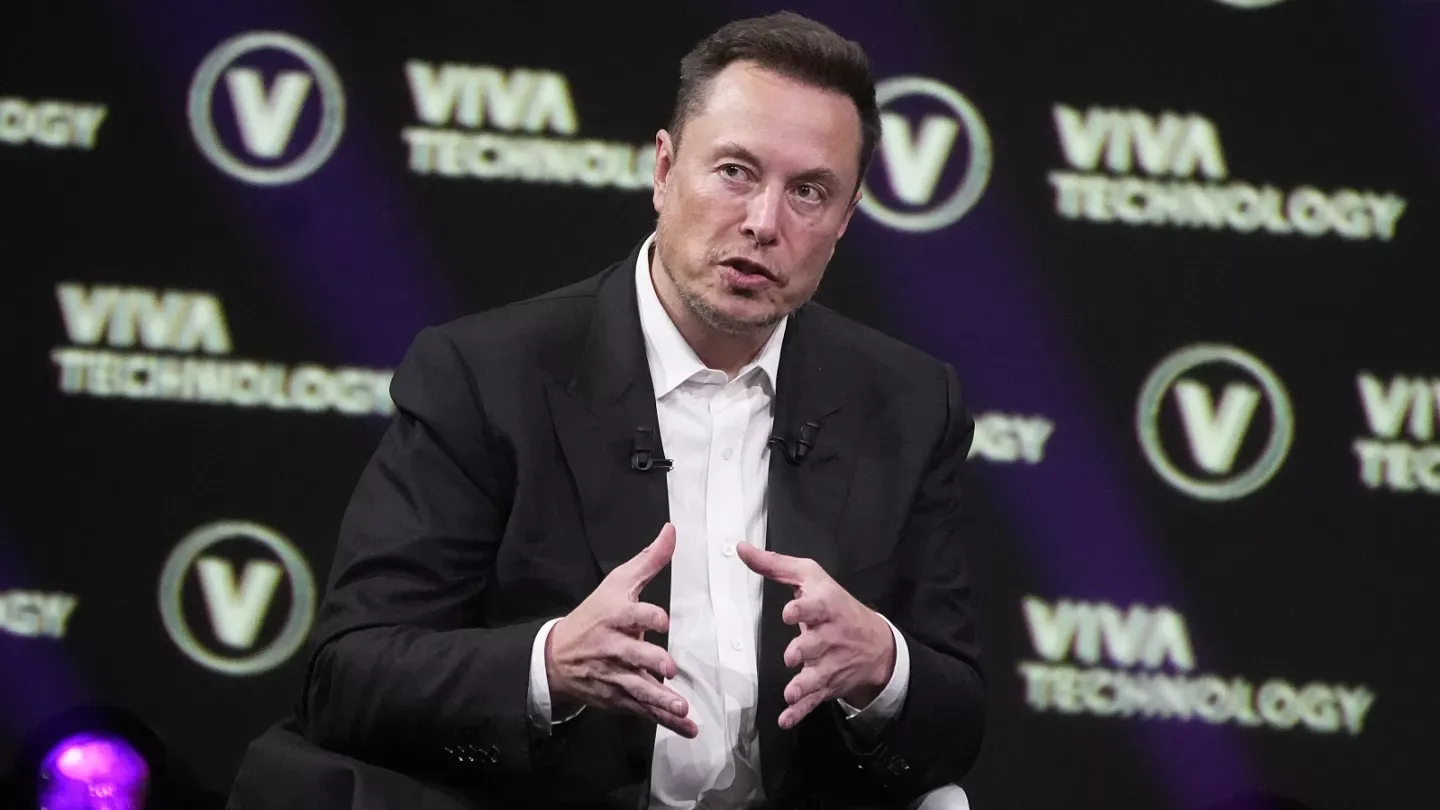
Elon Musk, the billionaire known for revolutionizing space travel and electric cars, has found himself in a heated dispute with the country of his birth—South Africa. At the heart of the controversy? Starlink, his satellite internet service, which has struggled to gain access to the South African market. But while Musk blames racial policies, the real issue runs much deeper.
Musk, never one to hold back on social media, claimed that South Africa was blocking Starlink because he is not Black. His comment immediately ignited debate, with government officials pushing back. Clayson Monyela, a senior foreign affairs official, directly responded, calling Musk’s claim "not true" and emphasizing that any company, including Starlink, is welcome—so long as it follows local laws.
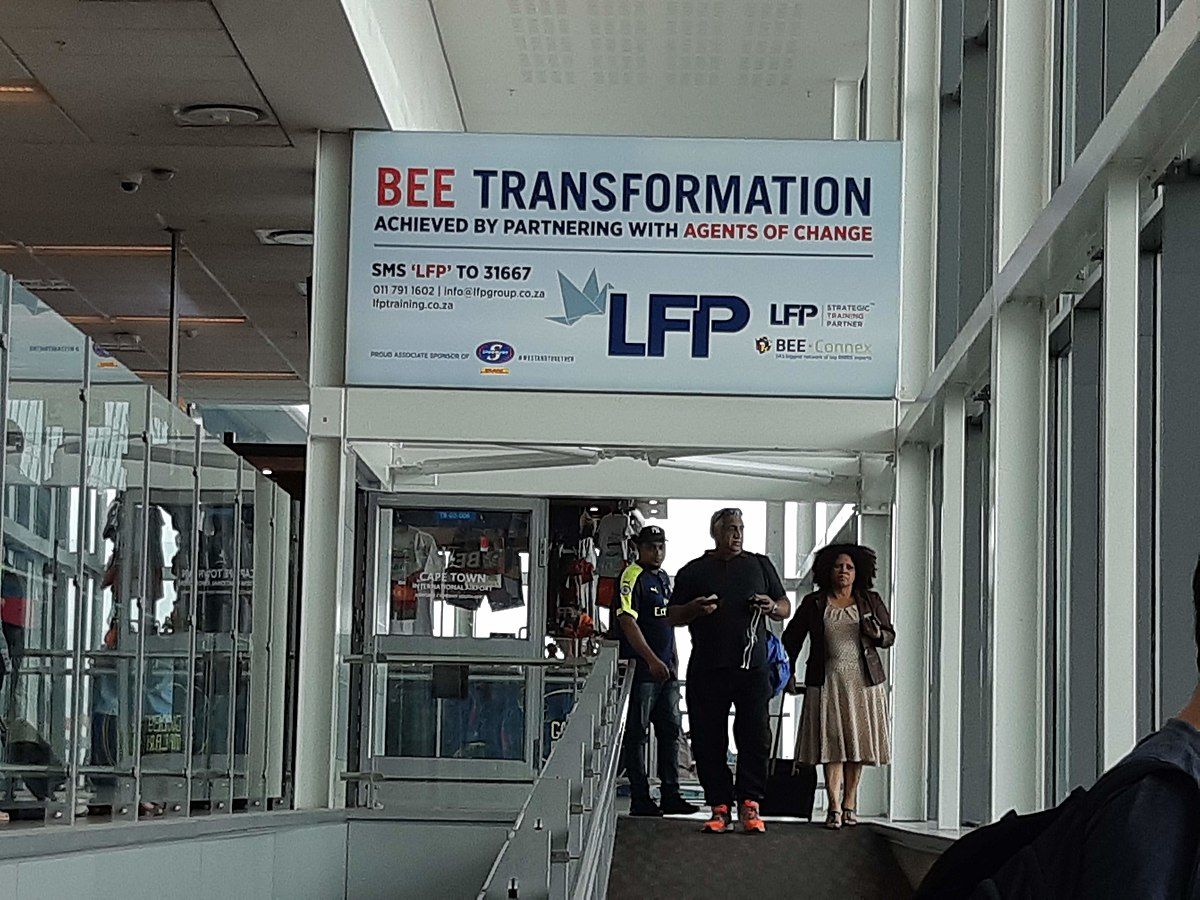
At the center of the issue is South Africa’s Black Economic Empowerment (BEE) laws, which require foreign telecom companies to allocate 30% ownership to historically disadvantaged groups. While Musk portrays this as a barrier to his entry, others argue that it is a necessary policy designed to correct past injustices and ensure economic participation for Black South Africans.
Adding to the controversy, South Africa’s telecom regulator, ICASA, revealed that Starlink or its parent company, SpaceX, had never actually applied for a license. This revelation casts doubt on Musk’s outrage—if he never formally sought approval, can he really claim discrimination?
Some speculate that Musk’s real frustration lies in the BEE requirement, which SpaceX reportedly tried to challenge in private discussions with regulators. TechCentral reported that SpaceX pushed ICASA to reconsider the 30% ownership mandate, but no changes were made.
The dispute raises a larger question: Should a global tech giant be able to dictate the terms of its operation in sovereign nations? Many African governments are wary of handing control of their digital infrastructure to foreign billionaires, even ones promising innovation and connectivity.
South Africa is not alone in its caution. Other African nations, such as Cameroon and Namibia, have also pushed back against Starlink’s expansion due to licensing disagreements.
Meanwhile, Musk’s relationship with the U.S. government adds another layer of complexity. His close ties with former President Donald Trump and his growing influence in tech and space policy make him a politically charged figure. Some observers wonder if Musk’s criticism of South Africa is about business or about advancing a broader ideological agenda.
For now, Starlink remains unavailable in South Africa, leaving citizens to rely on existing telecom providers. But the debate over billionaire influence, national policies, and internet access is far from over. The outcome of this battle could set a precedent for how African nations engage with global tech giants in the years to come.
One thing is certain: Elon Musk isn’t done talking, and neither is South Africa.




0 comments