
Your Read is on the Way
Every Story Matters
Every Story Matters
The Hydropower Boom in Africa: A Green Energy Revolution Africa is tapping into its immense hydropower potential, ushering in an era of renewable energy. With monumental projects like Ethiopia’s Grand Ethiopian Renaissance Dam (GERD) and the Inga Dams in the Democratic Republic of Congo, the continent is gearing up to address its energy demands sustainably while driving economic growth.
Northern Kenya is a region rich in resources, cultural diversity, and strategic trade potential, yet it remains underutilized in the national development agenda.

Can AI Help cure HIV AIDS in 2025

Why Ruiru is Almost Dominating Thika in 2025

Mathare Exposed! Discover Mathare-Nairobi through an immersive ground and aerial Tour- HD

Bullet Bras Evolution || Where did Bullet Bras go to?
Behind closed doors in Nairobi, a formidable coalition is rising—not with rifles or rallies, but with legal papers, encrypted calls, and a determination to dismantle East Africa’s culture of authoritarian impunity. Leading this underground movement is none other than Senior Counsel Martha Karua, who has traded traditional activism for a sharper, quieter tool: lawfare.
Rather than issuing public pleas or waiting on continental committees, Karua has quietly activated a sophisticated network of human rights lawyers, whistleblowers, and digital forensics teams. The mission? To build an airtight transnational legal case against Tanzanian state actors implicated in the enforced disappearance of Ugandan activist Agathar Atuhaire and the illegal detention and torture of Kenya’s Boniface Mwangi.
While a letter to the African Union might appear to be Karua’s loudest move, insiders say it was just the opening act. Simultaneously, her coalition—codenamed Justice Wave—has already begun collecting and preserving digital evidence from the border zones, encrypted text messages from victims, and leaked memos from East African bureaucracies.
This isn’t just advocacy—it’s litigation in motion.
They’re compiling a case set to be filed in multiple jurisdictions: Kenya’s High Court, Uganda’s Constitutional Court, and even the African Court on Human and Peoples’ Rights in Arusha, daring to bring the fight to Tanzania’s doorstep. They’re also working with diaspora-based legal watchdogs who have access to Western human rights sanctioning mechanisms, including the Magnitsky Act.
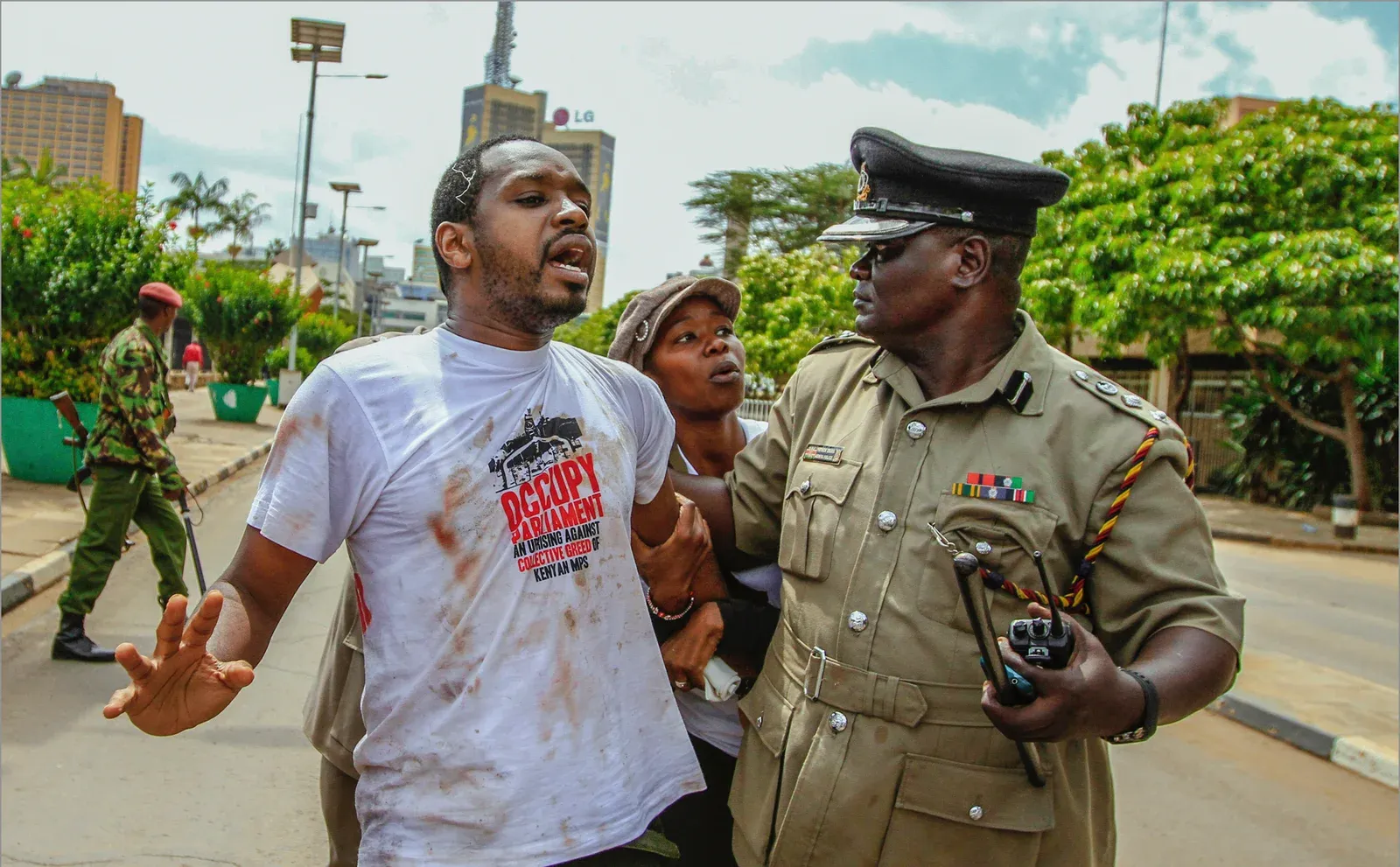
Karua’s legal army doesn’t stop at Mwangi and Atuhaire’s cases. Justice Wave is aggregating over a dozen similar incidents across East Africa—harassment of journalists in Uganda, unlawful deportations in Rwanda, arbitrary arrests in Ethiopia, and violent election crackdowns in Tanzania. Each thread strengthens a regional class-action dossier designed to shatter the myth of sovereign immunity.
“This is the end of quiet suffering,” a Nairobi-based barrister in the coalition whispered. “The courtroom is our revolution.”
This legal battle isn’t confined to marble courtrooms. Justice Wave has launched shadow “People’s Tribunals” streamed anonymously via secure servers in The Netherlands. Here, survivors like Boniface Mwangi give testimony, and independent panels of retired judges offer symbolic verdicts. Though not legally binding, they serve as moral firepower—and grab international headlines.
One such tribunal hearing in early May featured testimony from Tanzanian exiles and a whistleblower from within the immigration service. The testimony revealed that activist surveillance is embedded in regional intelligence-sharing protocols under the guise of counterterrorism—a potential violation of international law.
So far, Tanzanian President Samia Suluhu Hassan has remained publicly silent. But diplomatic murmurs suggest Dar es Salaam is tightening press freedom and blacklisting certain lawyers at border crossings. Meanwhile, Kenya’s top legal advisors are reportedly divided, with some fearing retaliation, while others quietly assist the Karua-led effort.
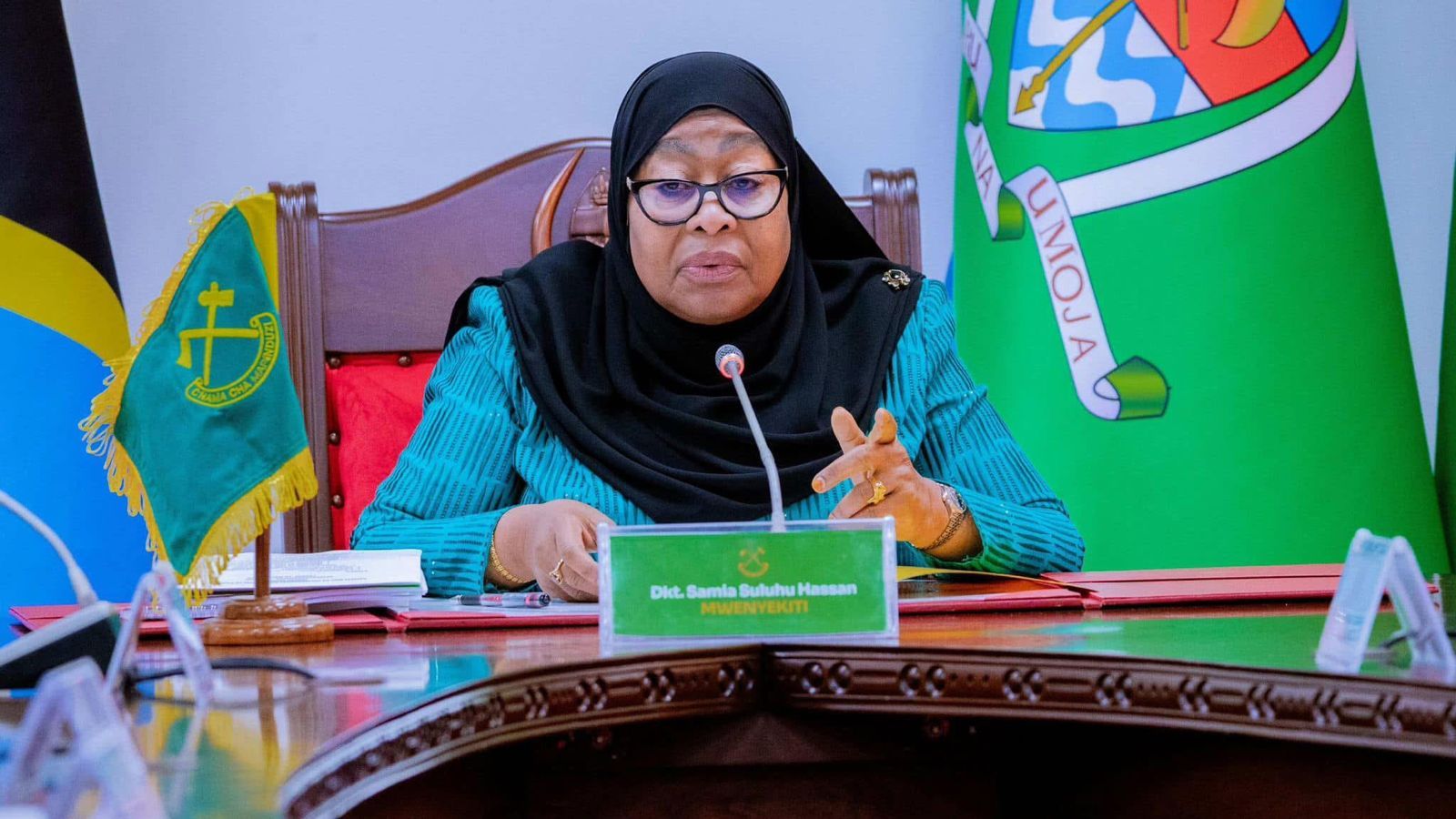
The AU and EAC, often accused of being toothless, are under immense pressure to respond decisively—or risk being sidelined by this new model of citizen-driven regional justice.
Karua isn’t just fighting for Boniface and Agathar. She’s chasing a greater legacy: the establishment of a permanent East African Civil Rights Tribunal, independent of political influence and modeled after the Inter-American system. Her team is already drafting a charter proposal with support from over 30 civil society groups and legal think tanks.
“If our governments won’t protect us, we will build institutions that do,” she reportedly told her team during a midnight strategy session. “This isn’t politics. It’s protection.”
As Karua’s network builds momentum, one thing is clear—this isn’t just about courtrooms or communiqués. It’s about rewriting the rules of accountability in a region long plagued by silence and submission. With each legal petition, encrypted testimony, and tribunal broadcast, the quiet coup grows louder.
And East Africa's strongmen? For once, they’re the ones being watched.






0 comments