
Your Read is on the Way
Every Story Matters
Every Story Matters
The Hydropower Boom in Africa: A Green Energy Revolution Africa is tapping into its immense hydropower potential, ushering in an era of renewable energy. With monumental projects like Ethiopia’s Grand Ethiopian Renaissance Dam (GERD) and the Inga Dams in the Democratic Republic of Congo, the continent is gearing up to address its energy demands sustainably while driving economic growth.
Northern Kenya is a region rich in resources, cultural diversity, and strategic trade potential, yet it remains underutilized in the national development agenda.

Can AI Help cure HIV AIDS in 2025

Why Ruiru is Almost Dominating Thika in 2025

Mathare Exposed! Discover Mathare-Nairobi through an immersive ground and aerial Tour- HD

Bullet Bras Evolution || Where did Bullet Bras go to?
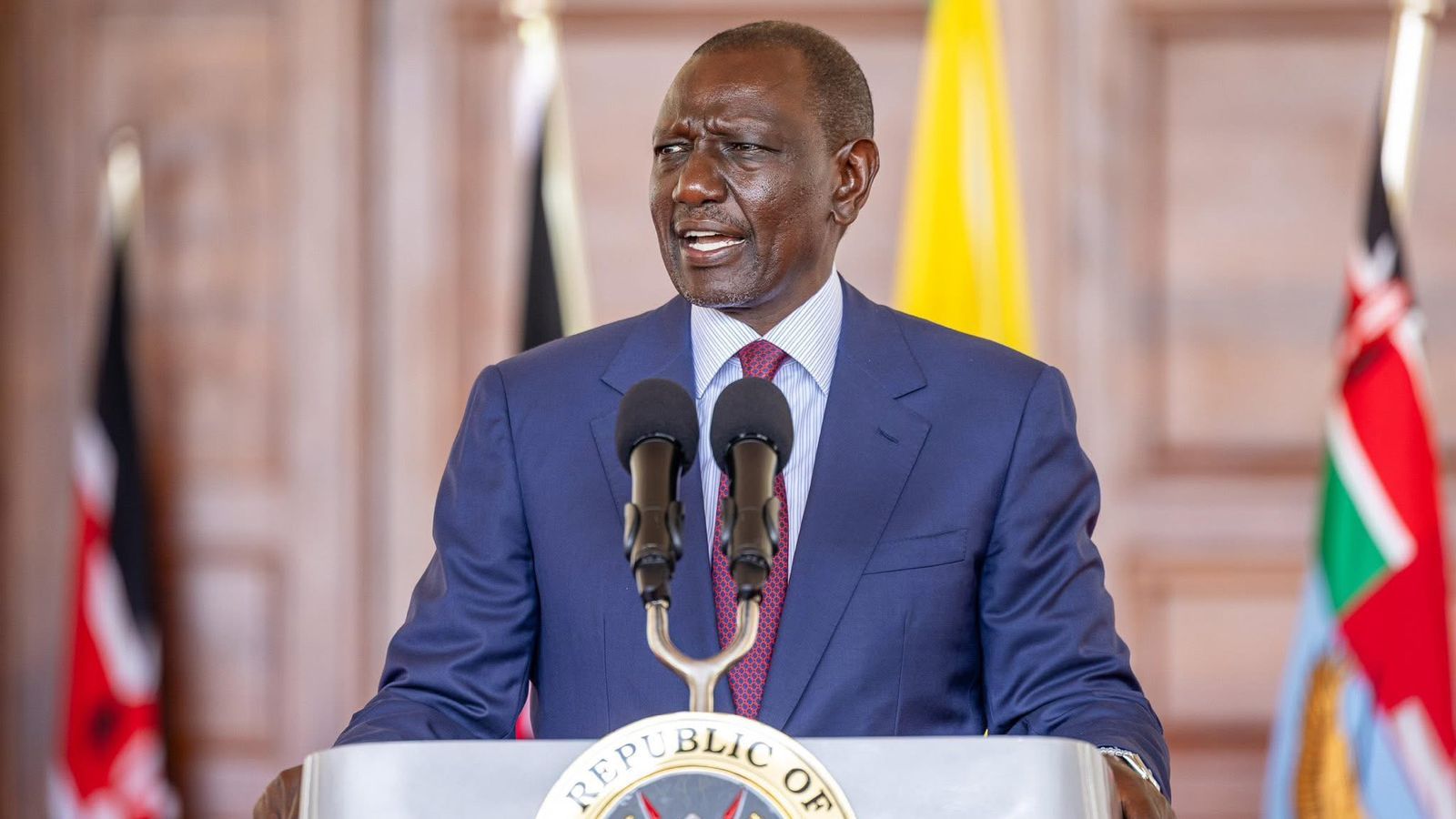
Following the supposed coup in Ivory Coast—whether real or symbolic—Kenya has entered the conversation in a startling way. In a recent surge of online posts, calls for regime change have echoed louder, emboldened by what many believe to be a continental awakening against decades of elite rule and economic disenfranchisement.
It’s not the first time discontent has surfaced in Kenya. But this time, the narrative feels different. It's not isolated. It’s part of a larger African undercurrent—a wave of anti-neocolonial resistance sweeping from the Sahel to the shores of the Indian Ocean.
One tweet sums it up:
“Today, after being inspired by the successful Ivory Coast coup, this Kenyan again vowed to uphold his mission of overthrowing Ruto's regime and all political class.”
— @Goldfield6
The language isn’t just angry. It’s committed. And that makes all the difference.
Kenya has long branded itself as an island of stability in a tumultuous region. But beneath the surface lies a litany of unresolved tensions:
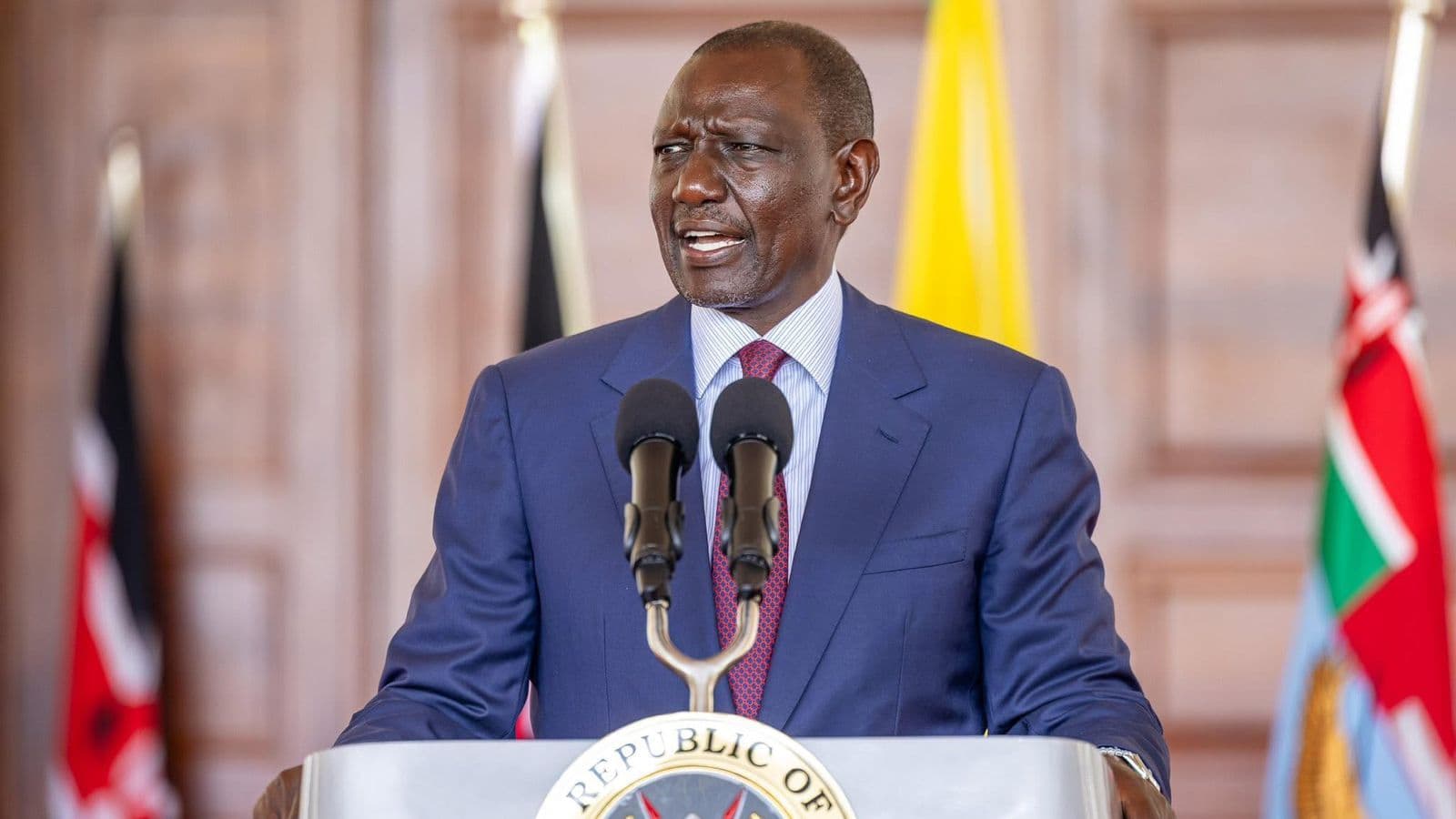
The administration of President William Ruto, which came to power amid controversy and accusations of electoral irregularities, has not fully escaped legitimacy questions. Ruto’s own political journey—from a "hustler" narrative to perceived elite protector—has left many disillusioned.
If a coup were to happen in Kenya, it wouldn’t be out of nowhere. It would be the result of years of simmering frustration, mistrust in democratic processes, and a growing belief that change through ballots is a dead end.
Across Africa, coups are no longer taboo. In fact, they're increasingly seen—rightly or wrongly—as course corrections to elite misrule.
Now, Kenya is watching. And the digital voices pushing for radical change are no longer hiding in the shadows.
But Kenya is not Mali. It has a stronger civil society, a more engaged press, and a long tradition of electoral politics—however flawed. Still, the allure of a “reset button” through force is growing more appealing to the angry and disillusioned.
If such an event were to occur, it would shake East Africa to its core. Here’s what could follow:
In short: It would be continental chaos, with Nairobi as the first domino.
While Kenya has its problems, the likelihood of a full military coup remains low—for now. The Kenyan Defense Forces (KDF) are professionalized, closely tied to global peacekeeping missions, and unlikely to act without widespread breakdown in civilian order.
But this doesn’t mean the danger has passed. Kenya’s real risk lies in a “soft coup”—a stealthy erosion of democratic institutions, manipulated elections, suppressed dissent, and violent resistance from below that gradually becomes normalized.
The threat may not come from the generals—but from the streets.




0 comments