









The Escalating Crisis in the DRC
The Democratic Republic of the Congo (DRC) has been mired in conflict for decades, and it appears that the situation is becoming more dangerous and intractable with each passing year. Numerous armed groups, both internal and external, continue to fight for control over valuable resources, while the Congolese government struggles to maintain control in many areas. What was once a localized crisis has escalated into a multi-faceted conflict with far-reaching implications for the entire region. This instability, compounded by the presence of foreign-backed militias and extreme poverty, has created a perfect storm of violence, which shows no signs of abating anytime soon.
Over the past few years, the fighting has intensified as various militias take advantage of weak state structures to seize territory, primarily in the eastern provinces of North and South Kivu. The result has been widespread displacement of civilians, mass atrocities, and significant human suffering. Many areas of the country are simply too dangerous for aid workers or journalists to operate in, making it difficult to assess the true scale of the crisis. But one thing is clear: The DRC conflict has reached a boiling point, and its effects are beginning to ripple outward, threatening the stability of neighboring nations.
Ruto’s Warning: A Regional Security Concern
Kenya’s President William Ruto has recently expressed grave concerns about the growing impact of the DRC conflict on the surrounding East African nations. He warned that the escalating violence threatens to spill over into neighboring countries such as Uganda, Rwanda, and Burundi, undermining the fragile peace that these nations have worked hard to maintain over the past few decades. In particular, President Ruto emphasized the vulnerability of Kenya, Uganda, and Rwanda, all of which share borders with the DRC and are already grappling with the negative effects of the conflict.
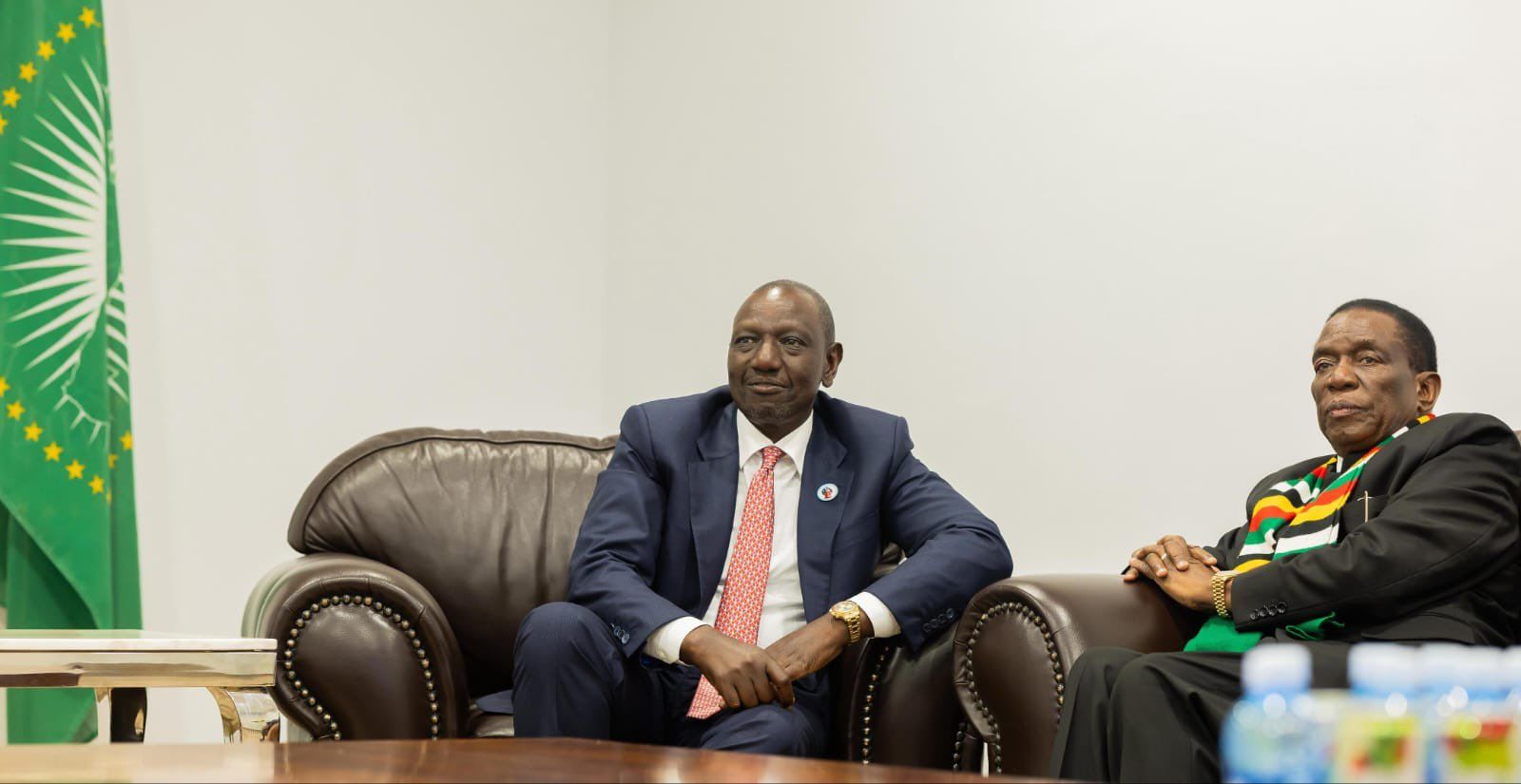
Ruto's warning is significant because it highlights a deeper regional concern that goes beyond the borders of the DRC. While the fighting may seem distant to many, the long-standing instability in the DRC has always had the potential to destabilize the wider East African region. As President Ruto pointed out, the situation in the DRC has the potential to escalate into a full-blown regional crisis if the international community does not act swiftly. The Kenyan president’s comments echo the sentiments of many regional leaders, who are anxious about the future of East Africa if the DRC conflict continues unabated.
The primary concern is the spillover of violence from the DRC into surrounding nations. Armed militias operating in the eastern DRC often cross the border into Rwanda and Uganda, attacking local populations and destabilizing already vulnerable regions. Additionally, the conflict has led to a significant increase in refugees fleeing to neighboring countries, creating a humanitarian crisis that threatens to overwhelm the resources of these nations. As tensions rise, border skirmishes have become more common, and the risk of an all-out regional war looms larger than ever.
The Risk of Spillover: Regional Instability
East African countries are all too familiar with the destabilizing effects of conflict spilling over their borders. The DRC, with its vast size and geographical proximity, is a major source of both direct and indirect threats to neighboring countries. The violence in the DRC has fueled a range of problems, from the spread of armed groups to the displacement of thousands of people across borders.
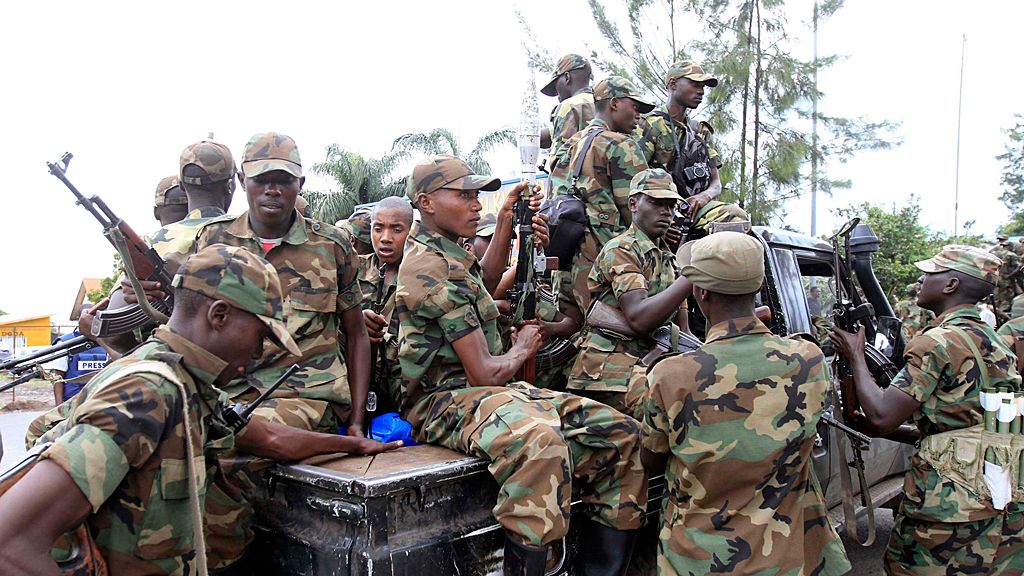
Militias operating in the DRC have long used the porous borders to their advantage, creating further instability in Uganda, Rwanda, and Burundi. These groups often receive support from foreign actors or rebel movements, exacerbating the crisis and making it harder for the Congolese government to maintain control. For example, Rwanda and Uganda have been accused of providing military support to various rebel factions in the DRC, while rebel groups from the DRC have been accused of launching attacks into neighboring countries. These actions create a vicious cycle of violence that threatens to destabilize the entire region.
Moreover, the situation in the DRC is complicated by the presence of extremist groups, including those with ties to international terror organizations. These groups find fertile ground in the chaos of the DRC, and their reach extends beyond the borders of the country. In recent years, extremist factions have taken advantage of the weak security infrastructure in the region to expand their operations. This has the potential to spread radical ideologies into neighboring countries, further compounding security risks in an already volatile region.
East Africa's Fragile Peace and Economic Vulnerabilities
While security concerns are front and center, the DRC conflict also has serious economic ramifications for the entire East African region. The region’s fragile peace is directly tied to the stability of its neighbors, and the DRC’s ongoing turmoil threatens to undermine years of progress toward economic cooperation and regional integration.
Trade routes that pass through or near the DRC are vital to the economies of countries like Uganda, Kenya, and Rwanda. These routes connect the landlocked nations of East Africa to the outside world, and disruptions caused by the conflict could lead to significant economic losses. Moreover, these nations rely on the smooth flow of goods and services across borders to maintain their economies. With the violence in the DRC disrupting supply chains, East African economies are feeling the impact, from rising costs to supply shortages.
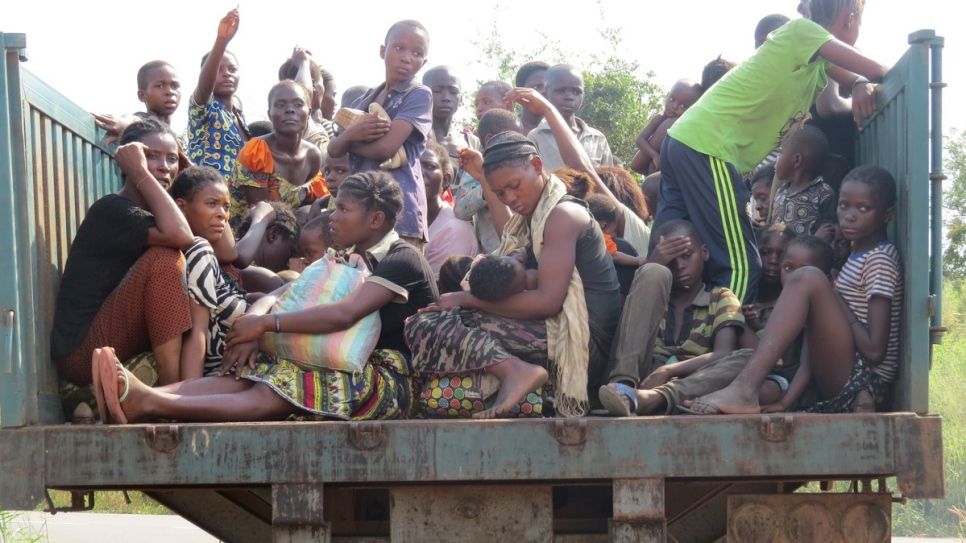
In addition to the economic disruptions, the ongoing conflict in the DRC has triggered a refugee crisis. Thousands of displaced Congolese people have fled across the border into Uganda, Rwanda, and Burundi, seeking safety from the violence. The influx of refugees has strained already limited resources in these countries, which are struggling to provide shelter, food, and medical care for the growing numbers of displaced people. Refugee camps are overcrowded, and local populations are becoming increasingly frustrated with the strain placed on their economies and infrastructure.
A Call for Collective Action: The Path Forward
In response to the growing concerns surrounding the DRC conflict, President Ruto has called for greater regional cooperation and more robust international intervention. He emphasized that the crisis in the DRC cannot be solved by any one nation acting alone, but rather requires a coordinated effort between regional powers and the international community.
Kenya, along with other East African nations, has been involved in peacekeeping missions and diplomatic initiatives aimed at halting the violence in the DRC. However, Ruto noted that these efforts have been insufficient in curbing the growing threat. He called for increased resources to support the efforts of peacekeepers and to enhance diplomatic pressure on the parties involved in the conflict. The international community, he urged, must take a more active role in addressing the root causes of the conflict and providing long-term solutions to the crisis.
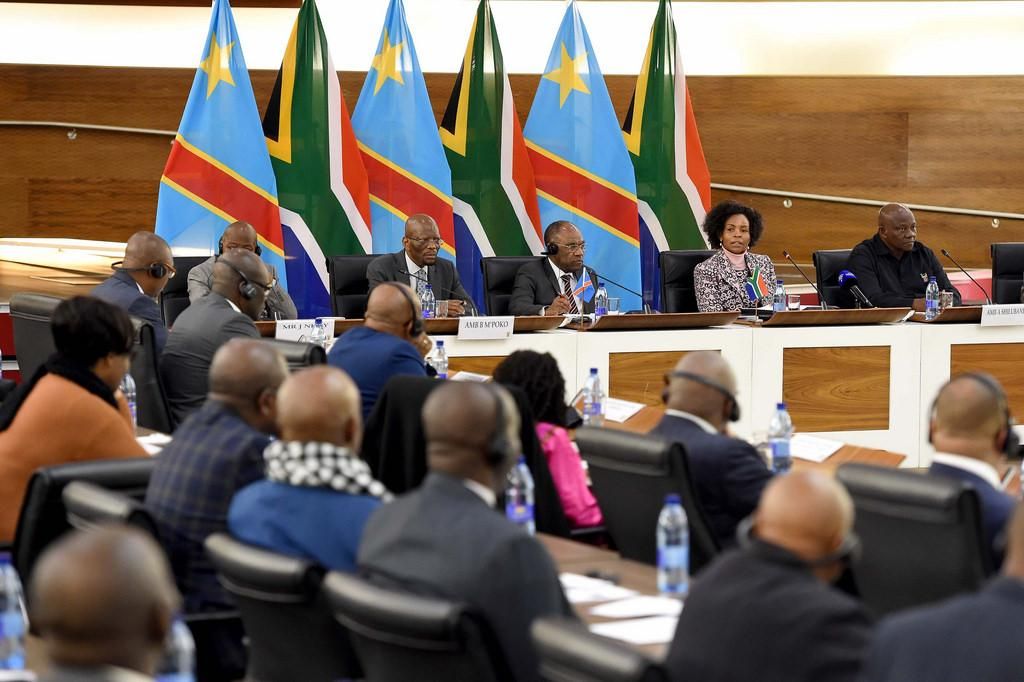
In addition to regional peacekeeping, President Ruto emphasized the importance of dialogue and reconciliation within the DRC. He stressed that a lasting solution to the conflict must involve all stakeholders, including the Congolese government, local militias, and international mediators. Without inclusive dialogue, the chances for a lasting peace remain slim.
Conclusion: A Ticking Time Bomb for East Africa
The situation in the DRC is more than just a domestic issue; it is a regional problem with wide-ranging consequences for East Africa and beyond. The DRC’s ongoing conflict threatens to destabilize not only the country itself but also its neighbors, putting regional peace, security, and economic prosperity at risk. President William Ruto’s warnings should not be taken lightly. The time for decisive action is now before the conflict spills over and destabilizes East Africa even further.
The road ahead will require increased collaboration, stronger peacekeeping efforts, and a sustained international commitment to addressing the root causes of the conflict. If regional and international actors fail to act swiftly, the DRC crisis could transform into a much larger regional catastrophe, one that could take years, if not decades, to recover from. East Africa cannot afford to wait any longer.
0 comments