
Your Read is on the Way
Every Story Matters
Every Story Matters
The Hydropower Boom in Africa: A Green Energy Revolution Africa is tapping into its immense hydropower potential, ushering in an era of renewable energy. With monumental projects like Ethiopia’s Grand Ethiopian Renaissance Dam (GERD) and the Inga Dams in the Democratic Republic of Congo, the continent is gearing up to address its energy demands sustainably while driving economic growth.
Northern Kenya is a region rich in resources, cultural diversity, and strategic trade potential, yet it remains underutilized in the national development agenda.

Can AI Help cure HIV AIDS in 2025

Why Ruiru is Almost Dominating Thika in 2025

Mathare Exposed! Discover Mathare-Nairobi through an immersive ground and aerial Tour- HD

Bullet Bras Evolution || Where did Bullet Bras go to?
A controversial proposal by the United States and Israel to permanently relocate Palestinians from Gaza to East African nations has sparked international outrage and condemnation. The plan, which envisions turning Gaza into a thriving economic and tourism hub, hinges on the mass displacement of its current Palestinian residents. While proponents argue that this could lead to regional stability and economic growth, critics see it as a blatant attempt at ethnic cleansing and a violation of international law. The proposal has been met with strong resistance from the Arab world, European governments, and human rights organizations, raising serious ethical, legal, and humanitarian concerns.
This article explores the details of the plan, the countries targeted for relocation, the global backlash, and the possible implications of such a drastic move. It also examines alternative solutions that have been proposed to address the crisis in Gaza without resorting to forced displacement.
This proposal is an ambitious vision to transform Gaza into a prosperous region, potentially modeled after Mediterranean coastal economies such as Dubai or Monaco. The plan, reportedly pushed by Israeli officials and backed by certain U.S. policymakers, involves relocating Gaza’s 2.3 million Palestinian residents to other nations. Once depopulated, the region would be developed into a modern, high-value real estate and tourism center, attracting global investors and reshaping the economic landscape of the eastern Mediterranean.
However, this vision requires a significant and highly controversial step: finding alternative locations to permanently resettle the Palestinian population. Reports indicate that Israeli and American officials have engaged in discussions with several East African countries, offering economic and political incentives in exchange for accepting displaced Palestinians. The targeted nations include Sudan, Somalia, and the self-declared independent region of Somaliland.
Efforts to secure agreements with East African nations have been met with mixed responses, with some outright rejecting the proposal and others denying any knowledge of such discussions.

Sudan: The Sudanese government has categorically rejected the plan, citing its own internal conflicts and humanitarian crises. The country is already struggling with political instability and ongoing violence, particularly in the Darfur region, making it an unsuitable location for such a large influx of refugees. Sudanese officials have made it clear that they will not participate in any scheme that involves forced resettlement of Palestinians within their borders.
Somalia & Somaliland: Somali government officials, as well as leaders from the self-declared independent region of Somaliland, have denied any knowledge of discussions regarding the resettlement plan. Given Somalia’s long history of conflict, instability, and economic struggles, it is unlikely that the country would be in a position to accommodate large numbers of displaced Palestinians. Somaliland, which seeks international recognition as a sovereign state, may also be hesitant to engage in such a politically sensitive arrangement.
Other Potential Countries: While no concrete agreements have been reached, it is possible that other East African nations could be approached in the future. The U.S. and Israel may look toward countries with more stable political environments and economic incentives that could make them more willing to consider hosting Palestinian refugees.
The proposal has been met with widespread condemnation from the international community, with many calling it an outright violation of human rights and international law. Arab governments, European nations, and global human rights organizations have strongly opposed the idea, arguing that forced displacement of Palestinians would amount to ethnic cleansing and could set a dangerous precedent for resolving conflicts through mass population transfers.
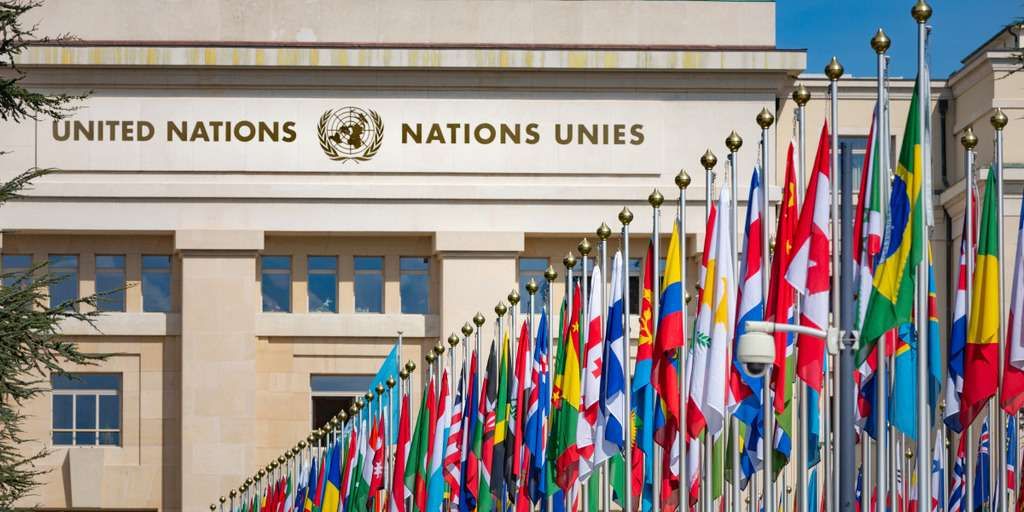
From a legal standpoint, the relocation of an entire population against their will is considered a violation of the Fourth Geneva Convention, which prohibits the forced transfer of civilians under occupation. The United Nations and international human rights groups have voiced serious concerns, warning that implementing such a plan could lead to further instability and worsen the humanitarian crisis facing Palestinians.
Palestinian leaders have also rejected the plan outright, stating that it is yet another attempt to erase Palestinian identity and sovereignty. The Palestinian Authority and Hamas have both condemned the proposal, calling it a deliberate effort to dismantle Palestinian society and remove any future claims to the land. Instead of forced relocation, they argue that efforts should be directed toward ending the Israeli blockade on Gaza and supporting the reconstruction of Palestinian communities within their rightful homeland.
In response to the U.S.-Israel relocation proposal, several Arab nations have put forward an alternative plan that focuses on rebuilding Gaza rather than displacing its population. This initiative, estimated to cost around $53 billion, aims to support the reconstruction of Gaza’s infrastructure, homes, and economy while ensuring that Palestinians remain in their homeland.
The Arab-led initiative emphasizes investment in housing, healthcare, and economic development to improve the living conditions of Palestinians rather than forcing them into exile. The plan has gained significant support from Gulf nations, which have the financial capacity to contribute to rebuilding efforts. Many experts argue that such an approach would be a more ethical and sustainable way to address the crisis in Gaza, as it preserves the rights and dignity of the Palestinian people.

To persuade East African nations to accept Palestinian refugees, Israeli and U.S. officials have reportedly offered a range of incentives, including military and financial aid. These incentives are meant to encourage reluctant governments to consider the relocation plan despite widespread international criticism.
Military Assistance: Some reports suggest that the U.S. and Israel have offered military support and security cooperation to nations willing to take in Palestinians. This could include weapons sales, intelligence-sharing agreements, and defense funding to strengthen local military forces.
Postwar Reconstruction Aid: Another incentive involves financial aid for infrastructure and economic development. Countries that agree to host Palestinian refugees may receive funds to support their own domestic development projects, helping to improve roads, healthcare, and education systems.
However, despite these incentives, no country has publicly agreed to participate in the relocation plan. The political risks and ethical concerns associated with hosting large numbers of displaced Palestinians have made it difficult for Israel and the U.S. to secure any willing partners.
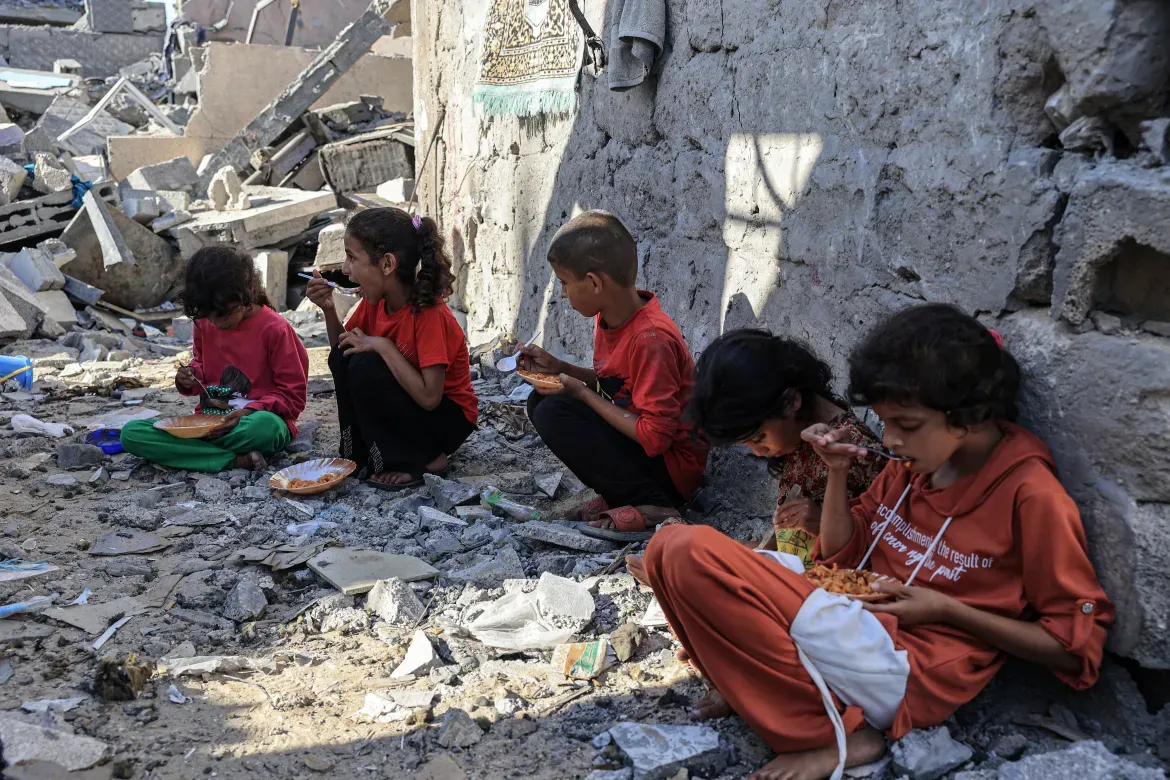
At this stage, the proposal remains stalled, with no confirmed agreements from any East African nation. The widespread opposition to the plan—both from potential host countries and the broader international community—has made it increasingly difficult for Israel and the U.S. to move forward with their vision for Gaza.
The idea of permanently resettling Palestinians outside of Gaza is unlikely to gain traction without significant geopolitical shifts. With strong resistance from Arab nations, Palestinian leaders, and human rights organizations, it is possible that the plan will be abandoned in favor of alternative solutions that prioritize reconstruction over displacement.
The proposal to relocate Gaza’s Palestinian population to East Africa has sparked intense debate, highlighting the complex political and humanitarian challenges surrounding the Israeli-Palestinian conflict. While its proponents argue that it could lead to economic revitalization and stability, the forced displacement of an entire population raises profound ethical and legal concerns.
As the world watches, the future of Gaza and its people remains uncertain. With mounting opposition to the relocation plan, international efforts may need to focus on long-term solutions that prioritize rebuilding Gaza and ensuring the rights of Palestinians to remain in their homeland. Whether through diplomatic negotiations or reconstruction initiatives, the global community faces a critical decision in shaping the future of one of the world’s most enduring conflicts.






0 comments