
Your Read is on the Way
Every Story Matters
Every Story Matters
The Hydropower Boom in Africa: A Green Energy Revolution Africa is tapping into its immense hydropower potential, ushering in an era of renewable energy. With monumental projects like Ethiopia’s Grand Ethiopian Renaissance Dam (GERD) and the Inga Dams in the Democratic Republic of Congo, the continent is gearing up to address its energy demands sustainably while driving economic growth.
Northern Kenya is a region rich in resources, cultural diversity, and strategic trade potential, yet it remains underutilized in the national development agenda.
Can AI Help cure HIV AIDS in 2025
Why Ruiru is Almost Dominating Thika in 2025
Mathare Exposed! Discover Mathare-Nairobi through an immersive ground and aerial Tour- HD

Bullet Bras Evolution || Where did Bullet Bras go to?
After the catastrophic flooding that swept through Baidoa, Somalia, families already battered by conflict and poverty found themselves again at nature’s mercy. Entire communities were uprooted overnight. Homes were lost, basic services collapsed, and the displaced sought refuge in overcrowded camps, many with nothing more than the clothes they wore.
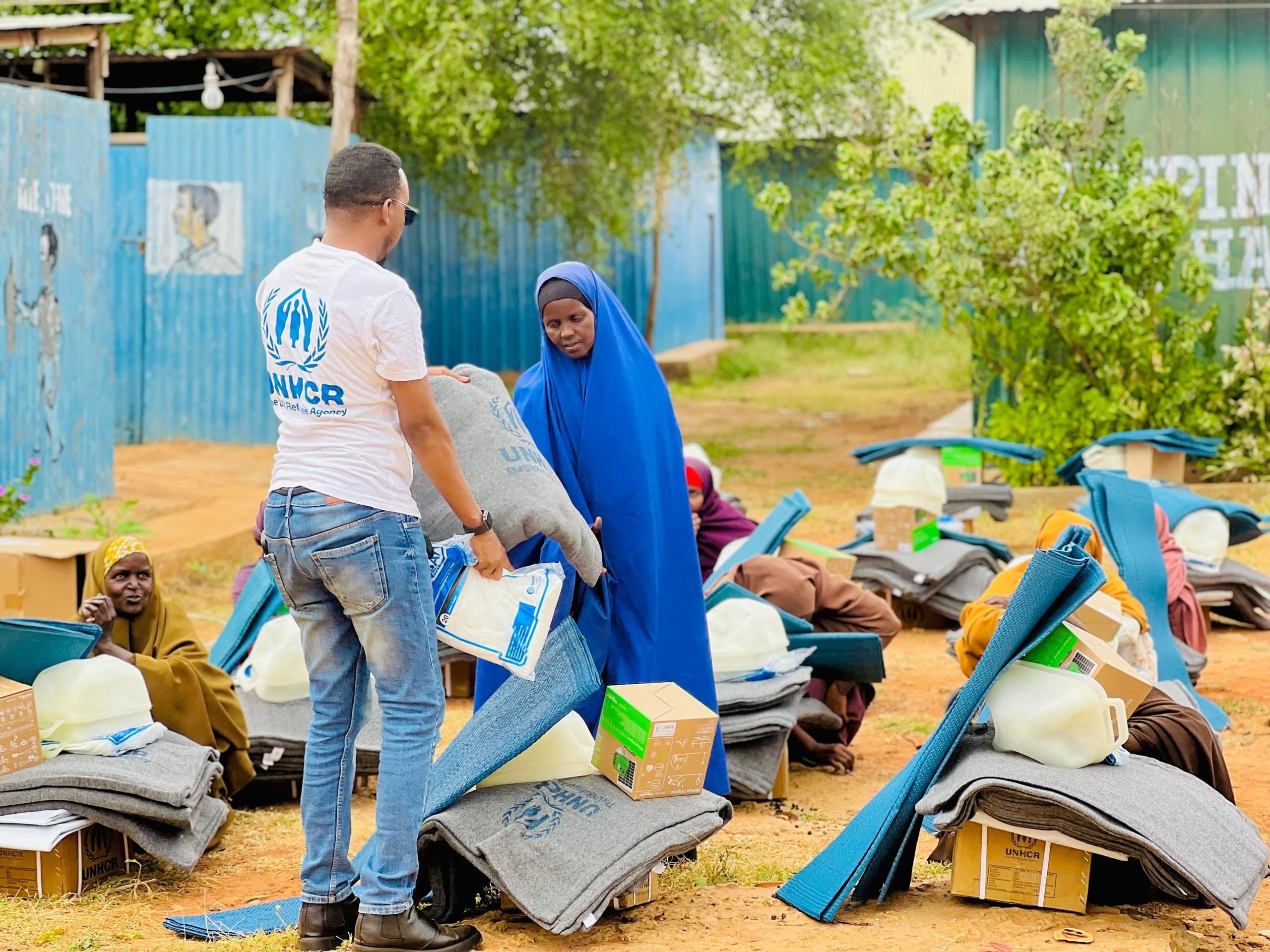
In response to this humanitarian crisis, the United Nations High Commissioner for Refugees (UNHCR) has intensified its efforts to bring tangible, life-sustaining aid to those affected. The latest phase of intervention saw the distribution of Non-Food Item (NFI) kits, a vital lifeline for displaced families struggling to cope with the fallout of extreme weather events.
The NFI kits provided by UNHCR include a mix of essential household items specifically selected to meet immediate needs in displacement settings:
-Blankets to provide warmth in temporary shelters often exposed to the elements.
-Plastic mats to insulate families from cold, damp ground surfaces in informal camps.
-Kitchen sets to allow for food preparation and basic sustenance in displacement.
-Jerrycans for clean water storage in areas where access to safe drinking water is inconsistent.
These items may appear simple, but in the wake of a disaster, they are critical tools for survival. Beyond functionality, they symbolize dignity—offering families the means to rebuild some semblance of home amidst adversity.
For many in Baidoa, the flooding is not just a one-time event but a symptom of deeper, recurring vulnerability. Decades of conflict, limited infrastructure, and increasing climate volatility have made the population particularly fragile. Repeated displacement has eroded savings, assets, and social safety nets. What makes this support crucial is its emphasis on dignified assistance—support that respects the resilience of people without reducing them to passive recipients of aid.
This intervention from UNHCR is not just about supplies; it’s about helping people restore autonomy and feel human again in a time of chaos.
Baidoa, like much of southern Somalia, lies in the crosshairs of climate change. Droughts and floods alternate in destructive cycles, often within the same year. Families displaced by drought return to find their homes submerged weeks later. Humanitarian agencies like UNHCR are stretched thin trying to respond to emergencies that are becoming less episodic and more permanent.
What’s being witnessed in Baidoa is part of a broader global challenge—the growing intersection between climate change and displacement. UNHCR’s response, though targeted and urgent, is just one piece of a much larger and increasingly complex puzzle.
While immediate needs are being met, long-term stability remains uncertain. UNHCR’s assistance is often the first external support many families receive, and it helps stabilize communities until more sustainable solutions can be implemented. Local coordination with Somali authorities, other UN agencies, and civil society remains crucial.
The road to recovery is long, and while these kits won’t rebuild homes or replace lost livelihoods, they offer something profoundly important—hope, dignity, and the chance to begin again.



0 comments