
Your Read is on the Way
Every Story Matters
Every Story Matters
The Hydropower Boom in Africa: A Green Energy Revolution Africa is tapping into its immense hydropower potential, ushering in an era of renewable energy. With monumental projects like Ethiopia’s Grand Ethiopian Renaissance Dam (GERD) and the Inga Dams in the Democratic Republic of Congo, the continent is gearing up to address its energy demands sustainably while driving economic growth.
Northern Kenya is a region rich in resources, cultural diversity, and strategic trade potential, yet it remains underutilized in the national development agenda.

Can AI Help cure HIV AIDS in 2025
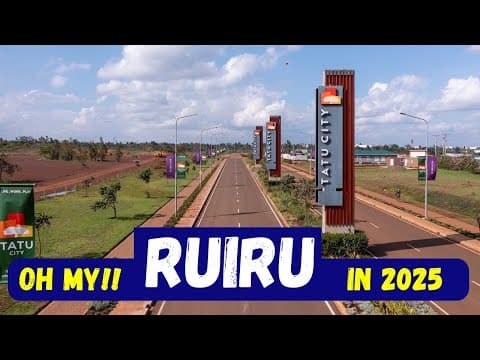
Why Ruiru is Almost Dominating Thika in 2025

Mathare Exposed! Discover Mathare-Nairobi through an immersive ground and aerial Tour- HD

Bullet Bras Evolution || Where did Bullet Bras go to?
Under the directive of President Donald Trump, both the Congolese government and the M23 rebel faction are heading back to Doha for a new round of peace negotiations. The U.S. administration is intensifying its diplomatic pressure to stabilize the war-torn eastern region of Congo and unlock its mineral wealth for Western investors.
This comes as M23 continues to dominate more territory than ever, following a series of aggressive offensives that have left thousands dead and displaced hundreds of thousands more. The goal is clear: bring the fighting to an end, secure the mineral corridor, and solidify U.S. strategic influence in Africa’s resource-rich heartland.
Last week, Congolese and Rwandan foreign ministers signed a preliminary agreement in Washington, pledging to honor a 2024 roadmap that demands Rwanda’s military withdrawal from Congolese territory within 90 days.
President Trump has personally invited Presidents Félix Tshisekedi of Congo and Paul Kagame of Rwanda to Washington to sign a more comprehensive package—dubbed the “Washington Accord.” Trump’s plan includes sweeping provisions for peace, cross-border security, and guaranteed U.S.-backed investment in mining infrastructure.
Senior White House adviser Massad Boulos confirmed that Trump aims to host the signing summit by the end of July—if the ongoing talks in Qatar clear the current obstacles.
Despite the Washington handshake, the M23 rebels remain wary. One of their lead delegates, Benjamin Mbonimpa, accused the Congolese government of dragging its feet. Mbonimpa confirmed the rebels would return to Doha but insisted that “real progress” can only happen once Kinshasa releases detained M23 fighters and restores essential services—like banking—in areas under rebel control.
Without these steps, M23 argues that the entire peace framework will remain superficial.
While Congo’s presidency confirmed its delegation will also resume talks in Qatar, it did not address the rebels’ demands publicly. This silence raises questions about Kinshasa’s true readiness to make concessions—especially under the scrutiny of both Trump’s White House and international investors eyeing Congo’s vast reserves of cobalt, copper, and lithium.
Meanwhile, Rwanda has pushed back strongly against new UN reports that claim it exerts military control over M23’s operations. Kigali says its involvement is rooted in protecting its own borders from militant groups tied to the 1994 genocide, and dismisses the report as politically motivated.
President Trump remains optimistic. His administration wants the Doha process finalized swiftly to pave the way for the high-level signing in Washington. For the U.S., the conflict’s resolution isn't just a foreign policy win—it’s a strategic move to outcompete Chinese influence in Africa’s critical minerals sector.
But the clock is ticking. If rebel demands aren't met and regional trust isn’t restored, the conflict could drag on—undermining peace efforts and derailing multibillion-dollar investment plans.





0 comments