
Your Read is on the Way
Every Story Matters
Every Story Matters
The Hydropower Boom in Africa: A Green Energy Revolution Africa is tapping into its immense hydropower potential, ushering in an era of renewable energy. With monumental projects like Ethiopia’s Grand Ethiopian Renaissance Dam (GERD) and the Inga Dams in the Democratic Republic of Congo, the continent is gearing up to address its energy demands sustainably while driving economic growth.
Northern Kenya is a region rich in resources, cultural diversity, and strategic trade potential, yet it remains underutilized in the national development agenda.

Can AI Help cure HIV AIDS in 2025

Why Ruiru is Almost Dominating Thika in 2025
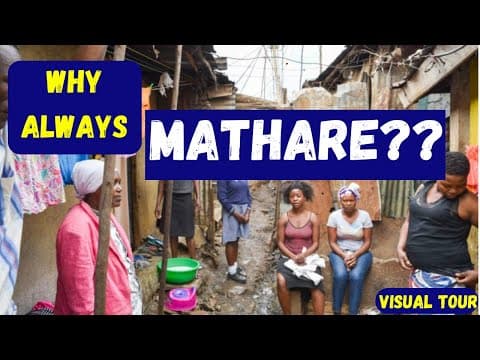
Mathare Exposed! Discover Mathare-Nairobi through an immersive ground and aerial Tour- HD

Bullet Bras Evolution || Where did Bullet Bras go to?
Julius Malema, the combative leader of South Africa’s Economic Freedom Fighters (EFF), has been thrust into the center of a global political storm after being directly implicated in a tense Oval Office meeting between U.S. President Donald Trump and South African President Cyril Ramaphosa. In a surprising and controversial move, Trump reportedly played video clips of Malema during the meeting, using them to justify claims of a so-called “white genocide” in South Africa.
The footage featured Malema chanting the infamous struggle song “Kill the Boer,” which some interpret as incitement to violence against white farmers. Trump argued that these were not isolated cases but reflected state-backed hostility and threats of violence. According to sources, Trump used these videos to demand that Ramaphosa take action and to justify suspending U.S. aid to South Africa and granting fast-tracked refugee status to white farmers.
Ramaphosa rejected these claims outright, calling them misinformed and dangerous. Malema, not one to stay silent, fired back with characteristic defiance. On social media and through public statements, he ridiculed the meeting, calling it “a gathering of old men gossiping about me.” His message was clear: he would not be intimidated or censored, and he would not apologize for his movement’s radical platform.
As if the diplomatic fallout from the Trump meeting weren’t enough, Malema also found himself embroiled in a separate controversy in the United Kingdom. The EFF leader was scheduled to speak at a high-profile engagement at Cambridge University—an invitation that was seen as a nod to his growing international notoriety. But the event never happened. The UK denied Malema a visa, effectively barring him from attending.
Malema’s camp was quick to label the visa denial a “political attack,” claiming it was a strategic move to silence dissenting voices. His allies argued that this was not an isolated incident, but part of a broader pattern by Western countries to exclude African voices who challenge colonial legacies and capitalist orthodoxy.
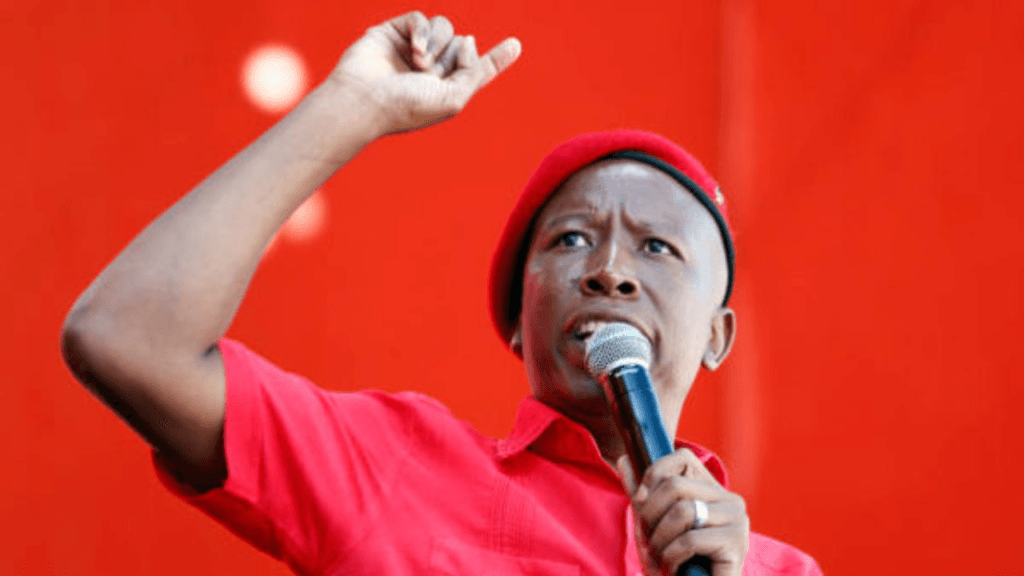
UK officials offered a more benign explanation, citing administrative delays, bank holidays, and backlog issues as the reason for the unprocessed application. Still, the damage was done. Malema capitalized on the episode, using it to rally support from his base and paint himself as a victim of global suppression efforts.
While Malema continues to spark debates abroad, his movement is also facing turbulence at home. One of the EFF’s most visible and respected members, Mbuyiseni Ndlozi, has exited both Parliament and the party. Ndlozi, a former national spokesperson and often seen as a moderating force within the EFF, resigned from Parliament in January 2025 and confirmed his departure from the party a month later.
Ndlozi’s exit is significant. He was one of the original members of the EFF, instrumental in shaping the party’s intellectual and media-facing voice. His resignation suggests internal strains and disagreements over the party’s direction and strategy. While Ndlozi has not spoken extensively about his reasons, insiders hint at disagreements with the party’s increasingly militant tone and a desire for a more policy-focused approach.
Malema, for his part, has brushed off the defection. He maintains that the EFF remains strong and that internal disagreements are a natural part of any revolutionary movement. Still, Ndlozi’s exit leaves a gap in the party’s public image and may influence future voter confidence.
At this stage, Julius Malema is no stranger to controversy. Whether it’s chanting divisive songs, leading land invasion protests, clashing with Parliament, or facing down international media, Malema has carefully cultivated an image of fearlessness and disruption. His unwavering push for land expropriation without compensation continues to spark alarm in global financial markets and diplomatic circles, while also earning him admiration among disenfranchised communities in South Africa.
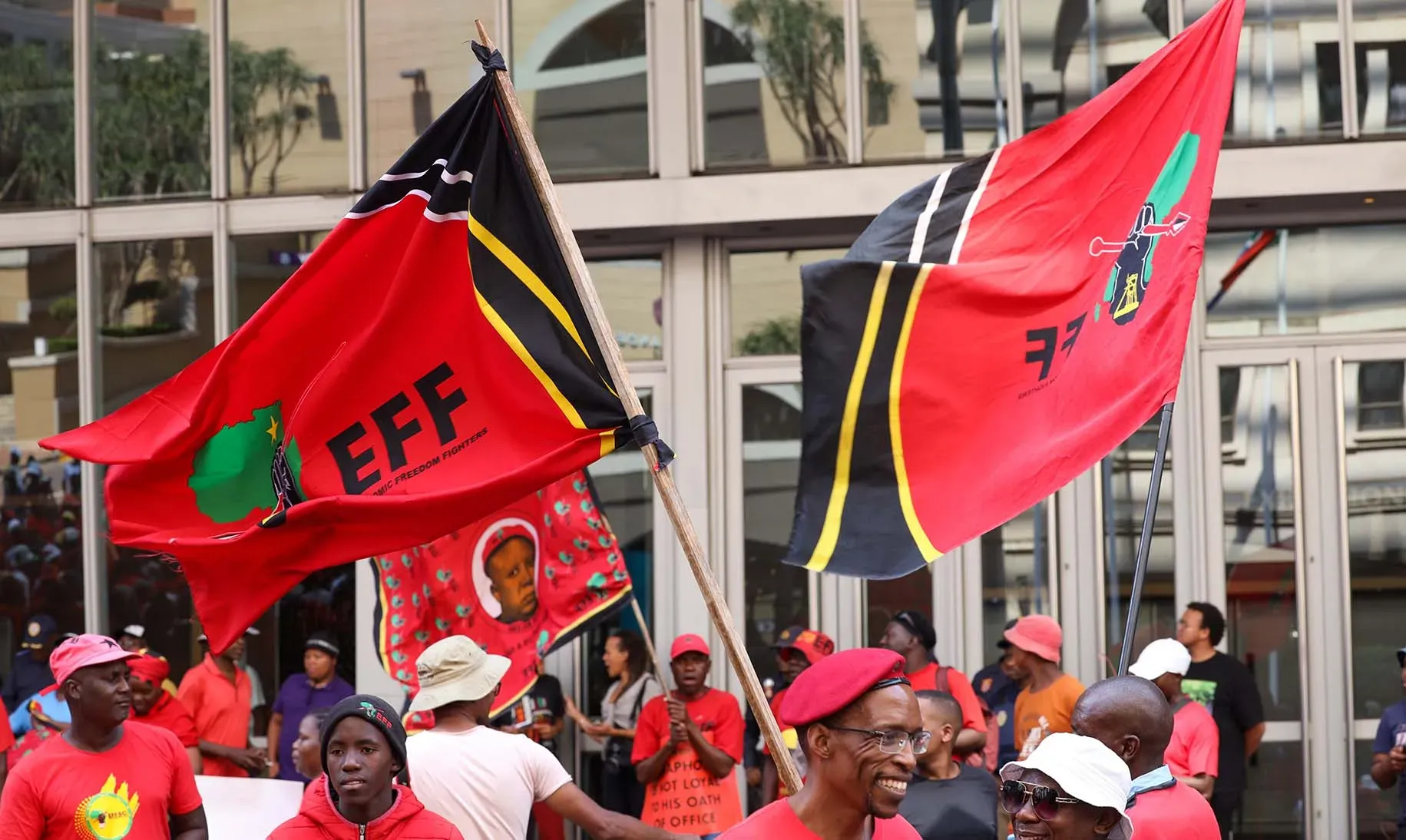
He is a symbol of resistance for some and a harbinger of chaos for others. His rhetoric is confrontational, unapologetic, and often inflammatory—but it keeps him in the headlines and ensures that he remains one of South Africa’s most talked-about political figures.
The events of May 2025 have only solidified this paradoxical status. Trump may have tried to use Malema as a cautionary tale in his attempt to pressure South Africa’s leadership, but in doing so, he elevated Malema’s global profile even further. The visa denial in the UK, meanwhile, gave Malema a new platform to discuss censorship and colonialism. And Ndlozi’s resignation at home? Malema spins it as proof that the EFF is a crucible for revolution, not a retirement home for the politically comfortable.
Looking forward, Malema’s future hinges on how well he can navigate both domestic instability and international scrutiny. The EFF remains a potent force in South African politics, and despite recent internal shakeups, it continues to pull significant support, especially from the youth and working-class voters. But with elections on the horizon and economic challenges mounting, Malema’s provocations may either galvanize a base hungry for radical change—or alienate a broader electorate seeking stability.
On the world stage, he’ll remain a contentious figure. Invitations to speak will likely be met with equal parts applause and protest. Governments will be forced to choose whether to engage with him as a legitimate political actor or marginalize him as a populist agitator.
One thing is certain: Julius Malema will not fade quietly into the background. Whether confronting Trump’s claims, challenging British immigration rules, or rebuilding his party from within, he will keep making noise. And for both his supporters and detractors, that noise is impossible to ignore.




0 comments