
Your Read is on the Way
Every Story Matters
Every Story Matters
The Hydropower Boom in Africa: A Green Energy Revolution Africa is tapping into its immense hydropower potential, ushering in an era of renewable energy. With monumental projects like Ethiopia’s Grand Ethiopian Renaissance Dam (GERD) and the Inga Dams in the Democratic Republic of Congo, the continent is gearing up to address its energy demands sustainably while driving economic growth.
Northern Kenya is a region rich in resources, cultural diversity, and strategic trade potential, yet it remains underutilized in the national development agenda.

Can AI Help cure HIV AIDS in 2025

Why Ruiru is Almost Dominating Thika in 2025

Mathare Exposed! Discover Mathare-Nairobi through an immersive ground and aerial Tour- HD

Bullet Bras Evolution || Where did Bullet Bras go to?
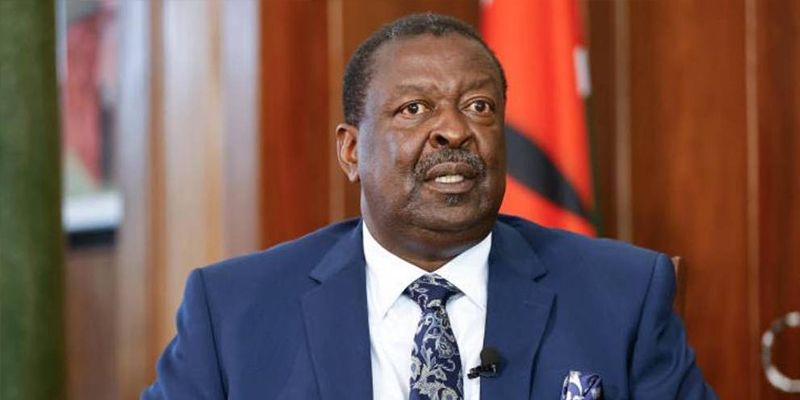
The conflict in South Sudan, which has raged for years, continues to spiral out of control, creating an unprecedented humanitarian crisis for the region. Neighboring countries, particularly Kenya, are bearing the brunt of this crisis as South Sudanese citizens flee their war-torn homeland. According to Musalia Mudavadi, around 20 refugees are crossing into Kenya daily, adding immense strain to the country’s already limited resources. This wave of refugees is a result of escalating violence, instability, and widespread suffering in South Sudan, which has left its citizens desperate for safety and security.
As more people seek refuge in Kenya, the challenges are mounting. The Kenyan government and humanitarian organizations are working tirelessly to provide aid, but the growing number of refugees is beginning to overwhelm available infrastructure. With every day that passes, the refugee camps along Kenya’s border with South Sudan are becoming increasingly overcrowded, making it more difficult to offer basic services like food, water, and medical care. The camps, which were once intended to offer temporary relief, are turning into long-term settlements for many of the displaced individuals.
The influx of refugees comes at a time when Kenya is already grappling with significant internal challenges, including high levels of poverty, unemployment, and resource shortages. The refugee crisis is further straining local economies, particularly in areas closest to the border. Local communities are being forced to share limited resources with the refugees, putting pressure on water supplies, healthcare, and education systems. This additional strain has led to growing concerns about social tensions between refugees and local populations, who may feel that their own needs are being sidelined in favor of the newcomers.
In addition to the strain on resources, the psychological impact on both refugees and local communities is significant. Refugees arriving from South Sudan often carry the trauma of war with them. Many have witnessed the deaths of loved ones, endured physical abuse, or lived in constant fear for their lives. As they settle into refugee camps, their mental health needs are often ignored or inadequately addressed. PTSD, anxiety, and depression are common among displaced individuals, and without proper psychological support, their well-being could deteriorate further.
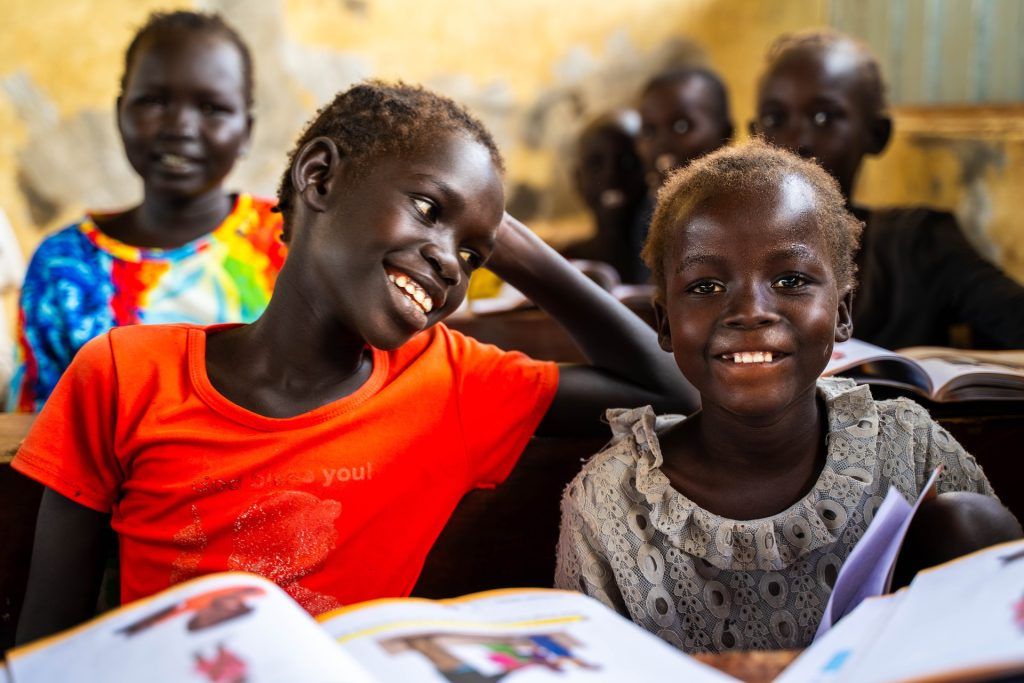
The economic toll on Kenya is also becoming more pronounced. While the country has long been a refuge for people fleeing conflict, the scale of the current crisis is unprecedented. Refugees not only place a strain on public services, but they also compete for scarce job opportunities and housing in an already overburdened job market. The Kenyan government is working with international aid organizations to address these needs, but the resources available are often not enough to keep up with the increasing demands placed on them. The situation calls for urgent global intervention to ensure that both refugees and local citizens receive the support they need.
Musalia Mudavadi has emphasized the importance of international assistance in managing this growing crisis. Kenya is doing all it can to provide humanitarian aid, but the country’s capacity is limited, and the international community must step up to provide both financial and logistical support. Aid organizations such as the United Nations, alongside non-governmental organizations, are working on the ground to help mitigate the crisis. However, with the number of refugees increasing daily, the current aid efforts need to be scaled up significantly to meet the urgent needs of those fleeing South Sudan.
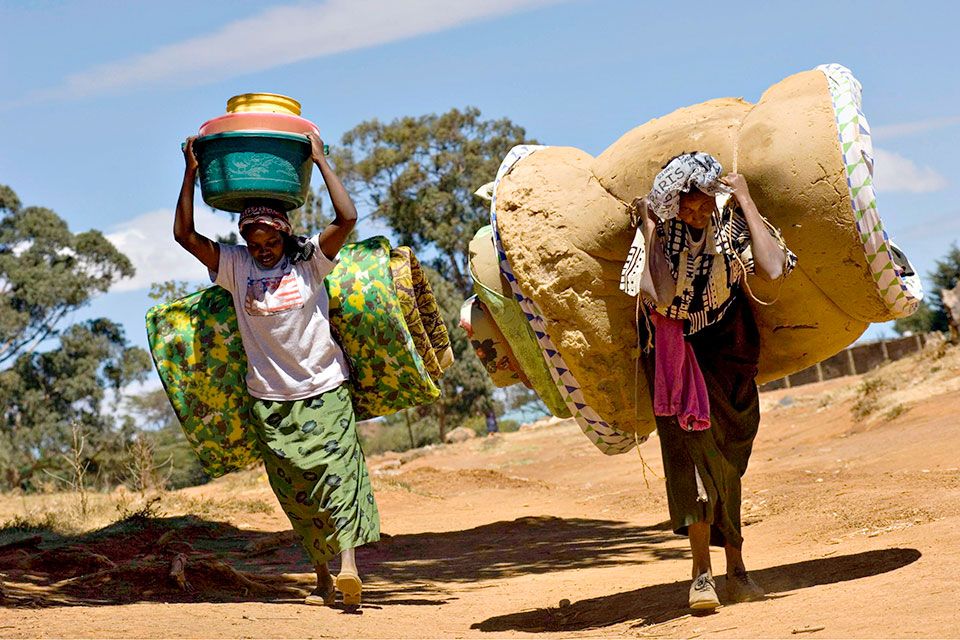
Beyond immediate relief, there is a growing recognition that long-term solutions are needed to address the root causes of the refugee crisis. The conflict in South Sudan is the primary driver of displacement, and unless there is a concerted international effort to bring peace to the country, the number of refugees arriving in Kenya will likely continue to rise. Therefore, alongside providing aid to refugees, international actors must focus on helping to resolve the conflict in South Sudan. Without a peaceful resolution, the cycle of displacement and suffering will continue to affect not just South Sudan, but the entire region.
In conclusion, Kenya is facing a complex and evolving humanitarian crisis as it grapples with the ongoing influx of refugees from South Sudan. While the country has a strong tradition of offering refuge to those in need, the scale of the current crisis is testing its limits. Immediate humanitarian assistance is crucial, but long-term solutions to both the refugee crisis and the underlying conflict in South Sudan are necessary to ensure lasting stability in the region. As the number of refugees continues to grow, the international community must step in to support Kenya and help resolve the root causes of this devastating crisis.





0 comments