
Your Read is on the Way
Every Story Matters
Every Story Matters
The Hydropower Boom in Africa: A Green Energy Revolution Africa is tapping into its immense hydropower potential, ushering in an era of renewable energy. With monumental projects like Ethiopia’s Grand Ethiopian Renaissance Dam (GERD) and the Inga Dams in the Democratic Republic of Congo, the continent is gearing up to address its energy demands sustainably while driving economic growth.
Northern Kenya is a region rich in resources, cultural diversity, and strategic trade potential, yet it remains underutilized in the national development agenda.

Can AI Help cure HIV AIDS in 2025

Why Ruiru is Almost Dominating Thika in 2025

Mathare Exposed! Discover Mathare-Nairobi through an immersive ground and aerial Tour- HD

Bullet Bras Evolution || Where did Bullet Bras go to?
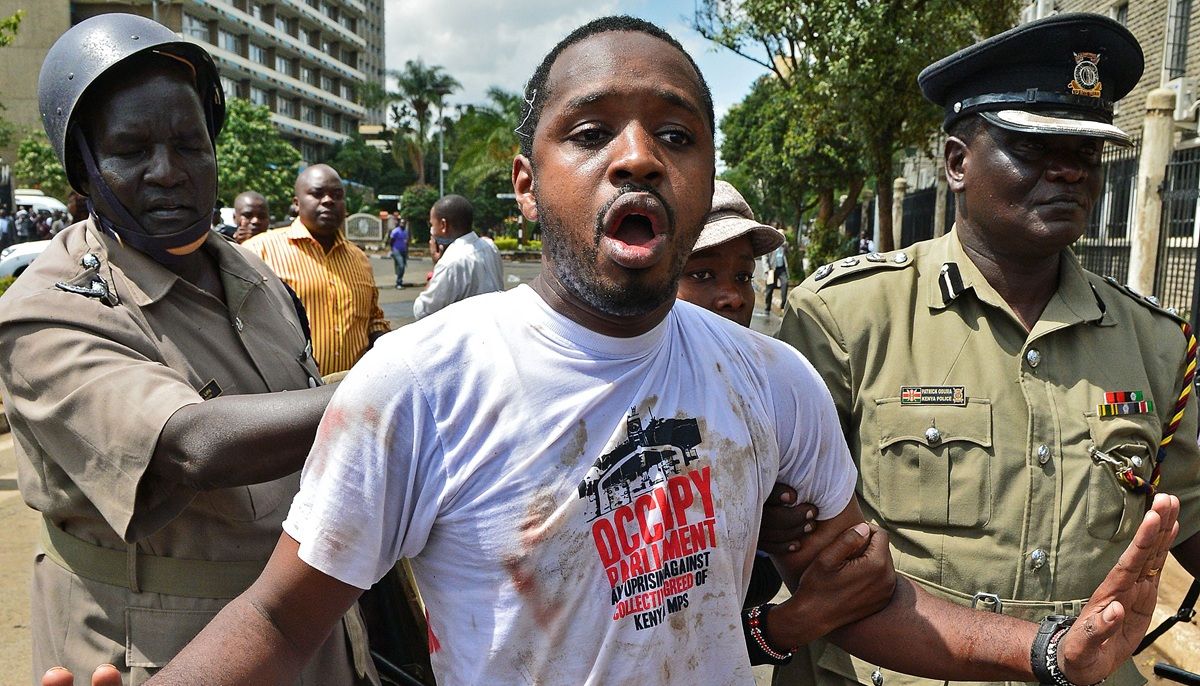
Tanzanian President Samia Suluhu Hassan has taken a resolute position regarding the increasing involvement of foreign activists in her country’s internal affairs. Her administration’s decision to detain prominent Kenyan activist Boniface Mwangi and others, including Ugandan campaigner Agather Atuhaire, signals a clear message: Tanzania will not tolerate what it deems external interference in its political processes. Speaking publicly, Suluhu emphasized the need to uphold national sovereignty and maintain order, especially during sensitive judicial proceedings such as the treason trial of opposition leader Tundu Lissu.
The president framed these detentions and deportations not as suppression of rights but as necessary steps to protect the stability of the nation. This approach reflects a broader regional trend where governments prioritize control and security over political openness, often justifying restrictions on activists and opposition figures under the guise of preventing unrest and foreign meddling.
The arrest of Mwangi in Tanzania has become emblematic of a wider, coordinated effort by East African governments to clamp down on political dissent. Activists and civil society organizations from Kenya, Tanzania, and Uganda accuse the leadership of these nations of colluding to silence opposition voices and restrict the free movement of political actors across borders. This is especially significant considering the ongoing trials of key opposition figures—Mwangi in Tanzania, Kizza Besigye in Uganda, and numerous others in Kenya—each under serious charges widely perceived as politically motivated.
The coalition of activists argues that these crackdowns undermine the fundamental democratic principles that East African nations claim to uphold and erode the region’s spirit of unity. They see this suppression as an alarming indication that governments are willing to set aside shared regional commitments in favor of maintaining their hold on power.
In response to these escalating pressures, a coalition of East African activists has emerged with renewed vigor and solidarity. This political coalition, comprising individuals and organizations across Kenya, Tanzania, and Uganda, has made it clear that attempts to suppress them will only fuel their determination. The group issued a bold ultimatum to President Suluhu, demanding the immediate release of Mwangi and other detained activists within 24 hours, threatening to escalate their protests by occupying Tanzanian diplomatic missions and mobilizing mass demonstrations.
This unity transcends national borders, illustrating how political activists increasingly view their struggles as interconnected rather than isolated incidents. They argue that political freedom and human rights are not confined by geography, and that standing together across East Africa is essential to counter authoritarian tendencies. Their message is both defiant and urgent: the fight for democracy will not be contained by fences or checkpoints.
The unfolding situation in East Africa lays bare the tension between government imperatives to maintain order and citizens’ demands for political freedom. While leaders like Suluhu stress the importance of national security and sovereignty, critics insist that these justifications mask a growing intolerance for dissent. The delicate balance between ensuring peace and respecting democratic rights remains elusive.
For many observers, the trials of opposition leaders in these countries—marked by allegations of irregularities and political interference—signal a disturbing trend where legal systems are being weaponized against political adversaries. This creates an atmosphere of fear and repression, limiting the space for legitimate political discourse. The activists’ insistence on regional solidarity is a direct response to this shrinking democratic space, seeking to reclaim it through collective pressure and heightened visibility.
With activists vowing to intensify their campaigns, including potential protests at diplomatic missions and coordinated actions across East African countries, the political climate is set for further turbulence. This mounting tension raises critical questions about the future of regional cooperation, particularly within frameworks like the East African Community, which champions free movement and democratic governance.
The unfolding confrontations reveal fractures within this ideal, as member states grapple with internal challenges that threaten the cohesion of the bloc. As governments continue to prioritize control, activists are equally determined to push back, highlighting the ongoing struggle for political space in a region with a complex history of both unity and division. How these dynamics play out will have profound consequences for democracy, human rights, and regional stability in East Africa.





0 comments